Mud Guards Explained: Why They Matter for Vehicle Protection and Safety
— Mud guards don’t just keep your car clean—they protect paint, prevent rust, and improve road safety for everyone around you.
Most drivers don't give much thought to those flaps hanging behind their wheels until something goes wrong. Maybe you notice paint chips spreading across your doors, or you're constantly cleaning mud splatters off the side of your car. Perhaps another driver flashed their lights at you after your tires kicked up debris on the highway. These seemingly minor annoyances actually point to a bigger issue that mud guards solve pretty effectively. These simple components, also called splash guards or mud flaps, do more than keep your vehicle looking clean. They're actually protecting your investment and making roads safer for everyone around you. The physics is straightforward but the impact is significant, especially if you drive in varied conditions or put serious miles on your vehicle each year.
How Tire Spray Creates Ongoing Damage
When your tires roll, they don't just push water and debris down into the road surface. The rotation creates a spray pattern that throws material upward and outward at surprising speeds. Studies on tire dynamics show that water, mud, stones, and road grit can be ejected at velocities exceeding 100 kilometers per hour from a tire rotating at highway speeds.
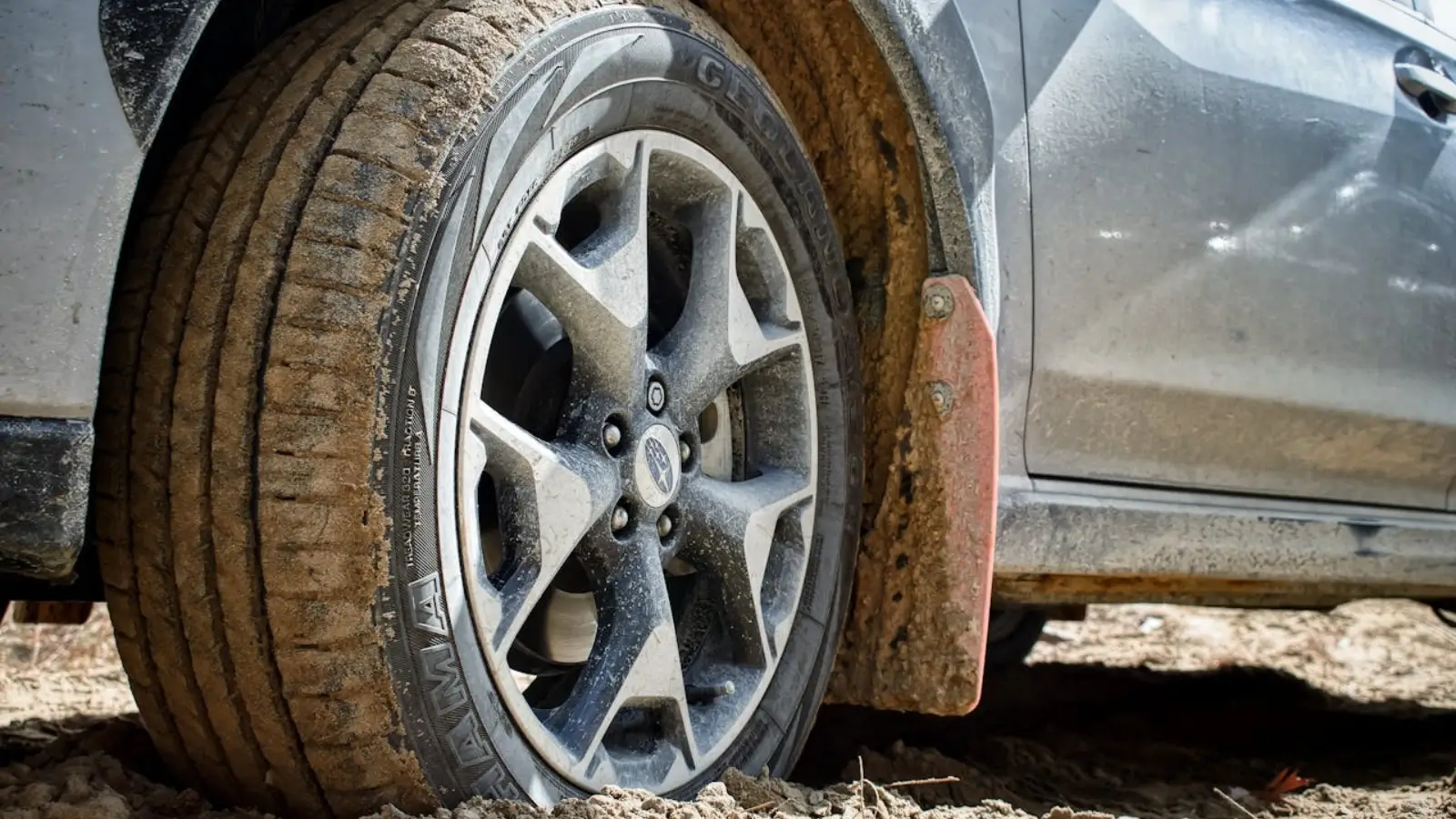
This high velocity spray constantly bombards the lower panels, wheel arches, doors, and surrounding bodywork. Each tiny particle acts like a miniature sandblaster. Over months and years, this causes paint to chip and wear through, exposing bare metal underneath. Once the protective paint layer is compromised, rust starts forming, especially in areas where moisture gets trapped.
The damage isn't limited to your own vehicle either. That spray pattern extends several meters behind and to the sides of your tires. Vehicles following you or driving alongside get pelted with whatever your tires are throwing up. On wet roads, the spray reduces visibility for other drivers. Loose gravel or stones can chip windscreens and damage paint on other vehicles. I've actually had my windscreen cracked by a rock thrown up from a truck that didn't have rear mud guards fitted.
Protection Zones and Coverage Areas
Mud guards mount behind the wheels and extend downward to intercept the spray pattern before it reaches vulnerable areas. The positioning is actually pretty critical. Guards that are too short or mounted too high don't catch enough of the spray. Guards that hang too low create ground clearance issues and can get torn off by speed bumps or rough terrain.
Most effective guards extend roughly to the bottom of the tire or slightly below when the vehicle is at normal ride height. They should be wide enough to cover the tire width plus a margin on each side. This creates a barrier that catches mud, water, and debris as it's thrown upward by tire rotation.
The material matters too. Rubber guards flex and absorb impact from rocks without cracking. Plastic guards are lighter and resist corrosion but can become brittle in cold weather. Some heavy duty applications use reinforced rubber with embedded fabric or steel mesh for extra durability.
Road Safety Implications Beyond Your Vehicle
Various jurisdictions have regulations requiring mud guards on certain vehicle types, particularly commercial trucks and trailers. In Australia, heavy vehicles must have guards fitted that meet specific standards outlined in the Australian Design Rules. These regulations exist because the safety implications go beyond cosmetic damage.
Large trucks throw up massive amounts of spray in wet conditions. Without proper guards, vehicles behind can experience severely reduced visibility. This contributes to accidents, particularly in heavy rain or on roads with standing water. The spray creates a fog effect that makes it nearly impossible to see lane markings, other vehicles, or obstacles.
Research from road safety authorities has quantified this effect. One study measuring visibility reduction behind unguarded versus guarded heavy vehicles found that proper mud guards improved following driver visibility by up to 60 percent in wet conditions. That's a significant safety margin.
Maintenance Cost Savings Over Time
Here's the financial angle people don't always connect. Quality mud guards typically cost between $50 and $200 for a complete set, depending on the vehicle and guard type. Installation is usually straightforward enough that many people do it themselves, or a mechanic might charge an hour of labor.
Compare that to the cost of fixing paint damage and rust. Repainting a single door panel professionally costs $400 to $800. If corrosion has set in and rust needs to be cut out and repaired, you're looking at significantly more. Wheel arches are particularly expensive to repair because they're structural areas that require more extensive work if rust compromises the metal.
The protection extends to mechanical components too. Mud and debris buildup in wheel wells can interfere with suspension components, brake lines, and wiring. I've seen brake calipers seize up because accumulated road salt and mud created corrosion that the owner didn't notice until the brakes started dragging. Regular cleaning helps, but mud guards reduce the amount of material that gets up there in the first place.