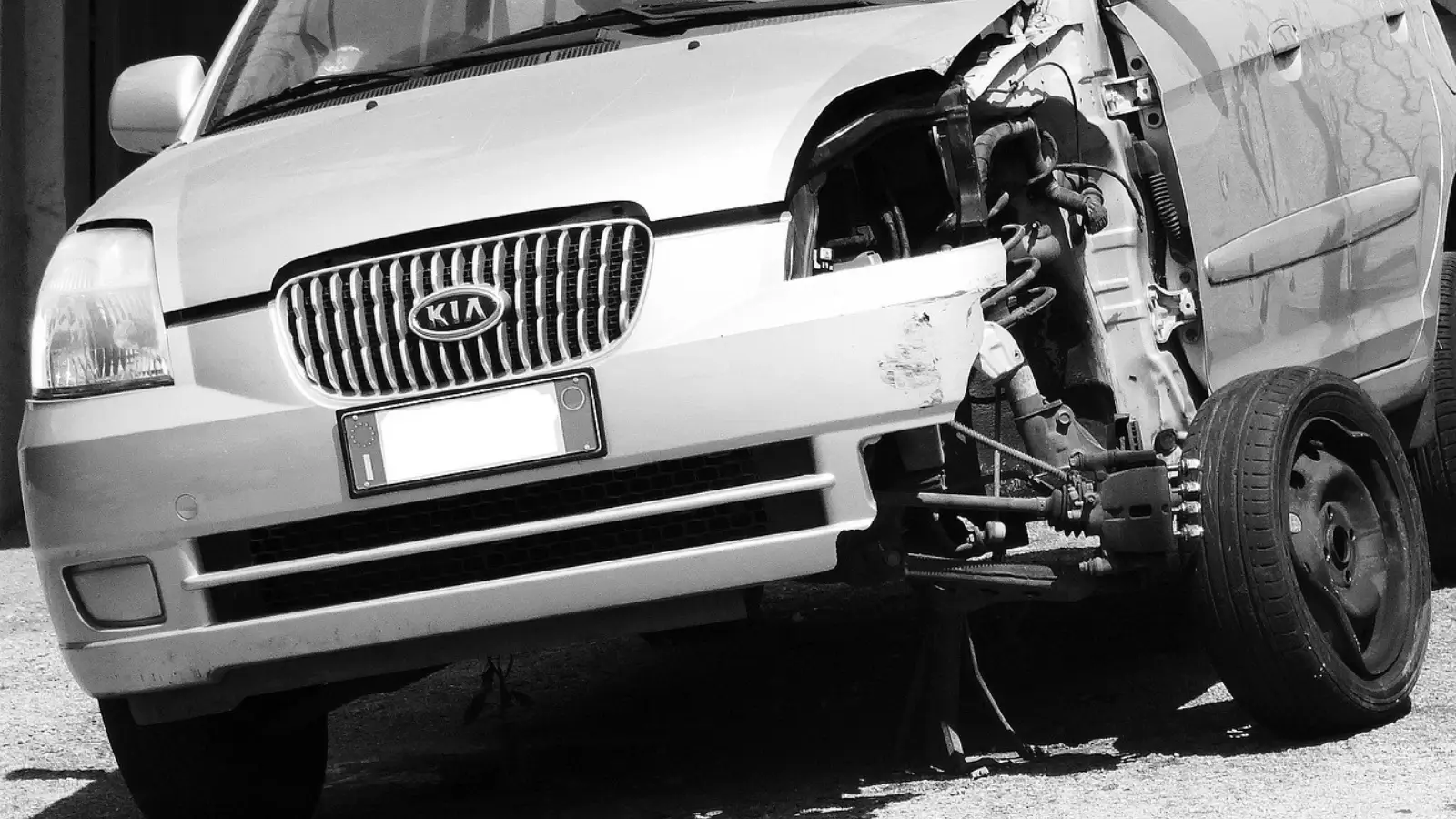
After a car accident, most people assume the insurance process will be straightforward. You report the damage, provide a few details, and wait for a settlement offer. When that offer arrives, it can feel like the finish line. But for many drivers, that number does not reflect the full extent of the damage or disruption caused by the collision.
Undervalued claims are more common than people realize. They often happen quietly, without obvious warning signs, and many drivers only realize it after repairs begin or additional issues surface. Understanding why this happens and knowing how to protect your claim can make a meaningful difference during an already stressful time.
Read on!
Why Car Accident Claims Are Often Undervalued
Claim undervaluation is rarely the result of a single mistake. In most cases, it happens because important details are missed or minimized early in the process.
Some of the most common reasons include:
1. Not all damage is immediately visible
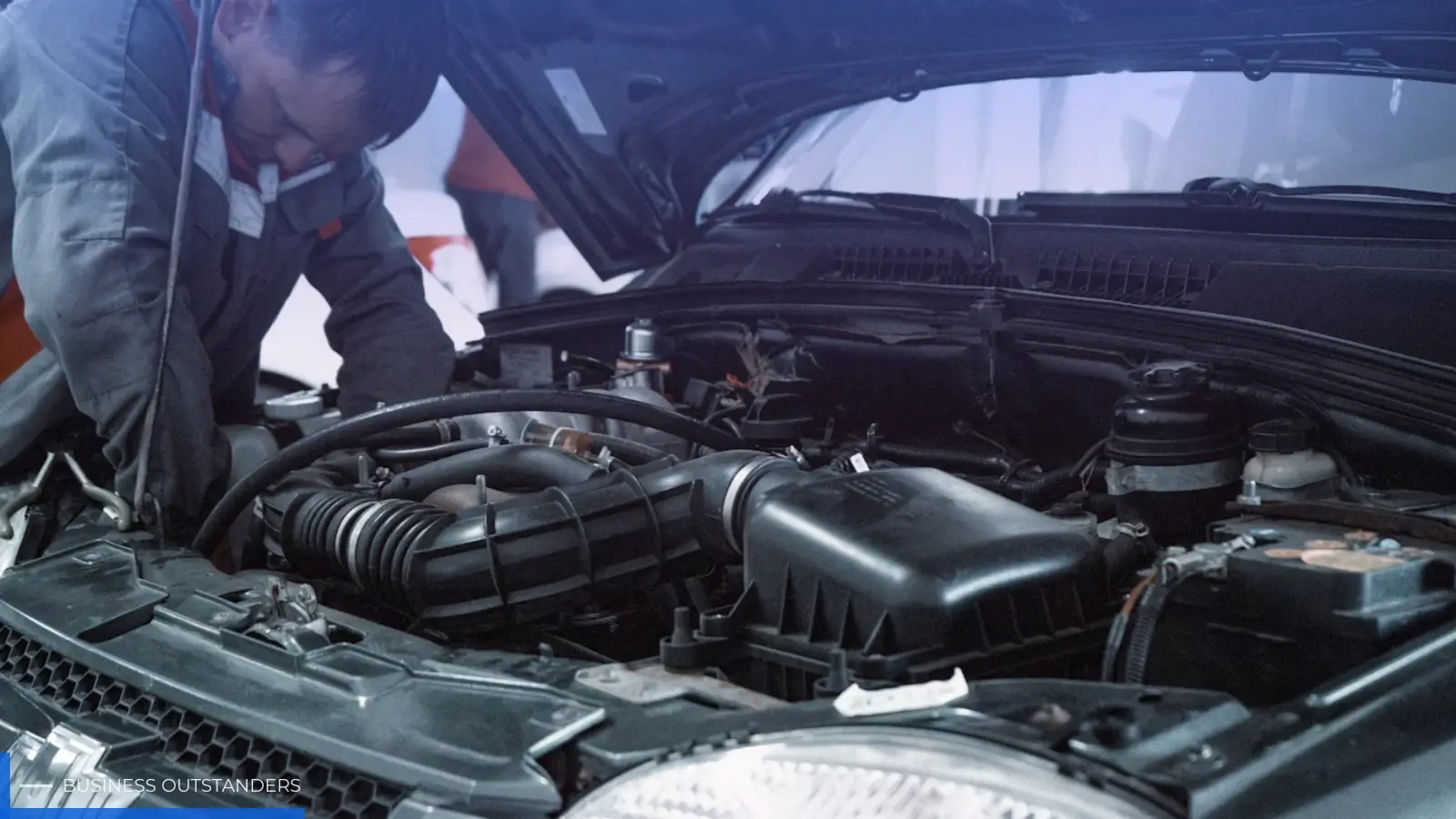
Collision damage is not always limited to what can be seen on the surface. Structural, alignment, or mechanical issues may take time to appear and are often excluded from early estimates.
2. Initial assessments are limited
Early inspections are often brief and focused on obvious damage. When deeper issues are not identified right away, they may never be fully factored into the claim.
3. Pressure to move quickly
After an accident, people often feel financial pressure to resolve the claim as soon as possible. This can lead to accepting an early offer without realizing what may be missing.
4. Gaps in documentation
Incomplete photos, vague descriptions, or missing repair details can all reduce how seriously a claim is evaluated.
These factors can add up, resulting in a settlement that does not truly reflect the cost of repairs or the impact of the accident.
How to Prevent Your Claim From Being Undervalued
Preventing undervaluation is often about slowing the process down and making informed decisions, especially once a claim is already in progress.
1. Hiring a Public Adjuster Early in the Process
One of the most effective ways to protect your compensation is to seek assistance with collision damage claims from an experienced insurance adjuster. Professionals such as Funari Public Adjusters are there specifically to work on your behalf. Their focus is on making sure your claim reflects the true scope of the damage, not just what appears in an initial estimate.
Because they understand how insurers assess claims, they know where important details can be missed or minimized. Their role is not to rush decisions, but to ensure everything is properly reviewed. By carefully reviewing the damage, preparing thorough documentation, and communicating directly with insurers, they help support a claim outcome that reflects the true cost of the collision. If your claim still feels “light” after revisions, a road accident lawyer can help you challenge what’s been missed and clarify next-step compensation pathways, including support from firms like Alexander Law Group.
2. Making Sure All Damage Is Properly Documented
Thorough documentation plays a major role in how a claim is evaluated. This includes clear photos, detailed repair estimates, and notes on any issues that develop after the initial inspection.
Hidden damage often becomes apparent only after repairs begin. Without proper documentation, it can be difficult to have those additional costs considered. Taking the time to ensure everything is recorded clearly helps protect the value of your claim and reduces the risk of surprises later.
3. Being Careful About What You Say and Share During an Active Claim
Once a claim is underway, communication matters. Casual statements in emails, recorded calls, or text messages can sometimes be taken out of context. Downplaying the severity of damage or describing the accident too lightly may unintentionally reduce how the claim is viewed.
It is also important to be mindful of social media activity. Public posts, photos, or comments can be misinterpreted and used to question the extent of damage or disruption caused by the collision. Keeping communication factual and limited to what is necessary can help protect the integrity of your claim.
4. Avoiding the Pressure to Accept the First Offer
The first settlement offer is often not the final word on your claim. While it may seem convenient to accept it quickly, doing so can limit your ability to address additional damage that may surface later. Many people feel pressure to move forward simply to put the situation behind them, especially after the stress of an accident.
Taking time to review the offer carefully can make a meaningful difference. Asking questions, requesting clarification, and making sure all documented damage has been considered helps protect the value of your claim. A measured approach allows for a more accurate outcome and reduces the chance of frustration once repairs are underway.
Closing Lines
Many car accident claims are undervalued, not because of bad intentions, but because important details are missed along the way. Understanding why this happens and taking thoughtful steps during the claims process can help protect you from settling for less than you deserve. With proper documentation, careful communication, and the right support, it is possible to navigate a collision claim with greater clarity and confidence.
Business Outstanders brings you sharp insights on tech, business, entrepreneurship, law, crypto, and more. We uncover what’s next. Stay updated, sign up for our newsletter and be part of the future!