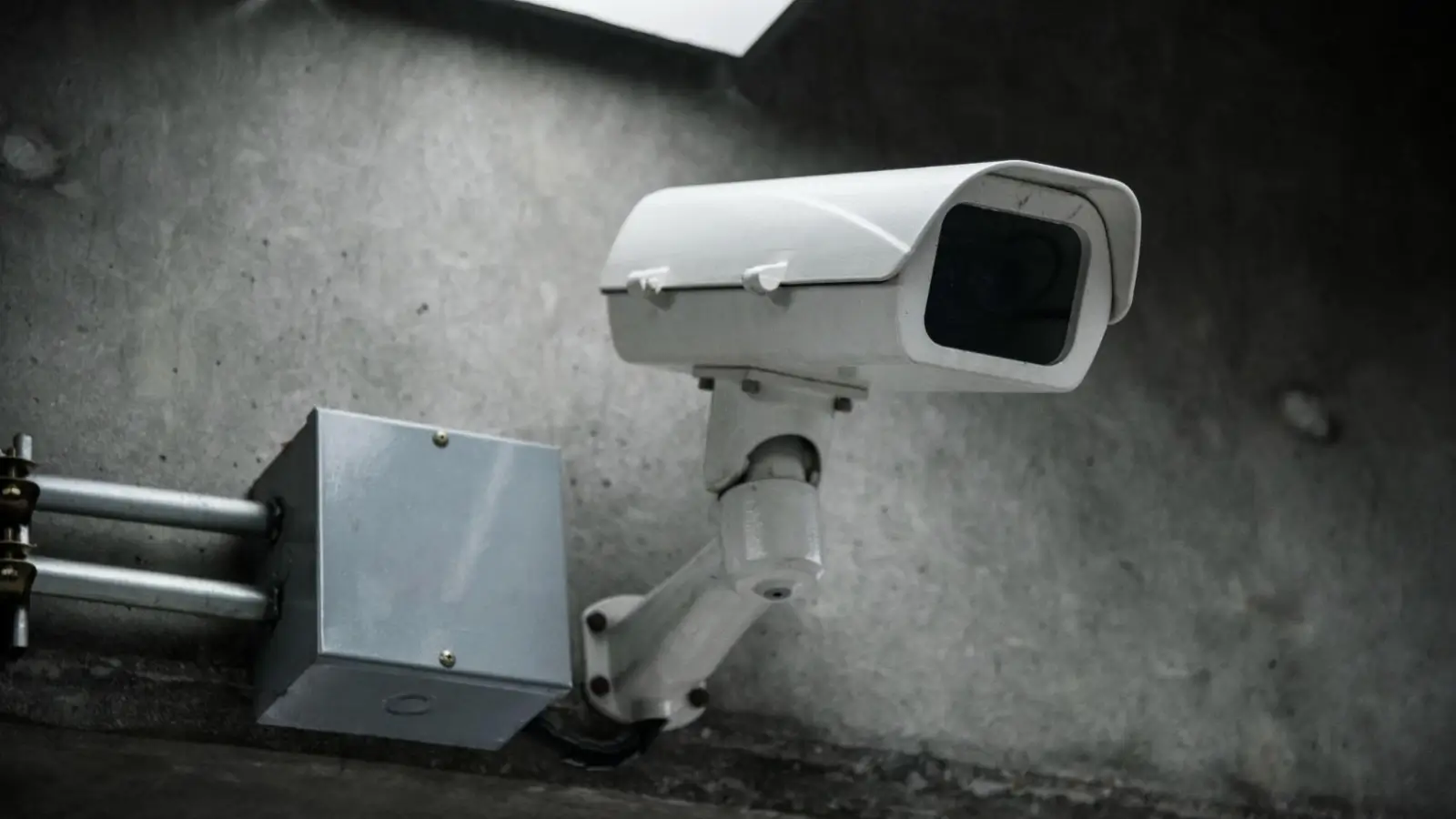
In today’s increasingly security-conscious world, small businesses are faced with a growing risk of theft and vandalism right down to negligent employee behavior and legal liability issues. While big business organizations may already have an established security solution in place, many small business owners ignore the importance of proper surveillance as you plan to protect your assets, monitor daily operations, and enjoy peace of mind in every sense. How to install CCTV for small business This in-depth guide will cover everything you need to know about installing CCTV for small businesses, from planning and equipment choice to installation, legal issues and maintenance.
Why Small Businesses Need CCTV
Install CCTV is generally a business owner’s top concern, but they often fall victim to outdated methods or reactive strategies. There are many benefits to having CCTV installed that go well beyond just collecting evidence after an incident occurs.
1. Theft and Vandalism Prevention
You can make your small business free from loss of goods and services: Small businesses are more vulnerable to thefts from external criminals or employees and a CCTV system deters them from doing so studies have shown that businesses with CCTV, have a lower incidence of theft and property damage.
2. Monitoring Employee Activity
Install CCTV allows your managers to track employee productivity, maintain good workplace standards and hold them accountable. It is especially useful in retail or service industries where customer contact between your employees has a big impact on revenue and reputation.
3. Safety and Liability Protection
Accidents can happen on any business premises. Install CCTV video can provide evidence if there was an accident at work or with customers, thus protecting the business from fraudulent insurance fraud and legal trouble.
4. Remote Monitoring
Modern Install CCTV cameras will generally have a remote access capability which allows customers or users to view their footage from their own home/workplace, so it really does make a difference to how you can monitor your business when you aren't there.
Planning Your CCTV System
You also need to plan out every aspect of what you are going to buy or even install (a poorly planned CCTV system could be very expensive and ineffective).
1. Assess Your Security Needs
It 's best to determine what areas of the business need to be monitored. These could be key areas (entrance/exit areas, cash registers, storage areas, parking lots etc), as well as important areas (server rooms, for example) based on your business type, location and the risks you face.
2. Define Your Objectives
Think about whether you want primarily your Install CCTV to be used for deterrence, collecting evidence or operational surveillance. These will determine the type of cameras, resolution, storage and add on features that you will want.
3. Budget Considerations
Cost depends tremendously on the technology used, number of cameras, and extra features. Start with a figured out budget and work from there. Note too that generally it 's cheaper to invest in a good quality system first rather than face the consequences of theft or property damage later.
5. HD vs. Standard Definition Cameras
High definition cameras have clearer images and better detail, which can be very useful for identifying people / license plates. Though it costs more, HD cameras have better detail which can be invaluable.
Storage and Recording Considerations
Well - chosen storage solution will make sure your CCTV footage is accessible at all times.
1 Digital Video Recorders (DVRs)
DVR 's convert analog signals to digital and store it on hard drives. They are fairly reliable, but limited in the number of cameras they can support.
2. Network Video Recorders NVRs
NVRs are designed for IP cameras and usually come with higher resolution recording / easier scaling. They can also come with more advanced features like motion detection and remote access.
3. Cloud Storage
Some businesses also use cloud based storage where the video can be stored off site and accessed from anywhere in the world. It provides a lot of convenience and security but may require subscription fees.
4. Storage Duration
Decide how long you want to store the footage. Most businesses keep video for 30 - 90 days based on what is legally required and what is in your internal policies.
Installation Steps
CCTV installation needs to be planned properly to get the best coverage & performance.
1. Camera Placement
Cameras should be placed in key areas - entrance, exit, cash register area, storage room and outside spaces such as parking lots Remember, bathrooms are not ideal places for cameras.
2. Mounting Cameras
Secure cameras at a height that prevents tampering yet provides clear images. If you 're going to be using cameras outdoors then make sure they 're weatherproof and protected from the elements.
3. Wiring and Connectivity
For wired system run cables cleanly and avoid hazards and interference in signals. Also ensure good Wi - Fi coverage all over the place for wireless cameras.
4. Testing and Adjustment
Once they 're all setup make sure each camera covers what you 're looking-glasses for and adjust the angles and focus and settings to get the best video.
5. Integration with Other Security Systems
Just one quick way to give your security a boost is to tie Install CCTV into alarms, access control, etc. You can automate things like respond to fire, burglary, etc.
Conclusion
Installing a CCTV system is one of the most important steps for a small business to take if they have hopes of protecting their assets, employees and customers. From evicting crime to monitoring activities on a daily basis and maintaining proper legal compliance, Install CCTV offers many benefits. To overcome these obstacles, a small business needs to take time out to assess its security requirements, choose the right cameras, consider ways of organizing storage, and comply with best practices regarding legal, maintenance and security. Investing in a good CCTV system not only offers security. It also offers a sense of peace of mind, professional management, and creating a safe environment for everyone who enters your business.
Business Outstanders brings you sharp insights on tech, business, entrepreneurship, law, crypto, and more. We uncover what’s next. Stay updated, sign up for our newsletter and be part of the future!