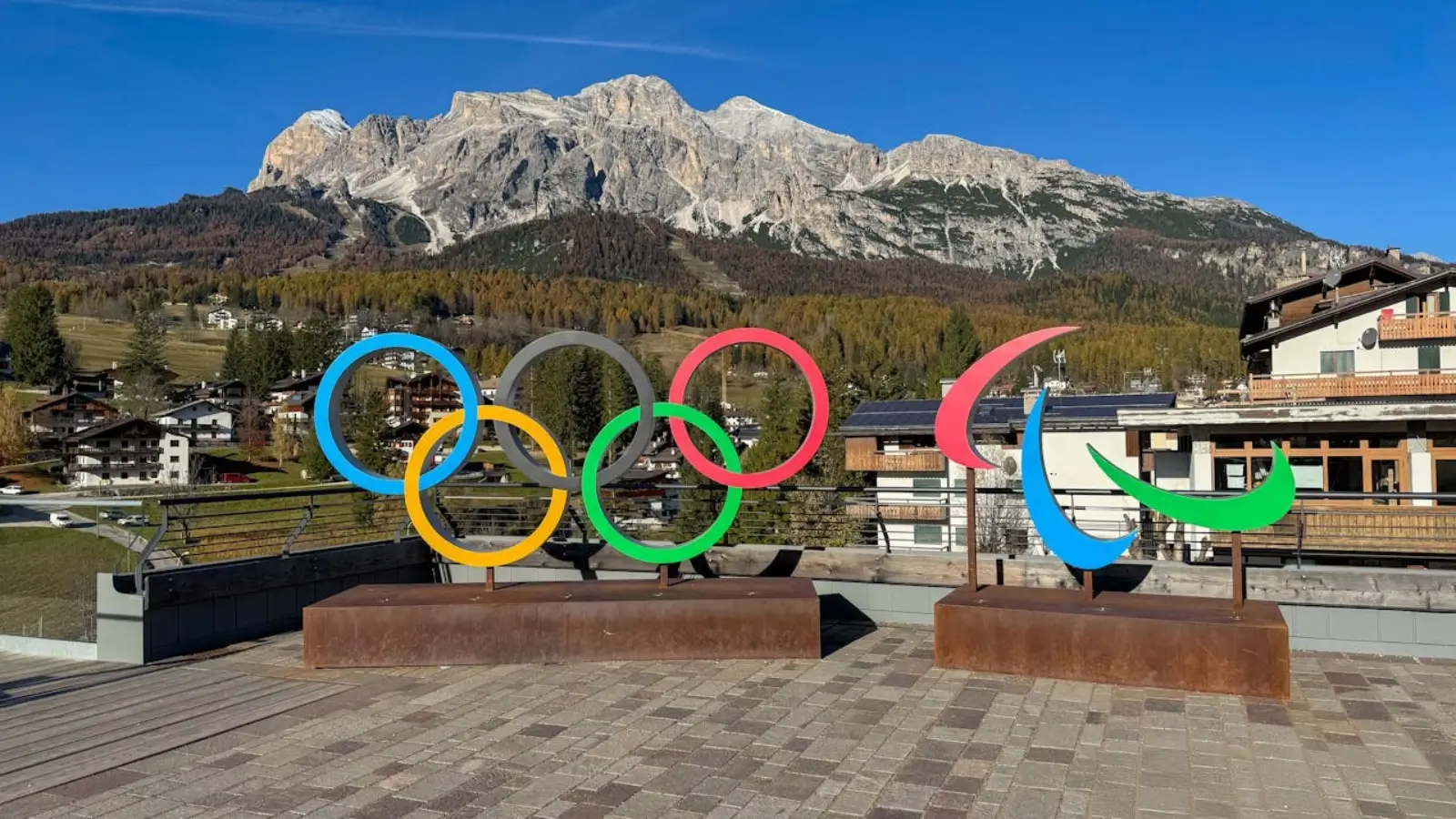
The 2026 Winter Olympics, officially known as the Milan–Cortina 2026 Olympic Winter Games, are set to be one of the most memorable editions in the modern history of the Winter Games. Hosted jointly by Milan and Cortina d’Ampezzo in northern Italy, this event will bring together elite athletes from around the world to compete across multiple snow and ice disciplines from February 6 to February 22, 2026, with some competitions starting as early as February 4.
These Games mark Italy’s fourth time hosting the Olympics, previously hosting Winter Games in 1956 (Cortina d’Ampezzo) and 2006 (Turin), as well as the Summer Games in Rome in 1960.
A Unique, Distributed Winter Olympics
Unlike traditional Winter Olympics centered around a single city, Milan–Cortina 2026 embraces a multi‑location concept that spans several clusters across northern Italy. In addition to Milan and Cortina d’Ampezzo, competitions and events will take place in:
- Valtellina (Bormio and Livigno)
- Val di Fiemme (Predazzo and Tesero)
- Anterselva (Antholz) for biathlon events
This layout reflects both Italy’s geographic diversity and its ambition to showcase sporting venues set against dramatic Alpine scenery.
Opening and Closing Ceremonies
The Opening Ceremony is scheduled for February 6, 2026, at San Siro Stadium in Milan, a venue famous for its iconic football history. The theme of the ceremony, “Armonia” (Harmony), symbolizes unity, diversity, and the coming together of cultures and nations in the spirit of peaceful competition. It will feature artistic performances that celebrate Italian culture alongside global artistic talents.
The Closing Ceremony will take place on February 22, 2026, at the historic Verona Arena, a first for the Winter Games. This ancient Roman amphitheater will provide a dramatic backdrop for concluding festivities, athlete parades, and the ceremonial handover to the next Winter Olympics host.
Sports, Disciplines, and Highlights
Milan–Cortina 2026 will feature 16 winter sports disciplines encompassing over 110 gold medal events, highlighting both traditional Olympic favorites and emerging competitions. Alpine skiing, figure skating, curling, ice hockey, biathlon, skeleton, and speed skating are among the central attractions that will captivate global audiences.
Alpine Skiing and Other Highlights
Alpine skiing events will be held at the Stelvio Ski Centre and the Tofane Alpine Ski Centre, with competition scheduled throughout the Games and representing one of the most watched disciplines.
At the Forum di Milano, figure skating will draw global attention with performances by top competitors from around the world.
Meanwhile, curling events will take place in Cortina d’Ampezzo, with men’s, women’s, and mixed doubles competitions running from early February through the closing ceremony.
Participation, Diversity, and Historical Moments
The 2026 Winter Olympics will feature around 3,500 athletes from over 90 countries, making it one of the most diverse Winter Games in history.
Historic firsts include Saudi Arabia’s confirmed participation with alpine and cross‑country skiers, showcasing the expanding global reach of winter sport.
In another exciting development, the United Arab Emirates (UAE) is set to compete in the Winter Olympics for the first time, sending athletes to Italy to participate in alpine competitions.
Organizational Challenges and Preparations
In the weeks leading up to the Games, organizers have ramped up security measures and operational planning. Italy has established a 24/7 International Olympic Operations Room (SOIO) to coordinate security efforts with national and international partners, reflecting the massive scale and complexity of hosting a modern Olympics expected to draw around two million visitors.
However, just days before the opening ceremony, some venues remain under construction, prompting concerns about logistics, infrastructure readiness, and last‑minute preparations.
Additionally, broader challenges like climate change are influencing Olympic planning, with discussions underway about potentially shifting future Winter Games—possibly even this one—to earlier dates to ensure snow reliability and athlete safety.
Cultural and Local Impact
Beyond sports competition, Milan–Cortina 2026 highlights Italy’s rich cultural heritage. From Milan’s world‑renowned fashion and design scene to Cortina d’Ampezzo’s Alpine traditions and cuisine, the Games blend athletic excellence with local flavor. Regional dishes, such as the beet‑filled ravioli casunziei all’Ampezzana, are already gaining international attention as part of the cultural tapestry surrounding the Games.
Why the 2026 Winter Olympics Matter
The Milan–Cortina 2026 Winter Olympics represent more than a sporting event; they embody international collaboration, cultural exchange, and human achievement. With unprecedented participation, innovative technological enhancements for viewing and broadcasting, and a compelling mix of tradition and modern ceremony, these Games will set a new standard for global winter sport events.
Whether you’re watching elite athletes compete for medals, exploring Italy’s historic cities, or tuning in from home with advanced digital features, the 2026 Winter Olympics promise a festival of sport and culture that resonates far beyond the slopes and ice arenas.
Frequently Asked Questions (FAQ)
When and where are the 2026 Winter Olympics taking place?
The Games are scheduled from February 6 to February 22, 2026, with events spread across northern Italy, primarily in Milan and Cortina d’Ampezzo.
What is unique about the Milan–Cortina Olympics?
These Olympics are uniquely distributed across multiple regions and venues, making them the most geographically spread‑out Winter Games ever held.
Will new sports debut at the 2026 Winter Olympics?
Yes. Events like ski mountaineering and new formats in traditional competitions will expand the Olympic program.
Business Outstanders brings you sharp insights on tech, business, entrepreneurship, law, crypto, and more. We uncover what’s next. Stay updated, sign up for our newsletter and be part of the future!