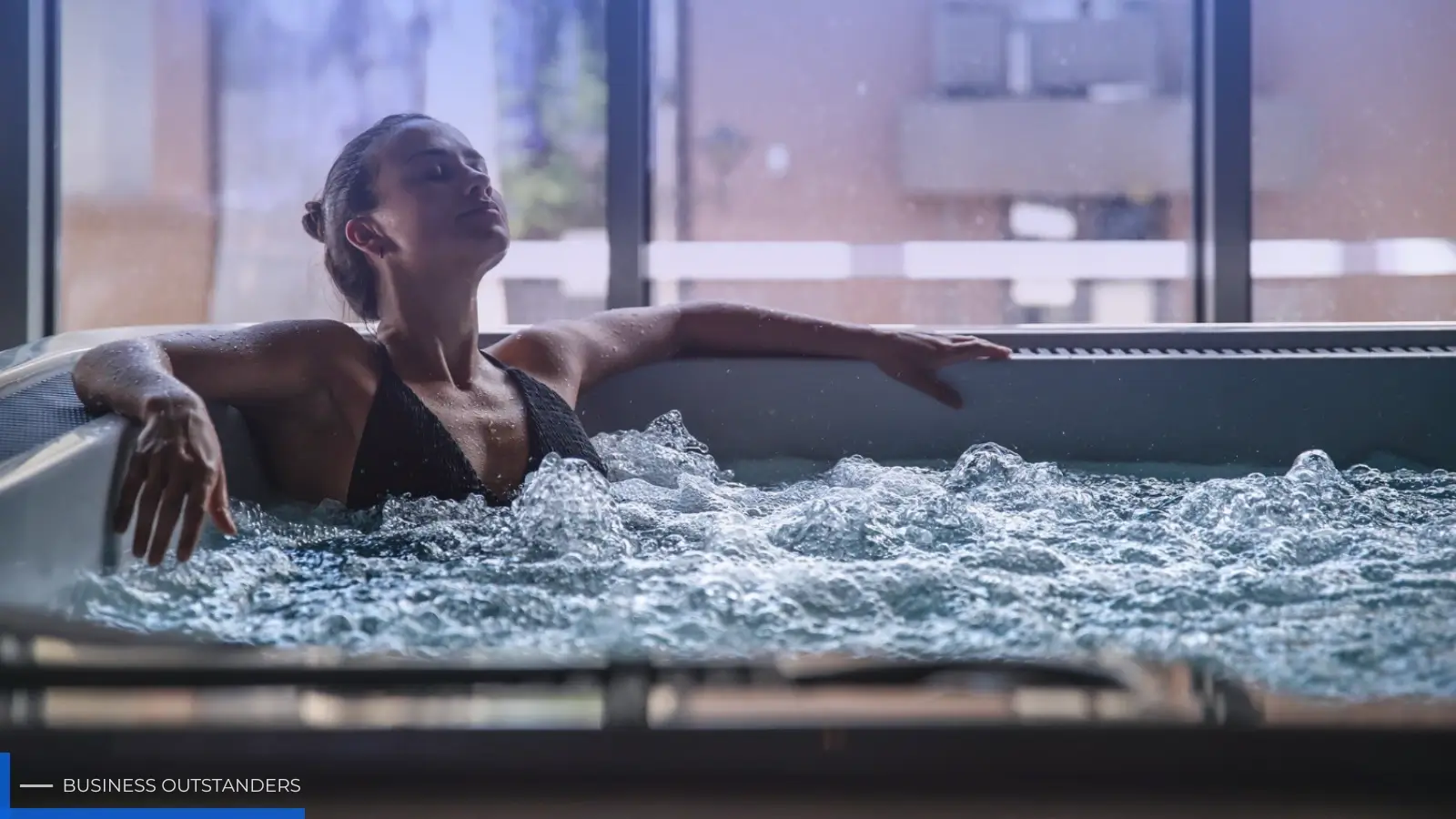
Ice baths built from stock tanks and bags of ice have served athletes for decades - but they have always been a workaround, not a solution. When you decide to buy pro cold plunge pod instead of cobbling together a DIY setup, you are trading guesswork for precision. A properly engineered cold plunge pod delivers a controlled, repeatable cold stimulus every single session - the consistency that turns cold water immersion from an occasional recovery tactic into a genuine performance tool.
The DIY ice bath has an appeal that is easy to understand. It is accessible, inexpensive to start, and does produce some cold stimulus. However, its core limitation is one that cannot be engineered around: water temperature is uncontrolled. The ice melts, the water warms, and the cold stimulus degrades over the course of a session. For one or two sessions a week, this may be acceptable. For athletes who cold plunge three to five times a week as part of a structured recovery protocol, the inconsistency compounds into a significant problem.
The Physiology Behind Cold Water Immersion
Cold water immersion triggers a rapid and powerful physiological response. When your body contacts cold water, peripheral blood vessels constrict immediately, redirecting blood flow away from the skin and extremities toward the core and vital organs. This vasoconstriction effect - combined with the activation of the vagus nerve - initiates a cascade that many athletes describe as a full reset of the nervous system. Heart rate slows, mental clarity sharpens, and a sense of controlled alertness often follows within minutes of immersion.
The anti-inflammatory effects of regular cold immersion are well-documented in exercise science research. By reducing the inflammatory signaling that follows intense training, cold water immersion may support faster recovery between sessions, reduced muscle soreness in the days following heavy training, and improved readiness for subsequent workouts. These effects are dose-dependent - meaning the temperature, duration, and frequency of immersion sessions directly affects how meaningful the outcomes are. Precise temperature control is therefore not a luxury in cold therapy; it is the mechanism that makes the protocol work.
What a DIY Setup Cannot Deliver
A stock tank filled with ice and cold water starts its session at a temperature you cannot predict reliably and ends it warmer than it began. If you are targeting 52 degrees Fahrenheit for your session, you might hit that temperature in the first two minutes and be sitting in 60-degree water by the time you finish. That temperature drift changes the physiological stimulus meaningfully - and over weeks of sessions, the inconsistency makes it difficult to establish any progressive cold tolerance or measure whether your protocol is actually producing the adaptation you are after.
Sanitation is the other critical issue with DIY setups. Water at 50 to 60 degrees Fahrenheit, refreshed with ice and used frequently, creates conditions where bacterial growth can accelerate if the water is not filtered and treated. Stock tanks were not designed as human immersion vessels with any sanitation standard in mind. A pro-grade cold plunge pod includes built-in filtration, UV or ozone sanitation systems, and water chemistry management designed to keep immersion water clean across hundreds of sessions without requiring constant manual intervention.
What Pro-Grade Engineering Actually Means
A pro cold plunge pod built for serious performance use is engineered around three core requirements: precise temperature control, consistent water quality, and structural durability for daily use. The chilling system in a quality pod maintains water temperature within a tight operational range - typically plus or minus one to two degrees of your target setting - from the first minute of immersion to the last. This precision transforms every session into a repeatable, comparable stimulus rather than a variable experience that shifts based on ambient temperature and ice availability.
Structural build quality in a pro-grade pod means the unit is designed to withstand daily ingress and egress from a fully clothed or unclothed adult without degrading seals, cracking tub surfaces, or losing insulation efficiency over time. Interior surfaces in quality pods are non-porous and resistant to the biological and chemical factors involved in regular cold water use. The unit you invest in should look and perform at the same standard two years and 500 sessions in as it does on day one.
Temperature Targeting and the Performance Window
The most commonly cited temperature range for performance recovery cold immersion is between 50 and 59 degrees Fahrenheit. Research in sports science consistently shows meaningful vasoconstriction, nervous system activation, and anti-inflammatory effects within this range. Some advanced practitioners work in the mid to low 40s for shorter durations, while beginners often find 55 to 60 degrees more manageable as an entry point for building cold tolerance.
What matters most is not hitting a specific number but holding that number consistently throughout the session and across multiple sessions over time. A pro-grade chilling system makes this possible. An ice bath cannot. This is the practical performance argument for upgrading - not that cold is cold, but that controlled cold at a repeatable temperature produces repeatable physiological outcomes that allow you to train your nervous system response progressively rather than simply enduring each session as a standalone stress event.
Cold Exposure and Nervous System Resilience
One of the most significant long-term benefits of regular cold plunge practice is what it does for stress resilience outside the water. Cold exposure at a controlled temperature activates the sympathetic nervous system rapidly and trains the body to regulate that activation - to slow the breath, lower the heart rate voluntarily, and regain composure under genuine physical stress. This capacity for deliberate nervous system regulation transfers directly to high-pressure performance environments.
Athletes who cold plunge consistently report improvements in their ability to manage pre-competition anxiety, maintain composure during high-stakes moments in training and competition, and recover more quickly - both physiologically and psychologically - from setbacks during performance. These outcomes are not incidental. They are the result of regularly placing the nervous system under a controlled, manageable stress and practicing deliberate regulation within it. A pro-grade pod makes that training consistent and progressive.
Building Cold Plunge Into Your Recovery Stack
Cold plunge works well as a standalone recovery tool and works even better as part of a contrast therapy protocol alternating with infrared sauna heat. For post-training use, immersing within 30 to 90 minutes of finishing a session targets the window when inflammatory signaling is most active. For nervous system recovery and sleep optimization, early evening cold plunge sessions are often reported as producing the most significant improvement in sleep quality and overnight recovery metrics.
Start with 2 to 3 minute immersion sessions at a manageable target temperature and build duration progressively over the first four to six weeks. Cold shock breathing - the involuntary gasping response at immersion - normalizes quickly with consistent practice, typically within the first two to three sessions. Once that initial response is managed, the real work of cold exposure training begins, and the benefits accumulate consistently with each subsequent session.
For athletes serious about upgrading their cold therapy from a DIY workaround to a genuine performance tool, Dialed Labs offers pro-grade cold plunge pods engineered for precise temperature control, built-in sanitation, and the structural durability that serious daily use demands - a long-term investment in the recovery consistency that high performance requires.
Frequently Asked Questions
What temperature should I target in a cold plunge pod for athletic recovery?
Most athletes target between 50 and 59 degrees Fahrenheit for performance recovery cold immersion. This range consistently produces vasoconstriction, nervous system activation, and the anti-inflammatory effects most associated with cold therapy outcomes. Beginners often find 55 to 58 degrees a manageable starting point while building tolerance before progressing to colder settings.
How long should each cold plunge session last?
Starting with 2 to 3 minute immersion sessions is appropriate for most beginners and allows the nervous system to adapt progressively without excessive stress. Experienced practitioners often work up to 5 to 10 minute sessions depending on water temperature and their specific recovery goals. Duration and temperature interact - shorter sessions at colder temperatures can deliver comparable stimulus to longer sessions at slightly warmer settings.
How does a cold plunge pod maintain water temperature without ice?
Pro-grade cold plunge pods use active refrigeration systems - similar in principle to the compressor in a household refrigerator - to chill water continuously to a set target temperature. The chilling unit draws heat out of the water and maintains the set temperature regardless of ambient conditions or session duration. This active system eliminates the temperature drift that makes ice-based DIY setups unreliable for performance-focused cold therapy.
How often should I cold plunge for measurable recovery results?
Most athletes see meaningful recovery benefits with cold plunge sessions three to five times per week on a consistent basis. Daily use is common among serious practitioners and is generally safe for healthy adults. The physiological adaptations from cold exposure - including improved nervous system resilience and reduced inflammatory response - compound with frequency and consistency over weeks and months of regular practice.
Is cold plunge safe immediately after strength training?
Cold immersion immediately after strength training is widely practiced for soreness reduction, though some research suggests it may attenuate muscle protein synthesis when used within the first 30 to 60 minutes post-training. Athletes focused primarily on performance recovery and soreness reduction often find the immediate post-training window effective. Those prioritizing muscle hypertrophy may consider waiting several hours before cold immersion to avoid potentially blunting the training adaptation signal.
Business Outstanders brings you sharp insights on tech, business, entrepreneurship, law, crypto, and more. We uncover what’s next. Stay updated, sign up for our newsletter and be part of the future!