Global property development companies operate in multiple countries at once, juggling different markets, regulations, and economic conditions while maintaining consistent profitability. These organizations don't just replicate the same building in different cities. They adapt designs, financing structures, and timelines to match local conditions while spreading risk across diverse portfolios. The successful ones have developed systems for entering new markets, managing political uncertainty, and scaling operations without losing quality control. Their strategies reveal how modern development works at the international level.
How They Assess and Enter New Markets
Before breaking ground anywhere, these companies spend months analyzing market conditions. They look at population growth trends, GDP projections, existing supply versus demand, and regulatory environments. But the data only tells part of the story. They also send teams to live in target cities for weeks, studying traffic patterns, retail behavior, and neighborhood dynamics that don't show up in reports.
When Lendlease decided to enter Milan, they didn't just study Italian construction costs. They mapped out which neighborhoods young professionals preferred, where public transport was headed in the next decade, and how local planning departments actually operated versus what was written in official procedures. That ground-level research influenced everything from site selection to building heights.
Political stability matters more than people realize. A country might have strong economic indicators, but if property rights aren't reliably enforced or governments change regulations unpredictably, the risk becomes unmanageable. Companies often use political risk insurance for developments in markets with unstable governments, which adds to costs but protects against total losses.
Design Adaptation for Different Climate and Culture
You can't build the same way in Stockholm and Singapore. Global companies maintain design teams that specialize in adapting core concepts to local conditions. This goes beyond just adding air conditioning in hot climates. Foundation depths change based on soil composition and seismic activity. Window sizes and orientations shift based on sun angles and prevailing winds.
In the Middle East, buildings need much thicker insulation and window treatments to handle extreme heat. HVAC systems require different capacities and configurations. Even the construction schedule changes because outdoor work becomes dangerous during summer months when temperatures hit 45°C. Projects might pause for three months every year just due to heat.
Cultural factors influence design too. Residential buildings in many Asian markets include feng shui considerations in unit layouts. European buyers expect different kitchen configurations than American buyers. In some markets, balconies are essential selling points. In others, they're rarely used and represent wasted square footage.
Portfolio Diversification to Manage Economic Cycles
Smart global companies spread their projects across different property types and economic cycles. When office space demand drops in one region, residential might be booming in another. If retail struggles globally, industrial and logistics properties might compensate.
Look at how Brookfield Asset Management operates. They develop office towers in New York, shopping centers in Brazil, residential complexes in London, and industrial parks in Australia simultaneously. When the retail sector crashed during COVID, their residential and logistics properties kept the overall portfolio stable. This diversification requires enormous capital and management capacity, but it smooths out the boom-bust cycles that destroy smaller developers.
Geographic diversification also hedges against local economic downturns. A recession in Europe doesn't necessarily affect projects in Asia or South America. Currency diversification plays into this too. If a company holds assets in ten different currencies, exchange rate fluctuations in any single currency have limited impact.
Managing Construction and Operational Complexity
Coordinating construction across multiple countries means dealing with vastly different labor markets, material costs, and contractor reliability. Global companies establish relationships with international construction firms that can work to consistent standards regardless of location. They also maintain their own quality control teams that travel between sites conducting inspections.
Technology helps manage this complexity. Most large developers now use Building Information Modeling (BIM) that creates digital twins of projects before construction starts. These models get updated in real time as work progresses, allowing managers in London to monitor progress in Sydney or Dubai without constant travel.
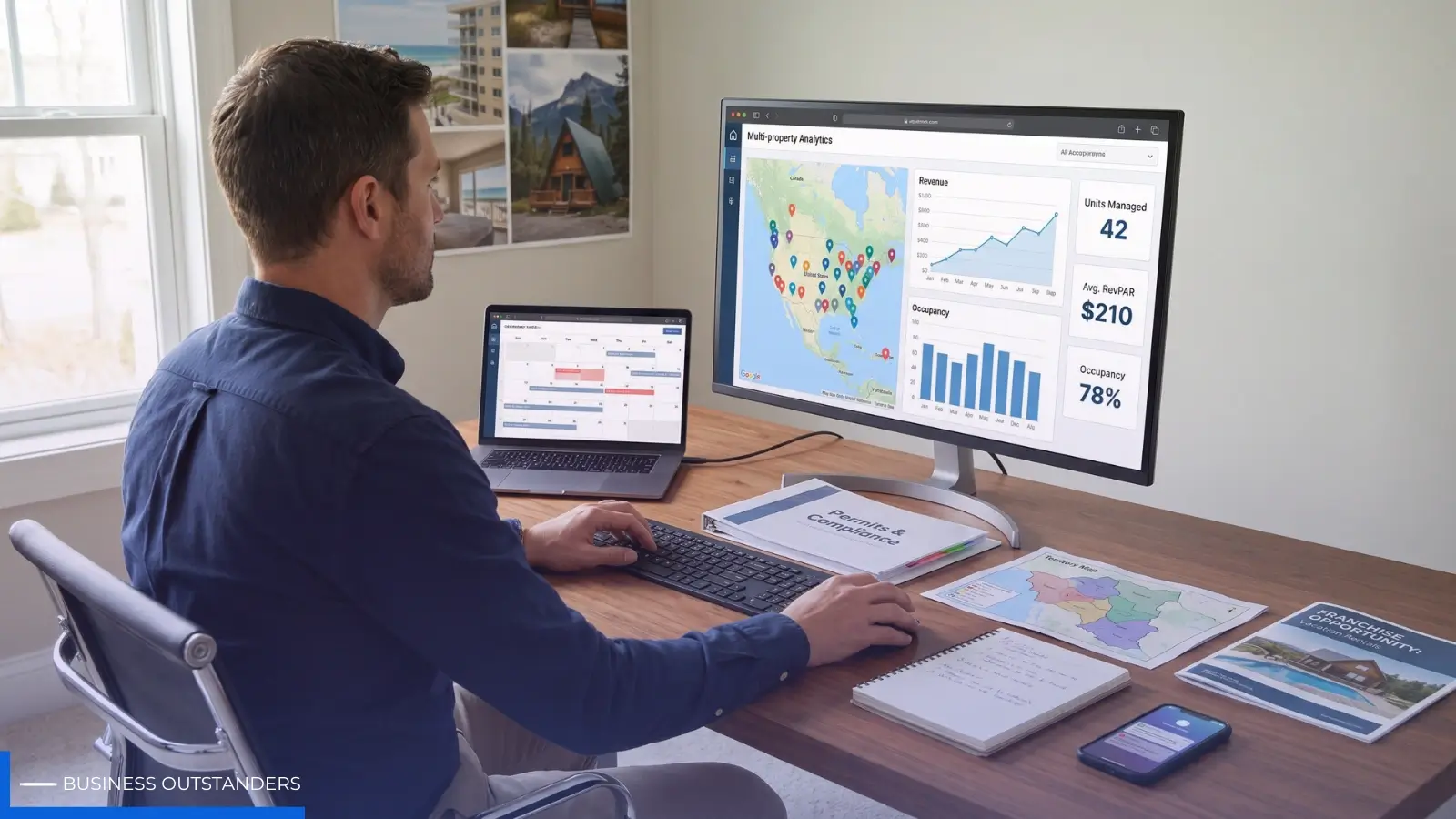
The operational phase brings its own challenges. Managing a portfolio of properties across time zones requires standardized systems for maintenance, tenant relations, and financial reporting. Companies invest heavily in property management software that integrates data from all locations into unified dashboards.
Business Outstanders brings you sharp insights on tech, business, entrepreneurship, law, crypto, and more. We uncover what’s next. Stay updated, sign up for our newsletter and be part of the future!