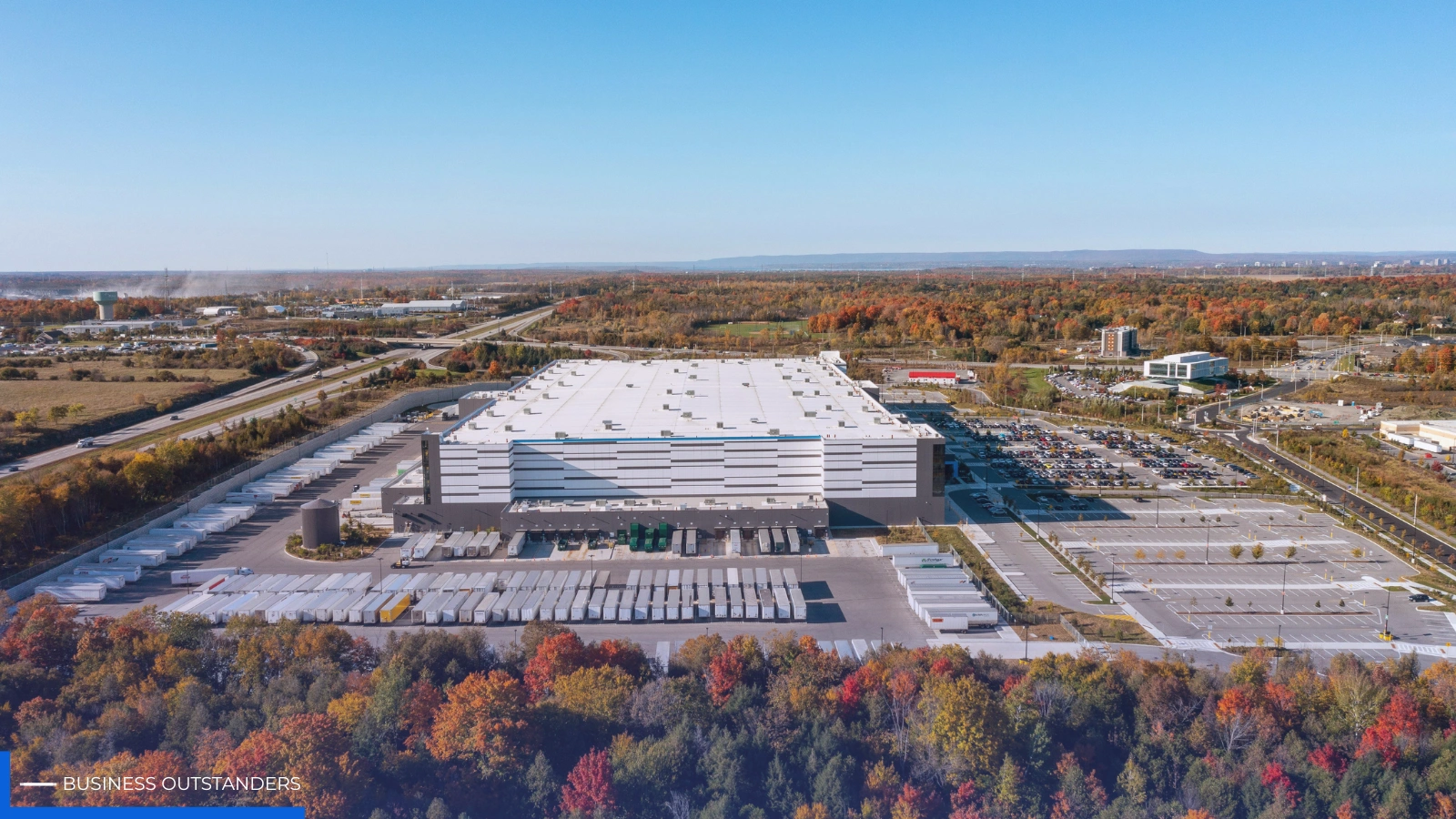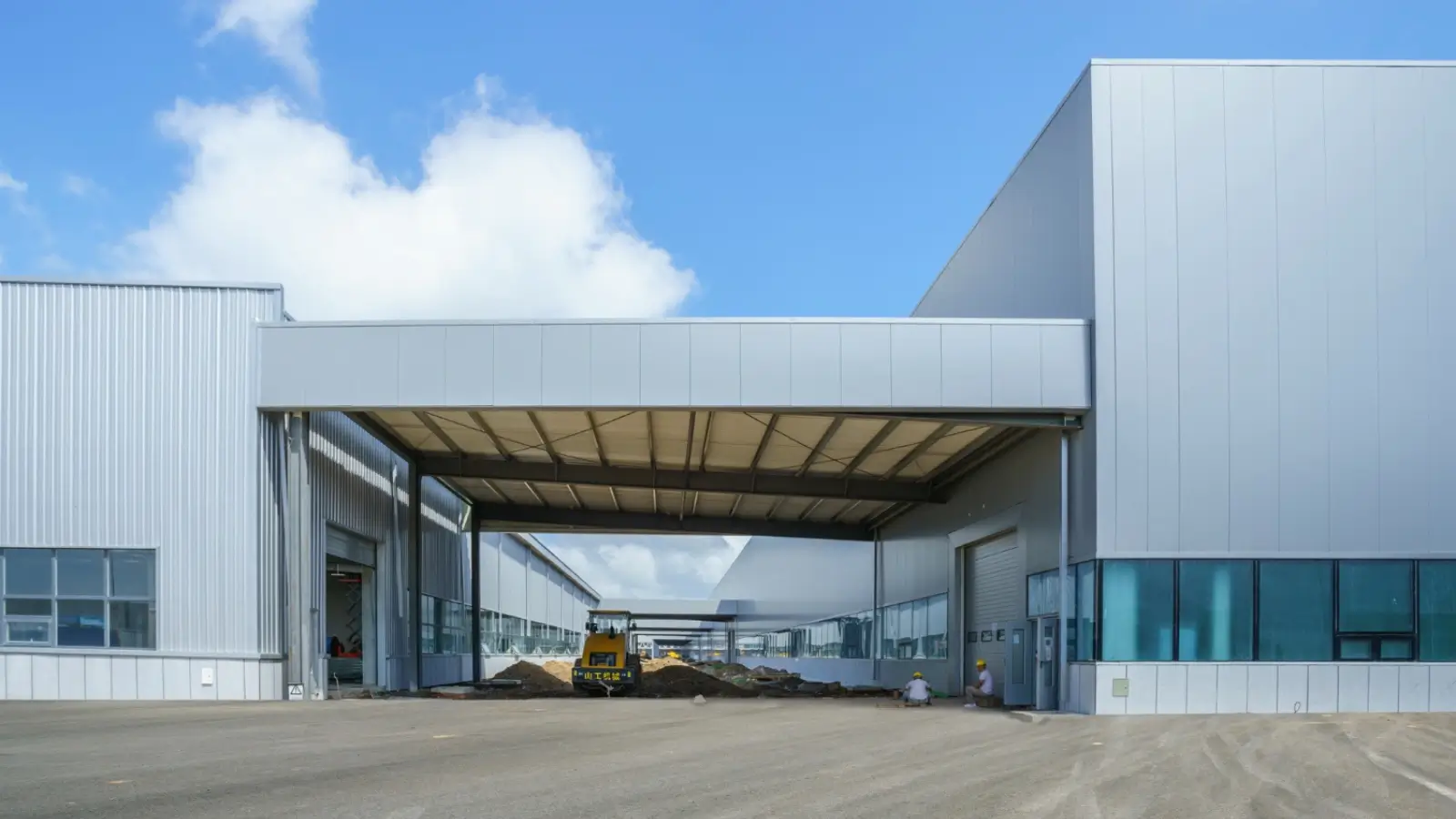
Brisbane's industrial warehouse for rent in Brisbane options span from older facilities in inner suburbs to modern logistics hubs in growth corridors, with the market experiencing significant development as the city expands. The industrial property landscape here differs from Sydney or Melbourne, with generally more available land, slightly lower rental rates, and growing infrastructure investment driven by population growth and port expansion. Rental costs for warehouse space typically range from $90 to $150 per square meter annually depending on location and facility quality, which is moderately lower than Sydney but higher than many regional centers. Understanding Brisbane's specific industrial geography and market conditions helps identify facilities that genuinely match your operational requirements.
Key Industrial Precincts
The southern corridor, including Yatala, Stapylton, and Crestmead, has become Brisbane's primary logistics hub. This area offers proximity to the M1 motorway (Pacific Motorway), access to the Gold Coast, and newer purpose-built facilities with modern specifications. Yatala in particular has seen massive development over the past decade, with multiple large-scale logistics parks offering facilities from 2,000 to 50,000+ square meters.
The western corridor through Wacol, Richlands, and Acacia Ridge provides good access to the Ipswich motorway and connects to major road networks. This area includes a mix of older established facilities and new developments. The proximity to Brisbane Airport's cargo precinct makes it attractive for air freight operations.
The northern corridor, including areas like Brendale, Lawnton, and Narangba, serves businesses focused on the Sunshine Coast market and northern Brisbane suburbs. These areas have reasonable land availability and are seeing steady development. The Bruce Highway provides the main transport spine for this region.
Inner-city industrial areas like Fortitude Valley, Newstead, and Albion are increasingly converting to residential and mixed-use development, which limits industrial options but provides opportunities for businesses that need urban proximity. These locations work well for small-scale warehousing, last-mile delivery operations, or businesses where customer access is important.
Port of Brisbane proximity matters for import/export operations. The port at the mouth of the Brisbane River handles containers, bulk cargo, and vehicle imports. Facilities within 20-30 minutes of the port provide logistics advantages and reduced drayage costs. However, the Port of Brisbane is somewhat isolated geographically, so factor in travel times to your customer base or other operational locations.
Climate Considerations Unique to Brisbane
Brisbane's subtropical climate creates specific requirements for warehouse operations. Summer temperatures regularly exceed 30°C with high humidity, which affects both product storage and working conditions. Many goods require climate control to prevent heat damage or moisture-related problems. Think about pharmaceuticals, electronics, food products, and even some building materials that can degrade in heat.
Cyclone and storm preparation is more relevant in Brisbane than southern cities. The warehouse should have appropriate structural ratings, and you need to consider how severe weather might affect operations. Insurance companies often require specific tie-down points for racking and equipment in cyclone-rated buildings.
Flooding is a serious consideration in Brisbane. The 2011 floods affected numerous industrial areas, and some locations remain vulnerable. Check historical flood maps and current flood zone designations before committing to a facility. Buildings in flood-prone areas might require flood-resistant construction, elevated floor levels, or other mitigation measures. Insurance costs can be significantly higher in flood-prone zones, sometimes prohibitively so.
Pest control is more challenging in Brisbane's warm, humid climate. Termites, rodents, and insects are more active year-round compared to cooler climates. Look for facilities with proper pest barriers, sealed entry points, and good drainage that doesn't create standing water. Regular pest control becomes a more significant operational expense here.
Building Specifications for Brisbane Conditions
Roof insulation is essential in Brisbane's climate. Single-skin metal roofs without insulation create unbearable conditions during summer. Quality facilities use insulated roof panels, which might be polyurethane, polystyrene, or mineral wool sandwiched between metal sheets. This insulation dramatically reduces heat transfer and can lower cooling costs by 30-50%.
Ventilation systems become more important in Brisbane than cooler climates. Good cross-ventilation, ridge vents, and circulation fans help manage heat and humidity. Some facilities incorporate high-volume low-speed (HVLS) fans, which move large volumes of air efficiently and create better working conditions without the energy costs of full air conditioning.
Floor sealing affects cleanliness and maintenance. Sealed concrete floors are easier to clean, generate less dust, and resist moisture penetration. Unsealed floors in Brisbane's humid climate can develop mold and mildew issues, particularly if the building isn't well-ventilated. Epoxy or polyurethane sealers provide durable, easy-to-maintain surfaces.
Loading dock design should account for weather protection. Brisbane gets significant rainfall, particularly during summer storm season. Dock levelers with weather seals and extended canopies protect goods during loading and unloading. Some facilities have enclosed loading areas, which provide complete weather protection but cost more to build.
Infrastructure and Connectivity
Brisbane's road network has improved significantly with recent infrastructure projects, but congestion remains an issue during peak hours. The Gateway Motorway, Logan Motorway, and M1 form the primary freight routes. Facilities with direct access to these routes without traversing congested suburban streets provide real operational advantages.
The Brisbane Airport precinct includes significant cargo facilities and is expanding. If your business involves regular air freight, proximity to the airport cargo terminals reduces trucking costs and improves delivery times. However, airport-adjacent land is expensive, so weigh the logistics advantages against higher rental costs.
Rail freight connections are available in some industrial areas, particularly around Acacia Ridge and parts of the Port of Brisbane precinct. Interstate rail freight can be cost-effective for bulk goods moving to southern markets. However, rail requires sufficient volume to justify the logistics complexity, and most businesses find road transport more flexible.
NBN and telecommunications infrastructure vary by location. Newer industrial estates typically have good fiber connectivity, while older areas might rely on older copper networks or wireless solutions. If your operations depend on reliable high-speed internet, this becomes an important consideration. Some modern logistics facilities are incorporating dedicated data centers and redundant connectivity for businesses with high technology requirements.
Market Dynamics and Lease Considerations
Brisbane's industrial property market has tightened over recent years as population growth and economic development drive demand. Vacancy rates in prime locations often sit below 3%, which gives landlords negotiating advantage. However, the market isn't as tight as Sydney, so there's still room for negotiation, particularly for longer-term leases or in secondary locations.
Lease incentives are more common in Brisbane than Sydney. New developments often offer rent-free periods, typically 1 month per year of lease term. So a 5-year lease might include 5 months rent-free, which effectively reduces your cost by about 8%. Fitout contributions are sometimes negotiable, particularly for larger tenancies or longer-term commitments.
Rental escalations are typically 3-4% annually or CPI-linked. Fixed escalations provide certainty but can be disadvantageous if inflation is low. CPI-linked increases track actual inflation more closely. Market review clauses, where rent resets to market rates every few years, are less common in Brisbane than some other markets but still exist in some leases.
Business Outstanders brings you sharp insights on tech, business, entrepreneurship, law, crypto, and more. We uncover what’s next. Stay updated, sign up for our newsletter and be part of the future!