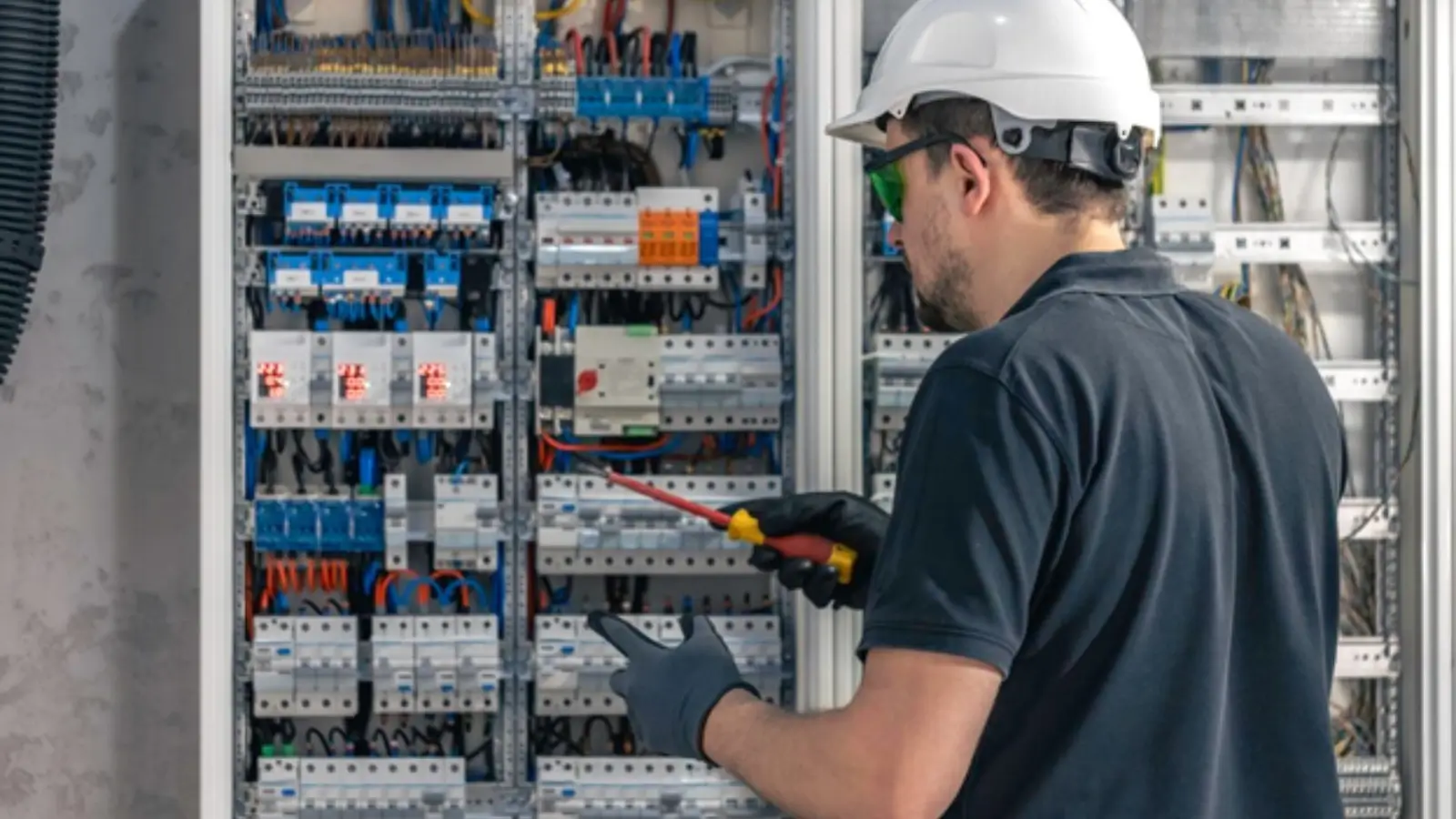
Selecting the right medium voltage metal enclosed switchgear is a critical decision that directly affects the safety, reliability, and efficiency of an electrical power system. Whether the application involves industrial plants, commercial facilities, utilities, or substations, this equipment plays a central role in controlling and protecting electrical distribution networks.
Because medium voltage metal enclosed switchgear represents a long term investment, it is essential to evaluate multiple technical, operational, and economic factors before making a purchase. This guide outlines the most important considerations to help buyers make informed and confident decisions.
Understanding Medium Voltage Metal Enclosed Switchgear
Medium voltage metal enclosed switchgear is an electrical assembly that houses switching and protective devices within grounded metal enclosures. It typically operates within voltage ranges from 3.3 kV up to 36 kV and includes components such as circuit breakers, busbars, protection relays, and control systems.
These assemblies are factory built and tested to ensure reliability, safety, and compliance with recognized standards. Their enclosed design provides enhanced protection against electrical hazards and environmental influences.
Define the Application and System Requirements
The first step in selecting medium voltage metal enclosed switchgear is to clearly define the intended application and operating conditions. Different installations have different performance requirements.
Key aspects to consider include:
- Type of facility such as industrial plant, utility substation, commercial building, or infrastructure project
- Voltage level and system configuration
- Load characteristics including continuous and peak demand
- Fault current levels and short circuit requirements
- Indoor or outdoor installation environment
A clear understanding of system requirements ensures that the selected switchgear matches the operational needs without overdesign or underperformance.
Voltage Rating and Insulation Level
Choosing the correct voltage rating is essential for safe and reliable operation. Medium voltage metal enclosed switchgear must be rated to handle both the nominal system voltage and potential overvoltage conditions.
Important considerations include:
- Rated operating voltage and maximum system voltage
- Insulation level suitable for expected environmental conditions
- Ability to withstand transient overvoltages
- Compliance with insulation coordination standards
Selecting appropriate voltage and insulation ratings helps prevent insulation failure and prolongs equipment lifespan.
Short Circuit Withstand Capacity
Short circuit events can cause severe damage if the switchgear is not designed to handle high fault currents. Evaluating the short circuit withstand capacity is therefore a critical purchasing factor.
Key points to evaluate:
- Rated short circuit breaking capacity of circuit breakers
- Short time withstand current rating of busbars
- Duration for which the equipment can safely withstand fault conditions
- Coordination with upstream and downstream protection devices
Proper short circuit ratings ensure system stability and reduce the risk of catastrophic failure.
Safety Features and Personnel Protection
Safety is a top priority when working with medium voltage equipment. Medium voltage metal enclosed switchgear from Meta Power Solutions offers several safety features, but their effectiveness can vary depending on design and configuration.
Essential safety aspects include:
- Fully enclosed and grounded metal compartments
- Internal arc fault containment and pressure relief
- Interlocking systems that prevent unsafe operations
- Clear separation between live parts and accessible areas
- Protection against accidental contact during maintenance
Enhanced safety features are particularly important in facilities with frequent human interaction.
Compliance With Standards and Certifications
Medium voltage metal enclosed switchgear should comply with relevant international and regional standards to ensure quality and safety.
Commonly referenced standards include IEC and IEEE guidelines. Compliance offers several benefits:
- Assurance of tested performance and safety
- Easier approval from regulatory authorities
- Improved interoperability with other system components
- Reduced risk of operational or legal issues
Always verify certifications and test reports before finalizing a purchase.
Type of Circuit Breaker Technology
The circuit breaker is a core component of medium voltage metal enclosed switchgear. The choice of breaker technology affects performance, maintenance, and environmental impact.
Common breaker technologies include:
- Vacuum circuit breakers for high reliability and low maintenance
- Gas insulated breakers designed for compact applications
- Air based breakers used in specific conditions
Vacuum circuit breakers are widely preferred due to their long service life, fast operation, and minimal environmental impact.
Maintenance Requirements and Accessibility
Maintenance accessibility is a critical consideration, especially in installations with limited space or operational downtime constraints.
Evaluate the following:
- Ease of access to breakers and control components
- Modular design for quick replacement or upgrades
- Frequency of required inspections and servicing
- Availability of spare parts and service support
Switchgear with lower maintenance requirements and easier accessibility helps reduce lifecycle costs and improve system availability.
Environmental and Installation Conditions
Environmental conditions have a significant impact on switchgear performance and longevity. Medium voltage metal enclosed switchgear must be suitable for the intended installation environment.
Consider environmental factors such as:
- Indoor or outdoor installation requirements
- Ambient temperature and humidity levels
- Exposure to dust, pollution, or corrosive substances
- Seismic and vibration considerations if applicable
Selecting equipment designed for the specific environment ensures reliable operation and minimizes premature wear.
Space Requirements and Layout Flexibility
Space constraints often influence switchgear selection, particularly in urban or retrofit installations.
Important layout considerations include:
- Overall footprint and panel dimensions
- Front and rear access requirements
- Cable entry options from top or bottom
- Expandability for future feeders or protection units
Compact and modular designs offer greater flexibility and adaptability to evolving system needs.
Integration With Protection and Control Systems
Modern power systems increasingly rely on digital protection and control for efficient operation. Medium voltage metal enclosed switchgear should integrate seamlessly with these systems.
Key integration features include:
- Compatibility with digital protection relays
- Support for remote monitoring and control
- Communication interfaces for SCADA systems
- Data collection for diagnostics and predictive maintenance
Advanced integration capabilities enhance system visibility and operational efficiency.
Energy Efficiency and Environmental Impact
Energy efficiency and sustainability are becoming important considerations in electrical equipment selection.
Medium voltage metal enclosed switchgear can support sustainability goals through:
- Reduced energy losses in optimized designs
- Long service life that minimizes resource consumption
- Availability of eco friendly insulation technologies
- Lower maintenance related waste generation
Evaluating environmental impact supports long term sustainability and regulatory compliance.
Future Expansion and Upgrade Capability
Electrical systems evolve over time due to load growth and technological advancements. Medium voltage metal enclosed switchgear should be adaptable to future changes.
Consider future readiness factors such as:
- Modular expansion options
- Compatibility with future protection technologies
- Ease of retrofitting and upgrades
- Scalability for additional feeders or capacity
Future ready switchgear protects the investment and reduces the need for complete system replacement.
Conclusion
Purchasing medium voltage metal enclosed switchgear is a strategic decision that impacts system safety, reliability, and operational efficiency for decades. By carefully evaluating factors such as application requirements, safety features, standards compliance, maintenance needs, and total cost of ownership, buyers can select equipment that meets both current and future demands.
A well chosen medium voltage metal enclosed switchgear solution not only ensures reliable power distribution but also enhances safety, supports sustainability goals, and delivers long term value. Taking the time to assess these key factors leads to confident purchasing decisions and dependable electrical infrastructure.