Introduction: The Importance of Commercial HVAC Systems
Running a successful business requires consistent performance across many operational areas, yet one of the most overlooked aspects of commercial management is the reliability of the building’s HVAC system. Commercial heating, ventilation, and air conditioning equipment plays a vital role in maintaining stable temperatures, ensuring proper air quality, supporting employee productivity, and creating welcoming environments for customers. These systems operate with greater complexity and under more demanding conditions than residential HVAC setups, and because commercial buildings depend on climate control to remain functional, any disruption can create significant challenges. Whether the issue is temperature imbalance, air quality concerns, mechanical failure, or excess energy consumption, a malfunctioning system can bring normal operations to a halt. This is precisely why businesses must adopt a structured, proactive approach to HVAC care and rely on professional service providers who understand the intricacies of commercial systems.
Understanding the Complexity of Commercial HVAC Systems
Commercial HVAC systems vary widely depending on the building’s size, purpose, and layout, but they all share one characteristic: they must operate consistently, often for long hours and under fluctuating loads. Large office buildings, retail establishments, schools, manufacturing facilities, and data centers all depend on properly functioning climate control systems to support day-to-day functionality. These systems manage complex networks of ducts, thermostats, compressors, chillers, heating units, and control components that interact continuously. When even one component experiences strain or failure, the effects ripple through the system, leading to reduced performance, wasted energy, or costly breakdowns. Because of this interconnected nature, routine inspections and timely repairs are essential. Many businesses rely on experts specializing in commercial HVAC repair for accurate diagnostics, reliable service, and long-term system improvements.
Key Components of a Commercial HVAC System
To fully understand why professional care is so important, it helps to explore the major components of commercial HVAC systems and the ways they contribute to the building’s overall functionality.
-
Air Handlers manage the movement and distribution of air throughout the building, ensuring that temperature-controlled air reaches every zone.
-
Ductwork channels this air through complex pathways, and any leaks, blockages, or damage can significantly reduce efficiency.
-
Cooling Towers in large facilities assist in heat removal, working together with chillers that lower the temperature of water circulating through the building.
-
Boilers and Heating Units provide warmth during colder seasons.
-
Thermostats and Building Automation Controls regulate all functions and ensure optimal comfort across multiple zones.
Because these systems operate at high capacity, failure in one area can quickly affect the rest, which is why experienced technicians remain invaluable.
Common Issues in Commercial HVAC Systems
Several common issues can arise in commercial HVAC systems, and understanding these problems can help business owners recognize early warning signs before they escalate.
-
Poor Airflow: Often caused by clogged filters, damaged ducts, or malfunctioning fans, restricted airflow forces the system to work harder, increasing energy consumption and raising utility costs.
-
Refrigerant Leaks: Refrigerant is essential for cooling, and leaks can cause uneven temperatures, reduced cooling capabilities, and long-term compressor damage.
-
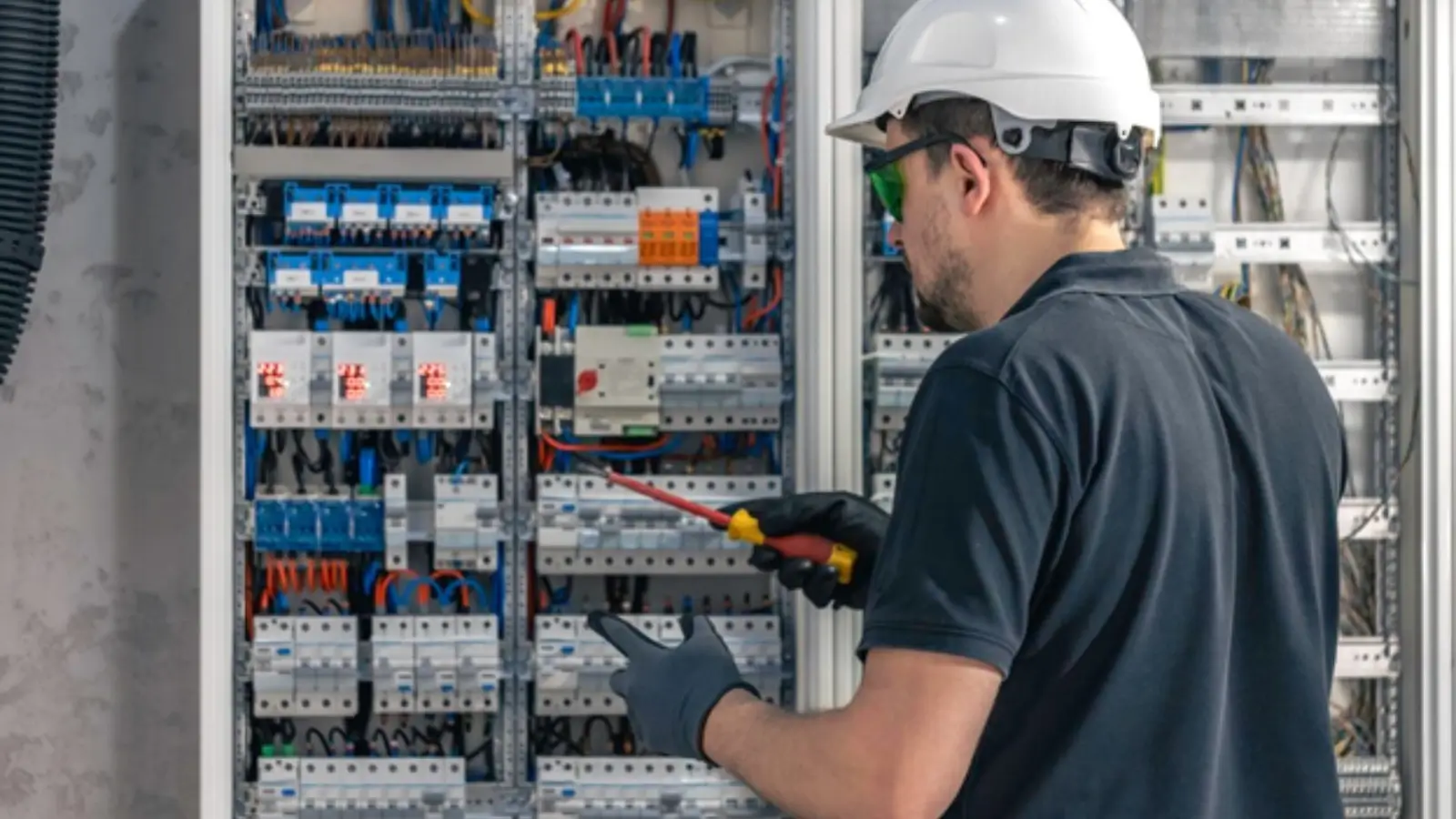
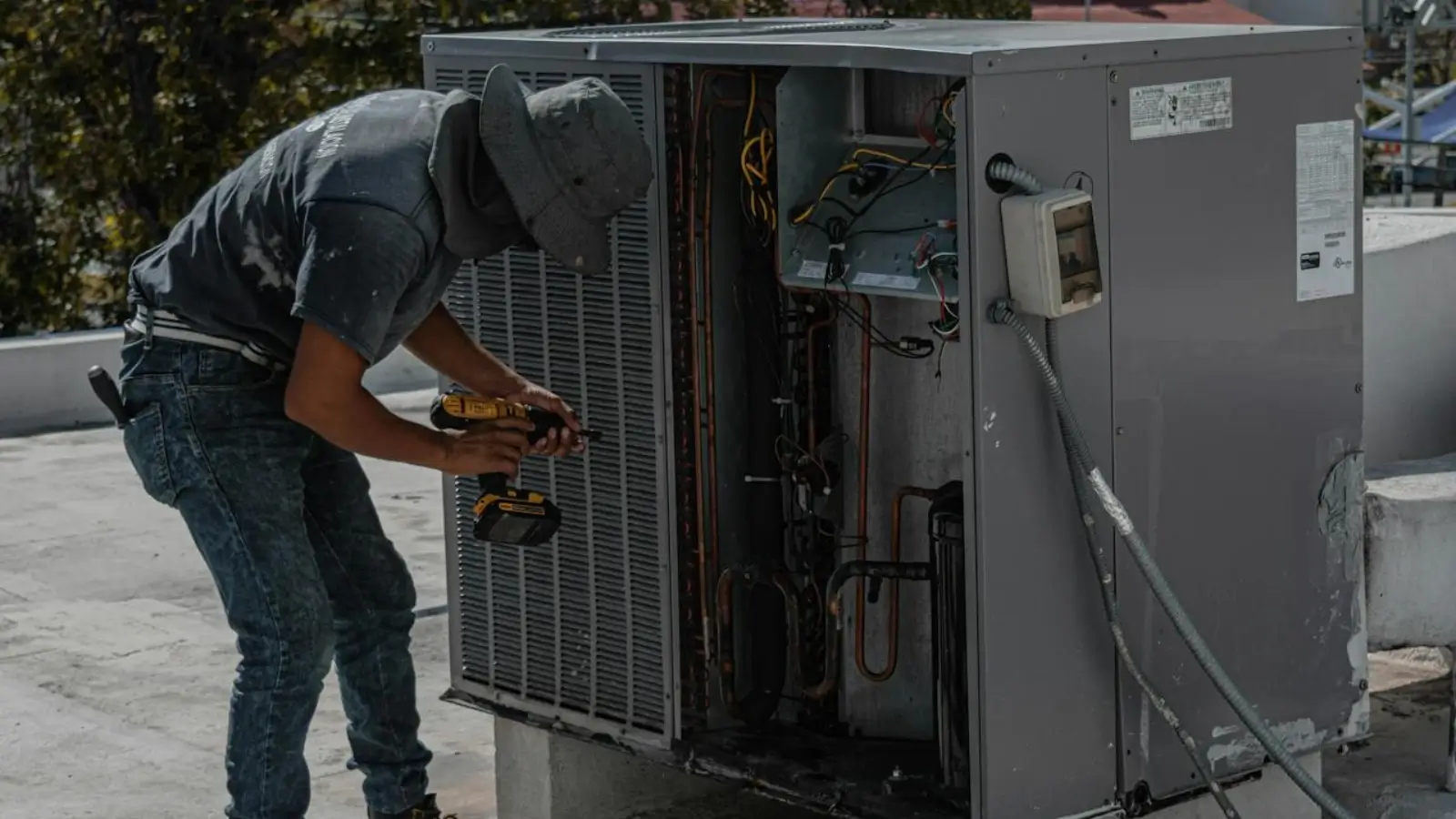
Electrical Failures: Commercial systems contain numerous wires, relays, capacitors, and sensors that must work correctly at all times; faults can interrupt operations or create hazards.
-
Thermostat Irregularities: Malfunctioning thermostats lead to inconsistent temperatures, discomfort, and unnecessary strain on equipment.
-
Dirty Coils: Coils that are not cleaned regularly reduce heat transfer efficiency and increase operating costs.
Ignoring these issues often leads to more serious, costly repairs, emphasizing the importance of routine inspections and timely professional service.
The Importance of Professional Service
Professional service is the most effective way to keep commercial HVAC systems in optimal condition. Trained technicians can identify hidden problems, perform detailed inspections, and use specialized tools to ensure systems run safely and efficiently. Their work extends far beyond basic maintenance tasks, including inspecting refrigerant pressures, testing electrical components, calibrating sensors, evaluating the condition of belts and motors, cleaning coils, and verifying proper airflow. They can also ensure that the building complies with modern safety standards and energy regulations. Attempting these tasks without professional training can cause further damage, increase repair costs, or create safety risks. Businesses rely heavily on HVAC uptime, so dependable service providers offering commercial HVAC repair help maintain comfortable conditions and avoid unnecessary disruptions.
The Role of Preventive Maintenance
Preventive maintenance is crucial to extending equipment lifespan and reducing the frequency of unexpected failures. Scheduled maintenance allows technicians to detect emerging issues early, perform essential cleaning, replace worn parts, and optimize system performance. Regular filter replacements improve airflow and indoor air quality, while cleaning coils helps prevent efficiency loss. Monitoring refrigerant pressure ensures the system can cool effectively without overexertion. Inspecting motors, pulleys, and belts prevents sudden mechanical breakdowns. Routine maintenance stabilizes system performance and contributes to long-term cost savings by reducing energy waste and preventing emergency repairs.
Boosting Energy Efficiency
Energy efficiency is a growing priority for businesses seeking cost reduction and sustainability. Commercial HVAC systems consume significant amounts of energy, and inefficiencies can drastically increase operating expenses. Upgrading outdated equipment is one of the most effective strategies to improve efficiency, as modern systems feature variable-speed motors, smart sensors, high-efficiency compressors, and integrated control software. Improvements in building insulation and duct sealing also enhance efficiency by minimizing energy loss. Smart thermostats and automation platforms allow managers to monitor and control energy usage remotely, reducing unnecessary operating costs while improving comfort for building occupants.
Ensuring Healthy Indoor Air Quality
Maintaining good indoor air quality is another essential benefit of proper HVAC care. Poor ventilation and contaminated air can negatively affect the health, productivity, and satisfaction of occupants. Dust, allergens, pollutants, and moisture imbalances accumulate in poorly maintained systems, creating a range of potential problems. Regular cleaning of air filters, coils, and ducts improves airflow and ensures efficient ventilation. Many commercial HVAC systems now include humidity controls and air purification technologies, further enhancing the indoor environment and promoting occupant well-being.
Extending the Lifespan of Commercial HVAC Equipment
Commercial HVAC equipment represents a significant investment, and businesses can maximize this investment by extending system lifespan. Strategies include keeping components clean, addressing unusual noises promptly, eliminating airflow obstructions, and replacing worn parts with high-quality components. Monitoring system performance through digital tools or automation allows technicians to detect inefficiencies before they become major failures. Well-maintained systems not only last longer but also operate more efficiently, requiring fewer repairs and maintaining consistent performance over the years.
Developing a Long-Term HVAC Strategy
Every business benefits from a long-term HVAC plan tailored to its unique operational needs. Such a plan should include scheduled inspections, seasonal tune-ups, emergency service protocols, equipment upgrade timelines, and documentation of all repairs. A structured approach gives building managers the clarity to manage budgets effectively and ensures consistent performance year-round. Long-term planning allows businesses to respond quickly to emerging problems, minimizing downtime and maintaining comfort levels for occupants and customers alike.
Conclusion:
Commercial HVAC systems are essential to business operations, and their reliability directly affects employee productivity, customer satisfaction, energy costs, and operational stability. By understanding system components, common issues, and the benefits of preventive maintenance, businesses can take a proactive approach to HVAC management. Professional service, including commercial HVAC repair , ensures systems are properly maintained, efficient, and compliant with industry standards. Whether addressing airflow issues, temperature inconsistencies, or rising energy expenses, partnering with experienced specialists protects comfort, minimizes downtime, and extends the life of commercial HVAC equipment. A well-maintained system ensures consistent performance, healthier indoor environments, and reduced operational costs for years to come, safeguarding both the business and its investment.