The design of an office space plays a critical role in shaping how employees think, work, and collaborate. While technology and management strategies often take center stage in discussions about productivity, the physical environment is just as influential. From lighting and layout to color schemes and decor, every element can impact focus and creativity. Understanding these dynamics helps businesses create spaces that inspire innovation while supporting concentration.
The Connection Between Environment and Mental Performance
Research consistently shows that the physical environment affects cognitive function. Natural light, for example, has been linked to improved mood and sharper focus. Employees working in well-lit spaces often report higher energy levels and better sleep quality, which translates into greater productivity. Similarly, noise levels can either enhance or hinder performance. While some background sound may encourage creative thinking, excessive noise often leads to distraction and stress. Striking the right balance is essential for maintaining mental clarity throughout the workday.
Layout and Its Influence on Collaboration
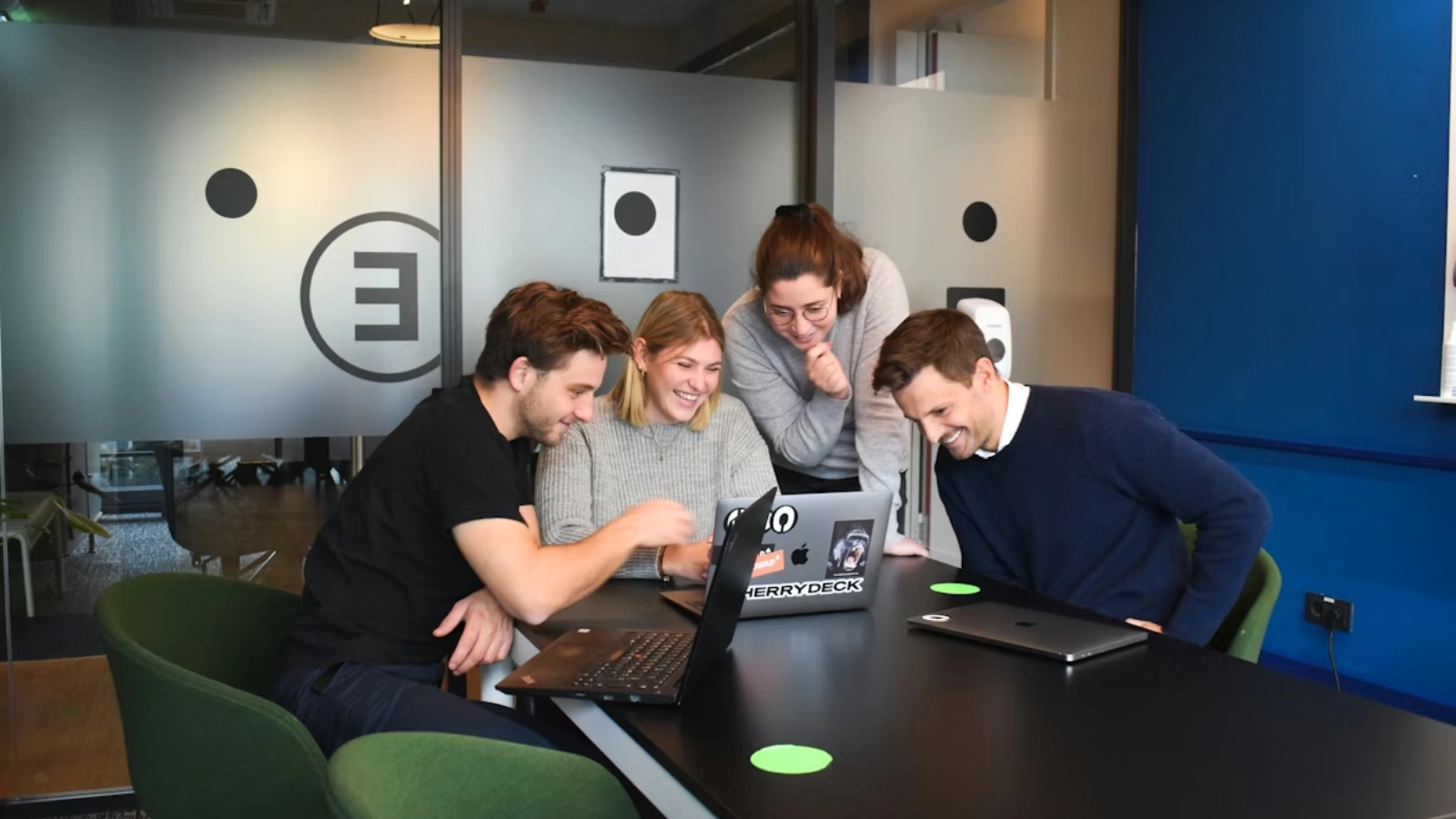
The way an office is arranged can either foster teamwork or create barriers. Open-plan layouts encourage spontaneous interaction and idea sharing, which can spark creativity. However, they can also lead to interruptions that disrupt deep work. On the other hand, private offices or designated quiet zones support focused tasks but may limit collaboration. The most effective spaces often combine both approaches, offering areas for group brainstorming alongside secluded spots for concentration. This flexibility allows employees to choose environments that suit their immediate needs.
The Role of Aesthetics in Inspiring Creativity
Visual appeal can influence how employees feel and think. Colors, textures, and artwork all contribute to the atmosphere of a workspace. Warm tones can create a sense of comfort, while vibrant hues may energize and stimulate creative thought. Incorporating art into office design is particularly powerful. A curated collection, such as pieces from an art gallery photography display, can transform a sterile environment into one that feels dynamic and inspiring. These visual elements provide mental stimulation and can even serve as conversation starters, fostering a culture of creativity.
Personalization and Employee Well-Being
Allowing employees to personalize their workspaces can significantly boost morale and focus. When individuals have control over their surroundings, they feel more comfortable and engaged. Simple additions like plants, family photos, or personal artwork create a sense of ownership and reduce stress. This personalization also supports creativity by making the environment feel less rigid and more conducive to free thinking. Companies that encourage these touches often see improvements in both job satisfaction and overall performance.
Technology Integration and Space Efficiency
Modern offices must balance aesthetics with functionality. Technology plays a central role in this equation, influencing how space is used and how employees interact. Wireless connectivity, ergonomic furniture, and smart storage solutions help maintain an organized environment that minimizes distractions. Efficient use of space ensures that employees have access to the tools they need without feeling cramped or overwhelmed. When technology and design work in harmony, the result is a workspace that supports both productivity and innovation.
Conclusion
Office design actively shapes how employees think, collaborate, and create. By considering factors such as lighting, layout, aesthetics, personalization, and technology, businesses can craft environments that enhance focus and inspire creativity. A well-designed workspace is an investment in both employee well-being and organizational success, ensuring that teams have the physical and mental resources they need to thrive.