Commercial Roofing: Essential Insights for Durable and Efficient Roof Solutions
— Investing in a high-quality commercial roofing system provides safety, durability, energy savings, and improved aesthetics.
Commercial roofing is a critical component of any commercial building, providing protection, insulation, and structural integrity. Unlike residential roofing, commercial roofing often deals with larger surface areas, complex designs, and unique environmental and structural challenges. Selecting the right commercial roofing system is crucial for ensuring the longevity of the building, reducing maintenance costs, and improving energy efficiency. From new construction to roof replacement and repair, understanding the materials, installation processes, and maintenance requirements is essential for property owners, facility managers, and business operators.
Commercial roofing encompasses a wide range of materials, including metal, single-ply membranes, built-up roofing (BUR), modified bitumen, and spray polyurethane foam. Each system has unique characteristics and is suitable for specific types of buildings, climates, and budgets. The durability, energy efficiency, and installation methods vary significantly between different commercial roofing options, making expert guidance and professional installation critical for achieving optimal results.
Importance of Commercial Roofing
A well-installed commercial roof protects the building from environmental elements, such as rain, snow, wind, and UV exposure. It also provides insulation, helping to maintain comfortable indoor temperatures while reducing energy consumption. Commercial roofs contribute to the overall safety of the structure, preventing water damage, leaks, and mold growth.
Commercial roofing plays a significant role in the building’s aesthetic and functional appeal. Many businesses invest in roofing systems that not only provide durability but also improve energy efficiency and sustainability. For example, reflective or “cool” roofing materials can reduce heat absorption, lowering cooling costs in hot climates. Green roofing solutions, which incorporate vegetation or specialized coatings, also offer environmental benefits and can extend the lifespan of the roof.
Types of Commercial Roofing Systems
Commercial roofing systems are diverse, and selecting the right system depends on the building type, budget, climate, and maintenance requirements. The most common types include:
Single-Ply Membrane Roofing
Single-ply membranes, such as TPO (Thermoplastic Olefin), PVC (Polyvinyl Chloride), and EPDM (Ethylene Propylene Diene Monomer), are popular due to their flexibility, durability, and energy efficiency. These membranes are lightweight, easy to install, and resistant to UV rays, chemical exposure, and temperature fluctuations.
Single-ply roofing is ideal for flat or low-slope commercial roofs. The material comes in large sheets that are mechanically fastened, adhered, or ballasted. Their seamless design minimizes the risk of leaks and reduces maintenance requirements.
Built-Up Roofing (BUR)
Built-up roofing, also known as “tar and gravel” roofing, has been used for decades on commercial buildings. BUR consists of multiple layers of bitumen (asphalt or coal tar) and reinforcing fabrics, finished with a protective layer of gravel or other surfacing material.
This system provides exceptional durability, fire resistance, and waterproofing. However, BUR tends to be heavier than other roofing options and may require additional structural support. It is commonly used on low-slope or flat roofs in commercial facilities.
Modified Bitumen Roofing
Modified bitumen roofing is an evolution of traditional BUR, combining the durability of asphalt with advanced polymers for increased flexibility and resistance to temperature changes. It is typically installed in rolls and can be applied using heat, cold adhesives, or self-adhesive methods.
Modified bitumen is suitable for low-slope roofs and offers excellent waterproofing, UV resistance, and long-term performance. It is also relatively easy to repair compared to built-up roofing systems.
Metal Roofing
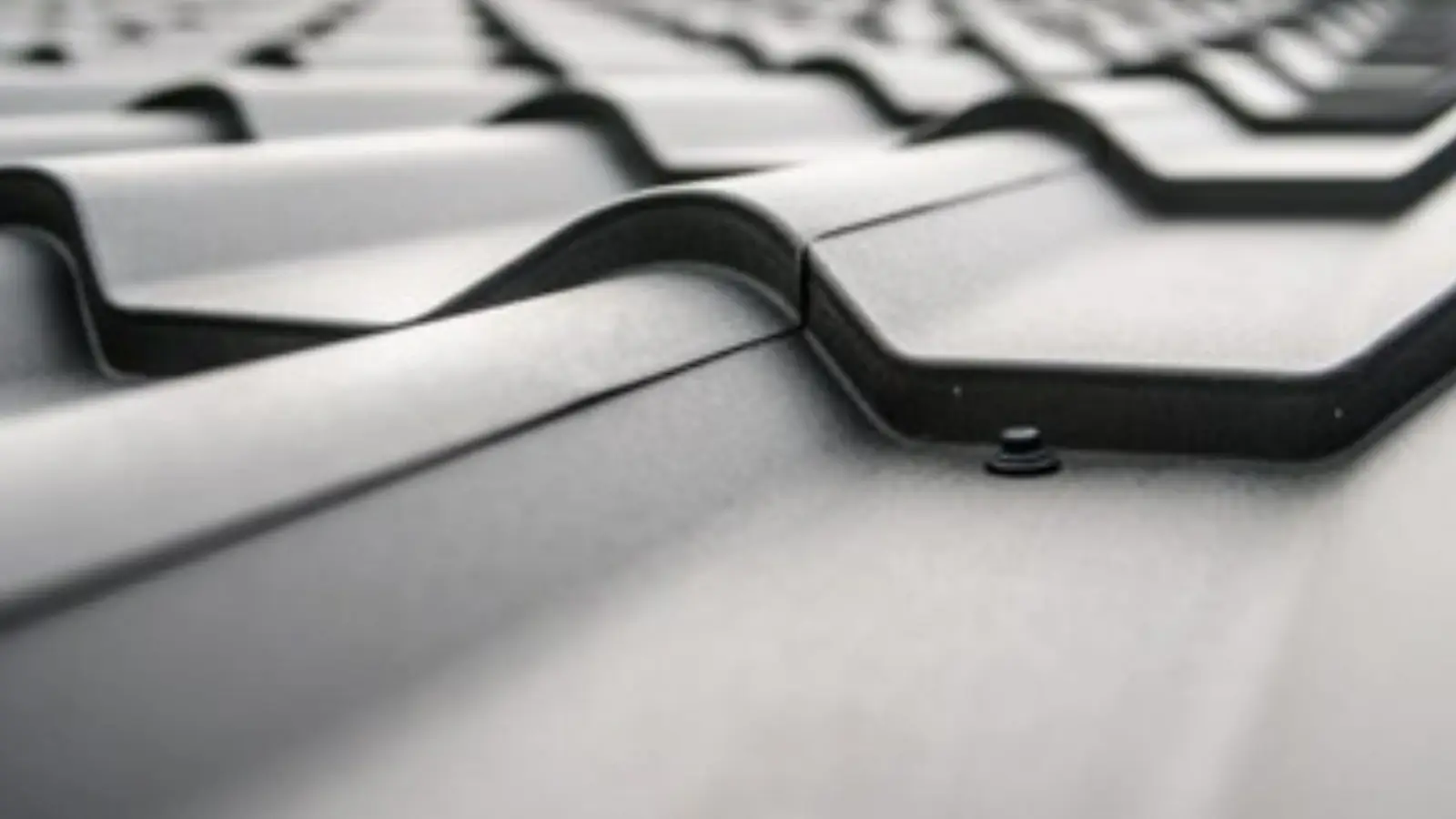
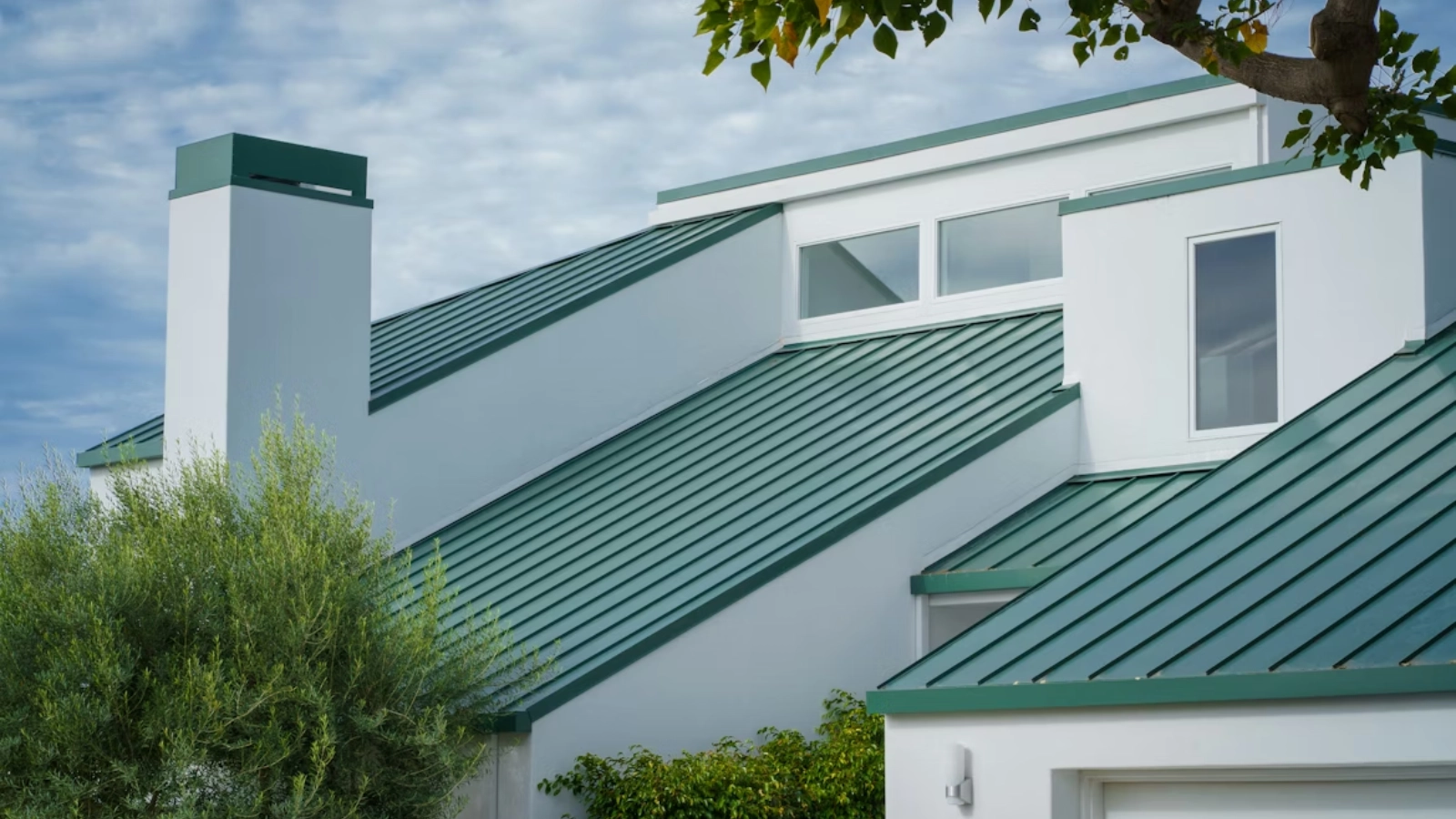
Metal roofing, often made from steel, aluminum, or copper, is increasingly popular in commercial construction. Metal roofs are durable, lightweight, fire-resistant, and recyclable, making them a sustainable choice. They are available in standing seam panels, corrugated sheets, or custom designs that can enhance the building’s aesthetic appeal.
Metal roofing performs exceptionally well in areas prone to extreme weather conditions, such as high winds, heavy rain, or snow. While the upfront cost may be higher than other materials, the longevity, low maintenance, and energy efficiency make metal roofing a cost-effective option over time.
Spray Polyurethane Foam (SPF) Roofing
SPF roofing is a seamless, lightweight, and highly insulating system sprayed directly onto the roof deck. The foam expands and hardens to form a continuous barrier, eliminating seams and potential leak points. SPF roofing is ideal for retrofits, as it can be applied over existing roofing surfaces, reducing removal costs.
SPF roofs are known for excellent energy efficiency, waterproofing, and durability. Proper installation and periodic maintenance, including coating applications, ensure long-term performance.
Factors to Consider in Commercial Roofing
When selecting a commercial roofing system, several factors should be considered to ensure performance and longevity:
-
Roof Slope: Low-slope and flat roofs require materials with superior waterproofing capabilities, while steeper roofs may allow for materials like metal panels.
-
Climate: Extreme weather, temperature fluctuations, and exposure to UV rays influence material choice and installation methods.
-
Building Usage: Industrial, retail, office, or warehouse buildings have different roofing requirements based on traffic, load capacity, and operational needs.
-
Budget and Lifespan: Consider initial costs, long-term durability, maintenance expenses, and energy savings when choosing a roofing system.
-
Maintenance Requirements: Some materials, like metal or single-ply membranes, require minimal maintenance, while BUR and modified bitumen may require more frequent inspections.
Commercial Roof Installation
Proper installation is essential for maximizing the lifespan and performance of any commercial roof. Commercial roofing projects require skilled professionals who understand the specific installation techniques for different roofing systems. The installation process typically includes:
-
Assessment and Preparation: Inspect the roof deck, remove old roofing materials if necessary, and ensure structural integrity.
-
Material Selection and Delivery: Choose the appropriate roofing system based on building requirements and environmental conditions.
-
Installation: Follow manufacturer guidelines for installation, including fastening, adhesion, layering, and sealing.
-
Inspection and Quality Control: Check for proper installation, alignment, waterproofing, and overall integrity.
Professional installation ensures the roof functions as intended, prevents early deterioration, and reduces the likelihood of leaks or structural damage.
Roof Maintenance and Repairs
Regular maintenance is critical to extending the lifespan of a commercial roof. Maintenance tasks include:
-
Inspecting for leaks, cracks, or damage after storms.
-
Cleaning debris from drains, gutters, and the roof surface.
-
Checking flashing, seams, and roof edges for wear.
-
Applying coatings to protect single-ply membranes or SPF roofs.
-
Repairing minor damage promptly to prevent escalation.
Routine inspections and timely repairs help avoid costly replacements and maintain energy efficiency and structural protection.
Cost Considerations for Commercial Roofing
Commercial roofing projects involve a significant investment. Costs vary based on material type, roof size, complexity, labor, and geographic location. Single-ply membranes and modified bitumen tend to be more affordable upfront, while metal and SPF roofing may have higher initial costs but offer longer-term savings due to durability and energy efficiency.
Additional costs may include insulation, ventilation, coatings, roof deck repairs, permits, and professional installation services. Evaluating total cost of ownership rather than just initial pricing is essential for making informed decisions.
Energy Efficiency and Sustainability
Commercial roofing systems play an important role in reducing energy consumption and environmental impact. Reflective coatings, “cool roof” materials, and green roofing systems reduce heat absorption, keeping interiors cooler and lowering air conditioning costs.
Sustainable roofing options, such as metal and SPF roofs, can reduce waste by extending lifespan, being recyclable, and minimizing landfill contributions. Implementing energy-efficient roofing systems aligns with modern building codes and sustainability standards.
Choosing a Commercial Roofing Contractor
Selecting an experienced and reputable commercial roofing contractor is critical for project success. Contractors should have experience with your specific roofing system, proper licensing, insurance, and references from previous projects.
A qualified contractor provides:
-
Detailed inspection and assessment
-
Accurate cost estimates and timelines
-
Professional installation and adherence to manufacturer specifications
-
Post-installation support and maintenance guidance
Choosing the right contractor ensures your investment is protected and your roofing system performs optimally for years to come.
Conclusion
Commercial roofing is a vital aspect of protecting and enhancing commercial buildings. With a variety of roofing systems available, from single-ply membranes and BUR to metal and SPF solutions, selecting the right material, installation method, and maintenance plan is critical for long-term performance, energy efficiency, and cost-effectiveness. Proper professional installation, ongoing inspections, and timely maintenance ensure that commercial roofs meet the demands of harsh weather, heavy use, and structural requirements.
Investing in a high-quality commercial roofing system provides safety, durability, energy savings, and improved aesthetics, making it a strategic decision for building owners and operators. By understanding the options, processes, and best practices, businesses can secure a reliable and efficient roofing solution that protects their property for decades.