Panelization & Off-Site Fabrication: Faster Schedules, Fewer Callbacks
— Prefabricated wall panels are no longer a niche solution – they’re a mainstream strategy for accelerating enclosure work while maintaining rigorous quality standards.
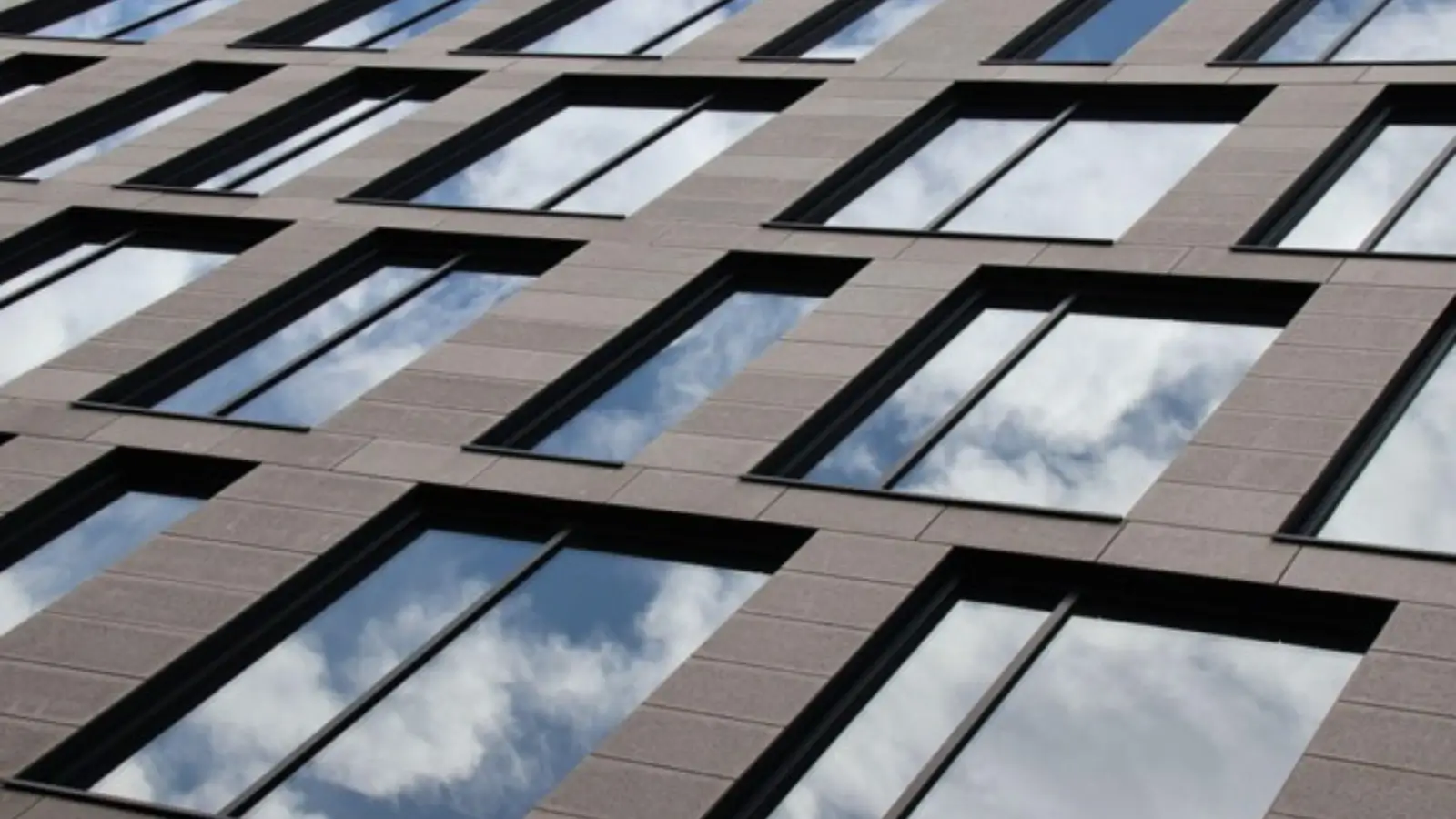
Panelization and off-site fabrication streamline the delivery of building envelope systems by manufacturing components like prefabricated wall panels in controlled factory settings. This approach significantly reduces on-site errors, accelerates project schedules, and enhances performance – particularly when integrating energy-efficient wall solutions or rainscreen wall systems. It also simplifies retrofit building envelope upgrades, leading to fewer callbacks and more durable, high-performing facades across Canadian construction projects.
Imagine cutting weeks off your construction schedule while simultaneously improving building performance and reducing costly field errors. That’s not a distant promise – it’s the reality offered by today’s panelized construction methods. As labour shortages and weather delays continue to challenge Canadian builders, off-site fabrication has emerged as a reliable path to predictable, high-quality outcomes.
By pre-assembling critical components, such as wall systems, in factory conditions, teams gain tighter control over tolerances, materials, and installation sequencing. This shift isn’t just about convenience; it’s redefining how we approach durability, efficiency, and sustainability in the built environment. Early in the design phase, specifying a panelized facade system can set the stage for smoother coordination, fewer RFIs, and a more resilient final product.
How Panelization Transforms Building Envelope Systems
Panelization – particularly when applied to building envelope systems – is reshaping how Canadian construction teams approach wall assemblies. By moving fabrication off-site into controlled environments, project stakeholders gain precision, consistency, and performance advantages that traditional stick-built methods struggle to match.
This shift is especially impactful when deploying complex systems, such as rainscreen walls, or upgrading aging structures with a retrofit building envelope. Let’s explore how modern panelized approaches elevate each critical component of today’s high-performance facades.
1. The Rise of Prefabricated Wall Panels
Prefabricated wall panels are no longer a niche solution – they’re a mainstream strategy for accelerating enclosure work while maintaining rigorous quality standards. These panels arrive on-site as complete assemblies, typically integrating insulation, air and water barriers, cladding, and support framing in a single unit. Because they’re built indoors, away from rain, wind, and temperature swings, manufacturers achieve tighter tolerances and fewer installation defects.
For contractors, this means fewer delays due to weather and less time coordinating multiple trades on the critical path. Architects benefit from cleaner detailing and more predictable thermal performance, while owners see reduced risk of moisture intrusion and callbacks.
2. Energy-Efficient Wall Solutions Built In
One of the strongest advantages of off-site fabrication is the ability to embed energy-efficient wall solutions directly into the panel during production.
Continuous insulation, advanced air sealing, and high-performance windows can all be integrated with millimetre-level accuracy – something difficult to replicate consistently in the field. Factories enable rigorous testing before panels ship, including spot checks for air leakage and thermal imaging validation where feasible.
This proactive quality control ensures that the as-built envelope closely matches the design intent, helping projects meet or exceed regional energy codes, including Alberta’s, and prepare for the upcoming federal net-zero requirements. Over time, these efficiencies translate into lower operational costs and improved occupant comfort.
3. Integrating Rainscreen Wall Systems with Precision
Rainscreen wall systems demand meticulous attention to drainage planes, ventilation gaps, and flashing interfaces. A minor misstep during on-site installation can compromise the entire assembly. Panelization solves this by pre-installing the rainscreen cavity, furring strips, and drainage matting in the factory, where conditions are stable and supervision is constant.
Cladding elements – whether metal, fibre cement, or terra cotta – can be pre-attached or pre-aligned, reducing on-site handling and potential damage. The result is a more reliable rainscreen performance, with consistent cavity depth and unobstructed airflow behind the cladding. This level of control significantly lowers the risk of trapped moisture, mould growth, and premature material degradation.
4. Retrofit Building Envelope Upgrades Made Simpler
Upgrading an existing structure’s facade presents unique challenges: uneven substrates, unknown conditions, and tight urban sites. Here, panelization offers a surprisingly agile solution. Custom prefabricated panels can be designed to accommodate irregular geometries or existing window openings, minimizing field modifications.
For retrofit building envelope projects – such as converting older office towers to meet modern energy standards – off-site fabrication reduces disruption to occupants and neighbouring properties. Panels can be installed rapidly during off-hours or in phased sequences, cutting project timelines by 30% or more compared to conventional recladding. Plus, because waste is minimized in factory settings, these retrofits also align with sustainability goals.
|
Aspect |
Traditional On-Site |
Panelized Off-Site |
|
Installation Time |
Weeks to months |
Days to weeks |
|
Quality Consistency |
Variable (weather/trade-dependent) |
High (controlled environment) |
|
Energy Performance Accuracy |
Moderate |
High (pre-tested assemblies) |
|
Moisture Risk |
Elevated |
Reduced (factory-sealed details) |
|
Retrofit Feasibility |
Challenging |
Streamlined |
This transformation isn’t just about speed – it’s about building smarter, safer, and more sustainably from the ground up (or the wall out).
Real-World Benefits: Speed, Quality, and Cost Control
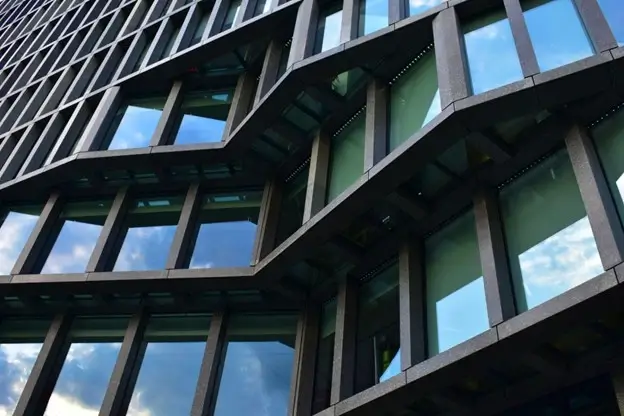
Adopting panelized approaches for building envelope systems delivers measurable advantages across scheduling, performance, and financial outcomes. These benefits stem not from theoretical ideals but from documented shifts in how teams manage risk, resources, and results on Canadian projects.
1. Accelerated Project Timelines
Off-site fabrication enables critical path compression by decoupling enclosure work from on-site constraints. While foundations and underground work proceed, wall panels are manufactured concurrently in factory settings. This parallel workflow routinely reduces enclosure installation time by 25–40%, allowing interior trades to begin sooner and owners to achieve occupancy faster.
2. Enhanced Quality and Fewer Callbacks
Factory-controlled environments minimize exposure to weather, inconsistent workmanship, and coordination gaps between trades. With prefabricated wall panels, key elements like air barriers, insulation layers, and rainscreen cavities are installed under consistent supervision and often validated through pre-shipment quality checks. The result is a more reliable building envelope with:
- Reduced air leakage due to tighter sealing and fewer field joints
- Lower risk of moisture-related issues thanks to consistent rainscreen detailing
- Improved alignment with energy-efficient solutions specified in the design
These factors directly contribute to fewer post-occupancy callbacks – a major pain point in traditional construction.
3. Predictable Cost Management
While material costs for panelized systems may appear higher upfront, total project economics often improve through:
- Reduced labour hours on-site
- Less rework and warranty-related repairs
- Minimized material waste through precision cutting and inventory control
- Lower insurance and site overhead due to shorter exposure periods
For developers and institutional clients, this predictability supports better budget adherence and financing timelines. In an industry where delays can cascade into six-figure losses, the stability offered by off-site fabrication is increasingly seen not as a luxury but as a necessity.
Final Thoughts: The Future of High-Performance Facades
As Canada’s building standards evolve toward net-zero readiness and greater resilience, the role of panelization in delivering high-performance building envelope systems will only grow. Prefabricated wall panels – especially those integrating energy-efficient wall solutions, rainscreen wall systems, and adaptable designs for retrofit envelope projects – offer a proven path to meeting these demands without sacrificing schedule or budget.
The shift isn’t just about technology; it’s about mindset. Embracing off-site fabrication means prioritizing precision over improvisation, collaboration over silos, and long-term performance over short-term convenience. For teams willing to plan early and coordinate closely, the payoff is clear: fewer callbacks, faster occupancy, and facades that perform as intended for decades.
In an era where every week counts and every watt matters, panelized construction isn’t just an option – it’s the smart foundation for the next generation of Canadian buildings. And at the heart of this transformation lies the reliable, repeatable quality of the panelized facade system.