Why Peru Should Be on Every Traveler’s Bucket List in 2025
— Peru invites you to slow down, pay attention, and engage with a place that doesn’t rush to explain itself.
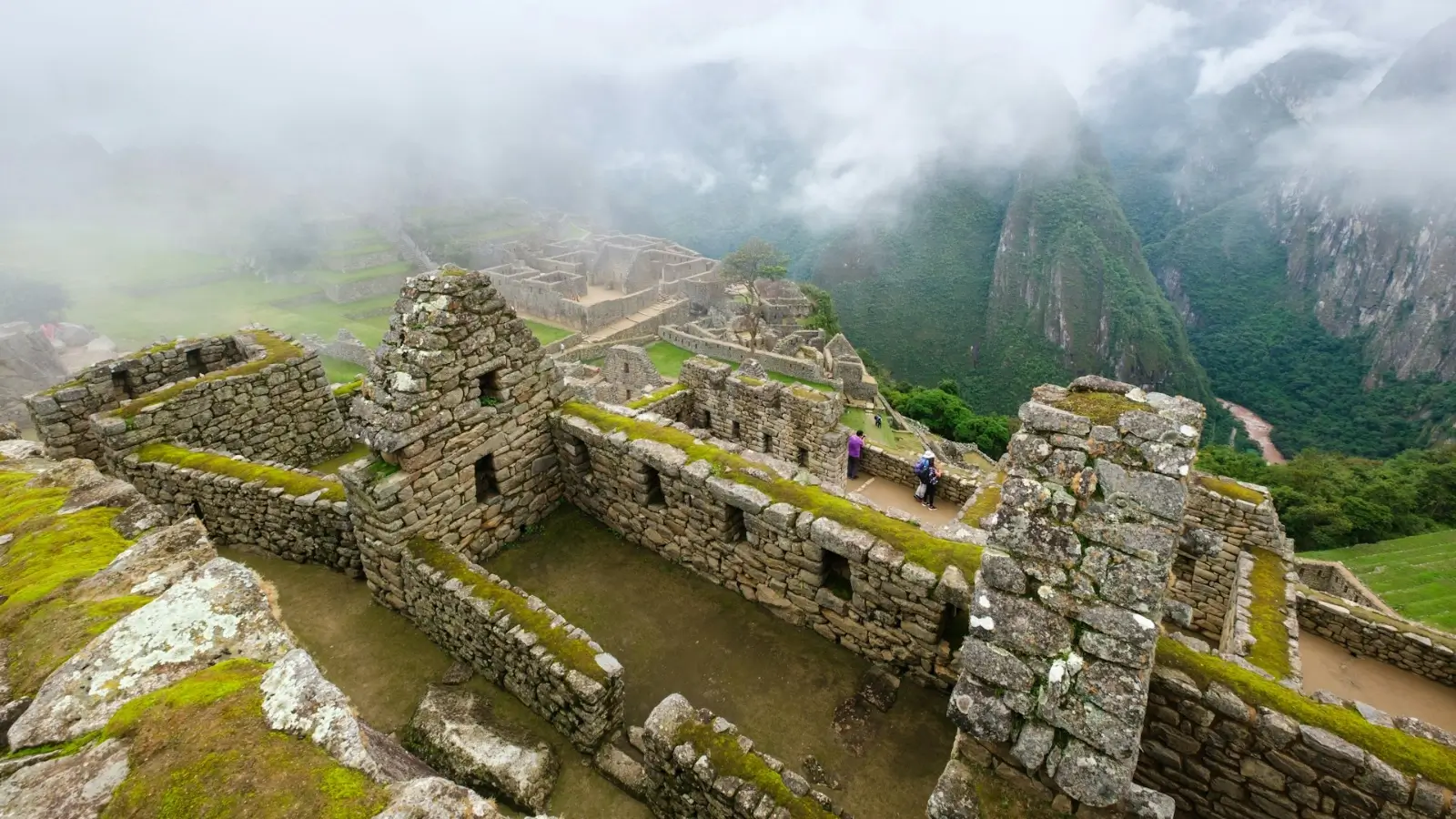
Peru does not try to impress you all at once. It reveals itself slowly, often in layers that do not seem connected until you step back and notice the pattern. One moment you are eating fresh ceviche on the coast. The next, you are watching clouds roll through a mountain valley where ancient stone walls still stand. Peru feels less like a single destination and more like a living archive that you can walk through.
That is what makes 2025 such a compelling moment to visit. Travelers are craving places that feel grounded, meaningful, and rich in story. Peru delivers that not by reinventing itself, but by letting visitors experience how history, culture, and landscape still interact every day. Planning a trip here is not just about choosing where to go. It is about deciding how deep you want to look.
This is also why interest in Machu Picchu tours continues to grow. Machu Picchu is not just a highlight. It is a gateway into understanding how Peru connects past and present in ways that feel surprisingly current.
A Country That Runs on Living Traditions
In many destinations, culture is something you observe. In Peru, it is something you participate in, often without realizing it. Markets are not staged for visitors. Festivals are not performances. They are part of daily life.
From weaving techniques passed down through generations to Quechua phrases still spoken in highland villages, tradition here is active rather than preserved behind glass. Travelers often find that their most memorable moments are not planned attractions, but shared meals, spontaneous music, or conversations with locals who see history as something ongoing.
This continuity makes Peru feel especially relevant in 2025. As people search for authentic experiences, Peru stands out as a place where culture has not been flattened or simplified. It still evolves on its own terms.
Landscapes That Change How You Measure Distance
Peru’s geography reshapes how travelers think about space. A short flight can take you from arid coastline to lush cloud forest. A single train ride can move you from a busy city into remote mountain terrain where time feels suspended.
The Andes dominate the country not just physically, but psychologically. They create natural pauses. You move slower. You breathe differently. You start paying attention to the relationship between altitude, weather, and daily routines. That awareness makes travel feel intentional rather than rushed.
Understanding how these landscapes influence life adds depth to every stop. Resources like National Geographic’s overview of Peru’s diverse geography help explain why the country supports such a wide range of ecosystems and cultures within its borders.
History You Can Still Touch
Peru’s past is not confined to museums. It is embedded in streets, terraces, and stone foundations that are still in use. In cities like Cusco, modern buildings sit directly on Inca walls. Daily life unfolds on top of centuries of engineering.
This closeness to history creates a different kind of connection. Visiting archaeological sites does not feel like stepping into something lost. It feels like encountering something that adapted and endured. Machu Picchu is the most famous example, but it is far from the only one.
Learning about the site’s significance through UNESCO’s detailed description of Machu Picchu as a World Heritage site adds valuable context to what travelers experience in person, highlighting why its preservation matters globally.
Food as a Reflection of Place
Peruvian cuisine has gained global attention, but eating in Peru itself tells a richer story. Ingredients are tied directly to altitude and climate. Corn varieties change from valley to valley. Potatoes appear in forms and colors that most visitors have never seen.
Meals become lessons in geography. Coastal dishes reflect the Pacific. Highland recipes rely on preservation methods developed long before refrigeration. Amazonian flavors introduce fruits and spices that rarely travel far beyond the region.
In 2025, food driven travel continues to grow, and Peru offers one of the most complete culinary narratives anywhere. You are not just tasting dishes. You are tasting adaptation.
Travel That Feels Personal, Not Packaged
One of the strongest reasons Peru belongs on every bucket list right now is how customizable the experience feels. You can hike for days or take scenic trains. You can focus on nature, history, food, or all three. The country supports different travel styles without losing its identity.
This flexibility matters as travelers move away from rigid itineraries. Peru allows for discovery. Plans change easily here, often for the better. A recommendation from a local can lead to an unexpected detour that becomes the highlight of the trip.
Why 2025 Is the Right Time
Peru enters 2025 with renewed energy and confidence in what it offers. Infrastructure improvements make travel smoother, while communities continue to protect what makes their regions distinct. The balance between access and authenticity feels especially strong right now.
For travelers seeking depth rather than spectacle, Peru offers something rare. It invites you to slow down, pay attention, and engage with a place that does not rush to explain itself.
That is why Peru should not just be on your bucket list. It should be near the top.