OpenAI Apps vs Traditional Software: What Developers Need to Know
— OpenAI Apps represent a shift in development where logic is prompted, not hard-coded—offering speed, flexibility, and a new kind of software thinking.
Software development has always evolved in waves. First came desktop applications, then web apps, then mobile-first everything. Now, developers are standing at the edge of another shift—one where intelligence is no longer hard-coded line by line, but learned, adapted, and generated in real time.
Enter OpenAI Apps.
If you’ve been building traditional software for years, this new model can feel both exciting and mildly unsettling. The rules aren’t gone, but they’re definitely changing. Logic is no longer just written—it’s prompted. Features aren’t always shipped—they emerge.
So what actually separates OpenAI Apps from traditional software, and what do developers really need to know before diving in? Let’s break it down without the hype, the doom, or the “this will replace everything by Tuesday” energy.
What We Mean by Traditional Software
Traditional software follows a familiar pattern. Developers define logic, write code to handle specific inputs, and ship features that behave in predictable ways. If a user clicks a button, something very specific happens—because you told it to.
This approach is powerful, reliable, and still absolutely necessary. Banking systems, operating systems, embedded software, and performance-critical applications depend on this level of determinism.
But traditional software also comes with limitations. Every edge case must be anticipated. Every new feature requires new code. And every unexpected user behavior becomes a bug ticket waiting to happen.
What Makes OpenAI Apps Different
Logic Is Less Rigid, More Adaptive
OpenAI Apps operate on a different philosophy. Instead of defining every rule explicitly, developers define intent, constraints, and context. The model handles interpretation.
Rather than writing thousands of lines of conditional logic, developers often write prompts, system instructions, and guardrails. The app becomes more conversational, more adaptive, and sometimes—let’s be honest—a little unpredictable.
That unpredictability isn’t a flaw. It’s a tradeoff.
Outputs Are Generated, Not Retrieved
Traditional software retrieves data or executes predefined actions. OpenAI Apps generate responses dynamically. Text, summaries, recommendations, explanations, even code snippets are created on demand.
For developers, this means thinking less about “what should the app say?” and more about “how should the app think within boundaries?”
It’s a mindset shift, and it takes time to get comfortable with.
Development Speed: Fast, But Not Effortless
Rapid Prototyping Is a Major Advantage
One clear win for OpenAI Apps is speed. Prototypes that once took weeks can now be built in days—or even hours. Need a chatbot, assistant, or content analysis tool? You’re no longer starting from zero.
This is especially appealing for startups and solo developers who want to validate ideas quickly without massive upfront engineering costs.
That said, fast doesn’t mean effortless.
Debugging Looks Different Now
In traditional software, bugs are usually logical errors. In OpenAI Apps, “bugs” might be vague outputs, hallucinations, or inconsistent responses.
You’re not just debugging code—you’re debugging behavior. That often means refining prompts, adjusting temperature settings, or adding fallback logic when the model gets creative at the wrong moment.
Yes, it’s a new kind of debugging. No, it doesn’t always come with clear error messages.
Control vs Flexibility
Determinism Still Matters
Traditional software excels at tasks that require strict control. If accuracy, compliance, or safety demand exact outcomes every time, classic approaches still win.
OpenAI Apps, by contrast, trade some control for flexibility. The outputs can vary. That variability is what allows them to handle natural language, nuance, and ambiguity—but it also requires safeguards.
Smart developers combine both worlds. AI handles interpretation and generation, while traditional code enforces rules, validation, and final decisions.
Guardrails Are Not Optional
One of the biggest mistakes developers make is assuming OpenAI Apps can run unattended. They can’t.
Rate limits, content filters, response validation, and human-in-the-loop workflows are essential. Treating an AI model like a deterministic API is a shortcut to production headaches.
Cost Structure Changes the Conversation
Usage-Based Instead of Feature-Based
Traditional software costs are often front-loaded. Development time, infrastructure, and maintenance dominate early budgets.
OpenAI Apps introduce ongoing usage-based costs. Every request has a price. That means developers must think about optimization earlier than they might be used to.
Caching, request batching, and thoughtful UX design suddenly matter a lot. Not every interaction needs to hit the model, even if it could.
Scaling Requires New Thinking
Scaling traditional software often means adding servers. Scaling OpenAI Apps means managing both infrastructure and model usage efficiently.
It’s not harder—but it is different.
Skill Sets Are Expanding, Not Disappearing
Despite dramatic headlines, OpenAI Apps don’t eliminate the need for developers. They change what developers focus on.
Prompt design, system architecture, ethical considerations, and user experience all become more important. Strong fundamentals in software engineering still matter—arguably more than ever.
The best OpenAI Apps are built by developers who understand both worlds: traditional software principles and AI-driven systems.
When Traditional Software Still Wins
Not everything needs AI. And forcing it where it doesn’t belong usually ends badly.
If an application requires exact calculations, strict workflows, or regulatory certainty, traditional software remains the better tool. AI can support these systems, but it shouldn’t replace their core logic.
Good developers don’t chase trends. They choose the right tool for the job—even if that tool is boring and predictable.
The Future Is Hybrid
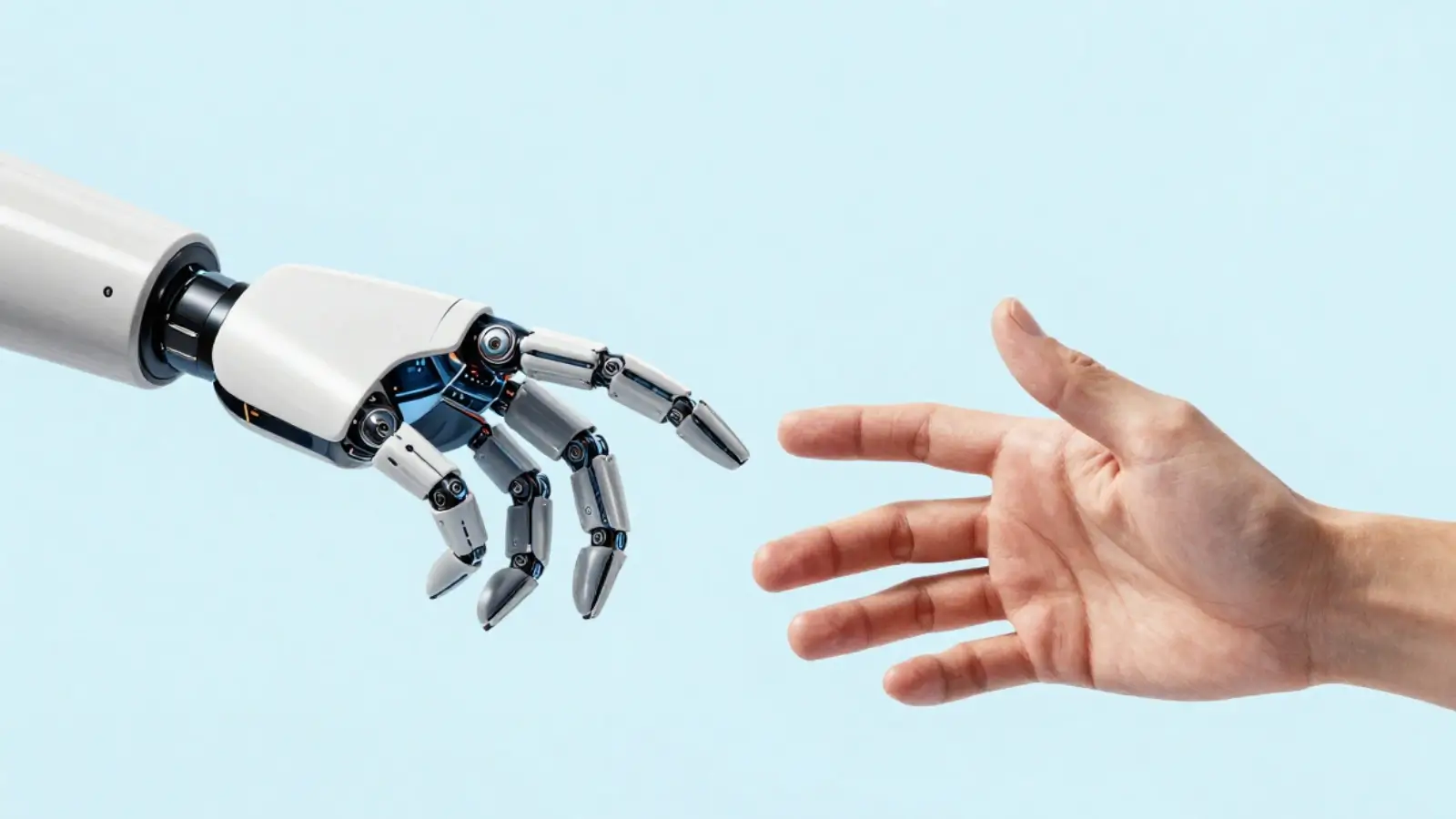
The real takeaway isn’t OpenAI Apps versus traditional software. It’s OpenAI Apps with traditional software.
AI handles ambiguity. Code handles certainty.
Together, they create systems that are more intuitive for users and more powerful for developers. That hybrid approach is where most production-ready applications are headed.
OpenAI Apps represent a genuine shift in how software can be built, but they don’t invalidate decades of development wisdom. They add a new layer—one that rewards clarity, restraint, and thoughtful design.
For developers, the opportunity isn’t about abandoning traditional software. It’s about expanding your toolkit.
Learn how OpenAI Apps behave. Understand their limits. Respect their strengths. And then combine them with the systems you already know how to build.
Because the future of development isn’t about choosing sides. It’s about knowing when—and how—to use both.