Planning Better Business Storage
— Good storage doesn't just hold things—it supports how your business operates day-to-day.
Planning better business storage sounds straightforward until you realise how quickly temporary solutions become permanent fixtures. The spare corner fills up, shelves multiply, and suddenly no one knows where anything lives anymore. Good storage doesn't just hold things, it supports how your business operates day-to-day. When it's done well, it saves time, reduces stress, and quietly makes everything run more smoothly. Before buying shelves or arranging a space, start with a purpose. What are you storing and why and where are you storing it?
Is it stock that needs to move quickly, equipment used occasionally, or important records that must be protected? The answers will shape everything from layout to access and even how much space you actually need. Storage is supposed to work for your workflow, not force your team to work around it.
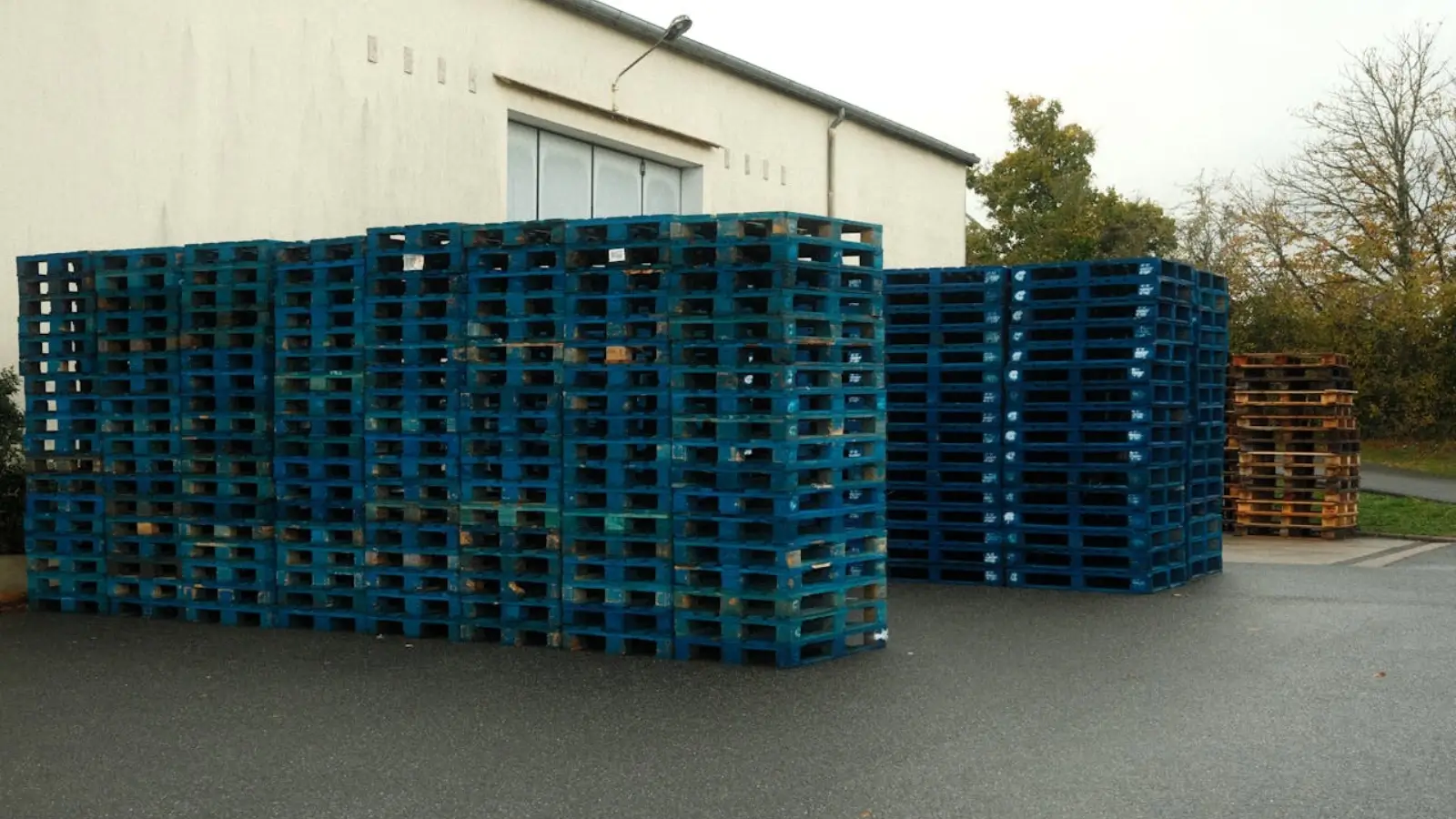
Location matters too. Storing items out of the way is a sensible thing to do until staff are walking across the building 10 times a day to retrieve them. Frequently used items should be easy to reach, while long term storage can live further back. Take time to observe how your team moves through your working space. The best storage plans follow real behaviour, not idealised diagrams. For businesses that need to store items outdoors or in semi exposed areas, weather protection becomes essential. Temporary solutions such as canopies rental can provide practical shelter for stock equipment or materials that aren't suited to full indoor storage. When used correctly, they help to shield items from sun, rain, and debris while maintaining easy access, which makes them a smart addition to a flexible business storage plan.
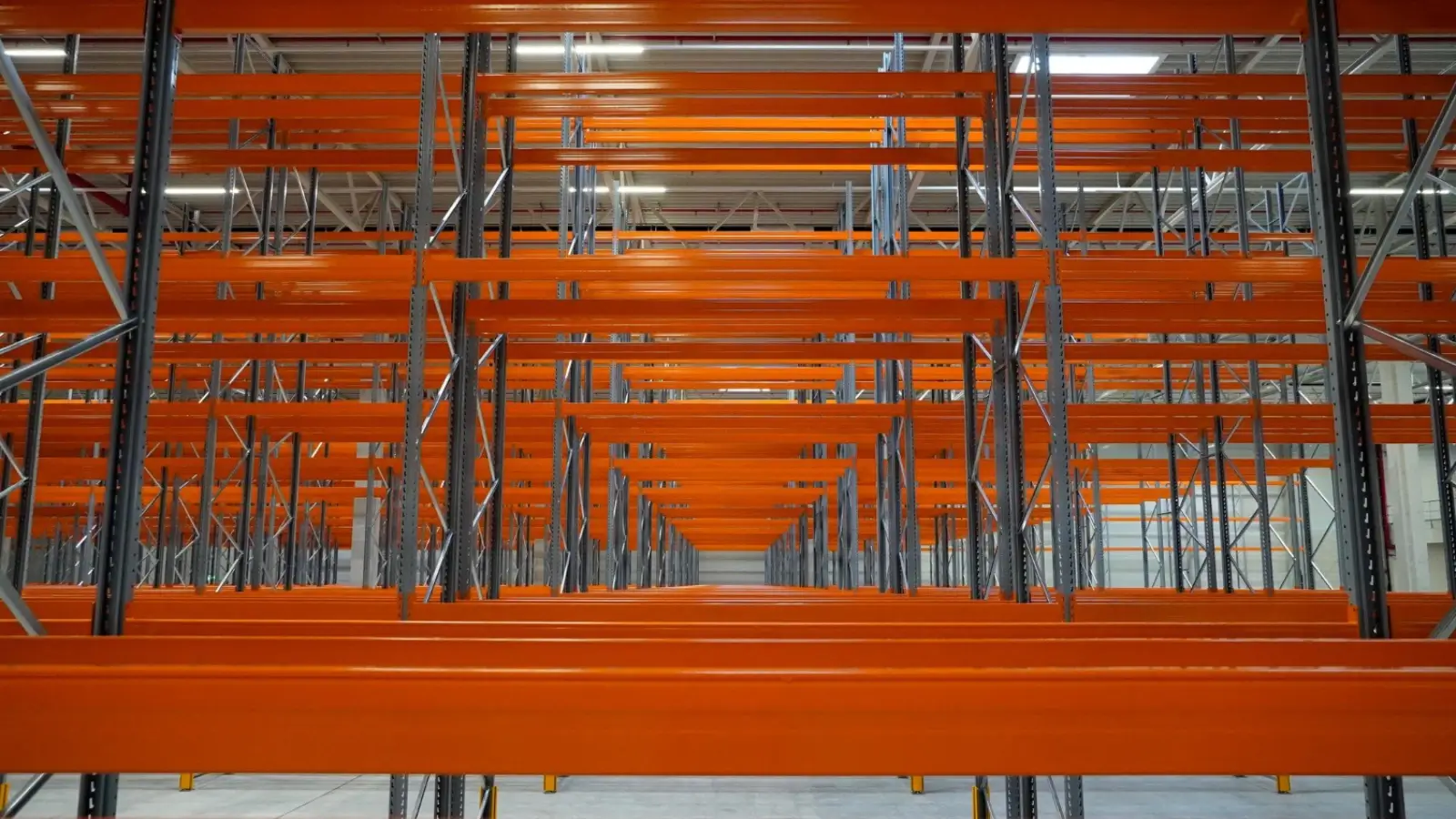
Structure, strong shelving, clear labeling and logical grouping make a bigger difference to the way your work flows. No matter the type of storage system you have, you need to plan better so it matches your business needs. Storage units should be suited to the weight, size and frequency of use of what they hold. Overloaded shelves and mismatched containers create safety risks and frustration, neither of which helps productivity.
Flexibility is another clear factor. Businesses change, sometimes quickly, and storage should be able to adapt without a complete overhaul. Modular systems, adjustable shelving and mobile units allow you to reconfigure as needs shift. Planning for growth now prevents clutter later. Organization is only effective if it's maintained, and clear categories, consistent naming, and simple rules about where things go keep storage from slipping back into chaos. If a system is not too complicated, it won't be used. The goal is clarity, not perfection. But also remember that good storage supports confidence. When your staff can find what they need without asking, when spaces feel calm instead of crowded, and when everything has a place it shows.
Planning better business storage isn't just about the space that you use. It's about making daily work easier, safer, and more efficient. When this happens, everybody notices, even if they can't quite put their finger on why.