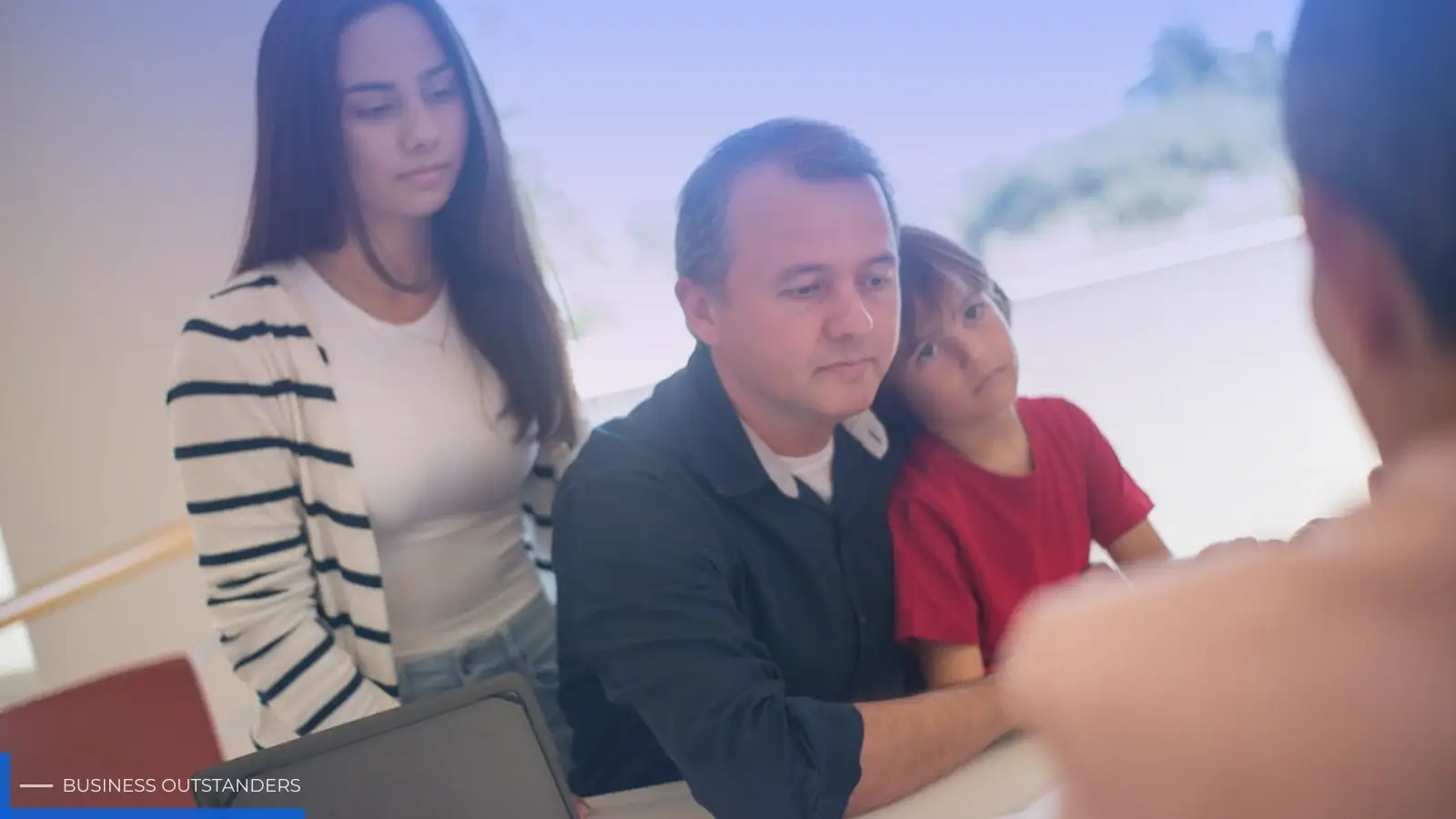
There is a moment after a pedestrian accident when everything feels unsteady, not just physically but mentally too, and many people quietly begin searching for answers while trying to heal. Somewhere in that early confusion, the phrase serious pedestrian crash lawyer in California often comes up during conversations or late-night research, usually because it becomes clear very quickly that these cases are not simple. Getting hit by a car while walking is not just another traffic incident, it is an event that can reshape a life in ways few people ever anticipate.
Why Pedestrian Accidents Hit Harder
Pedestrians have no protection. No airbags, no steel frame, no buffer between the body and thousands of pounds of moving metal. When a vehicle strikes a person, the injuries are often severe from the very start. Broken bones, head trauma, spinal injuries, internal damage, these are not uncommon outcomes.
Recovery is rarely straightforward. Hospital stays stretch on. Physical therapy becomes part of daily life. Some injuries never fully heal. This physical reality is the foundation of why pedestrian accident claims require a different legal approach. The law has to account for injuries that do not politely resolve themselves in a few months.
Fault Is Rarely as Obvious as It Seems
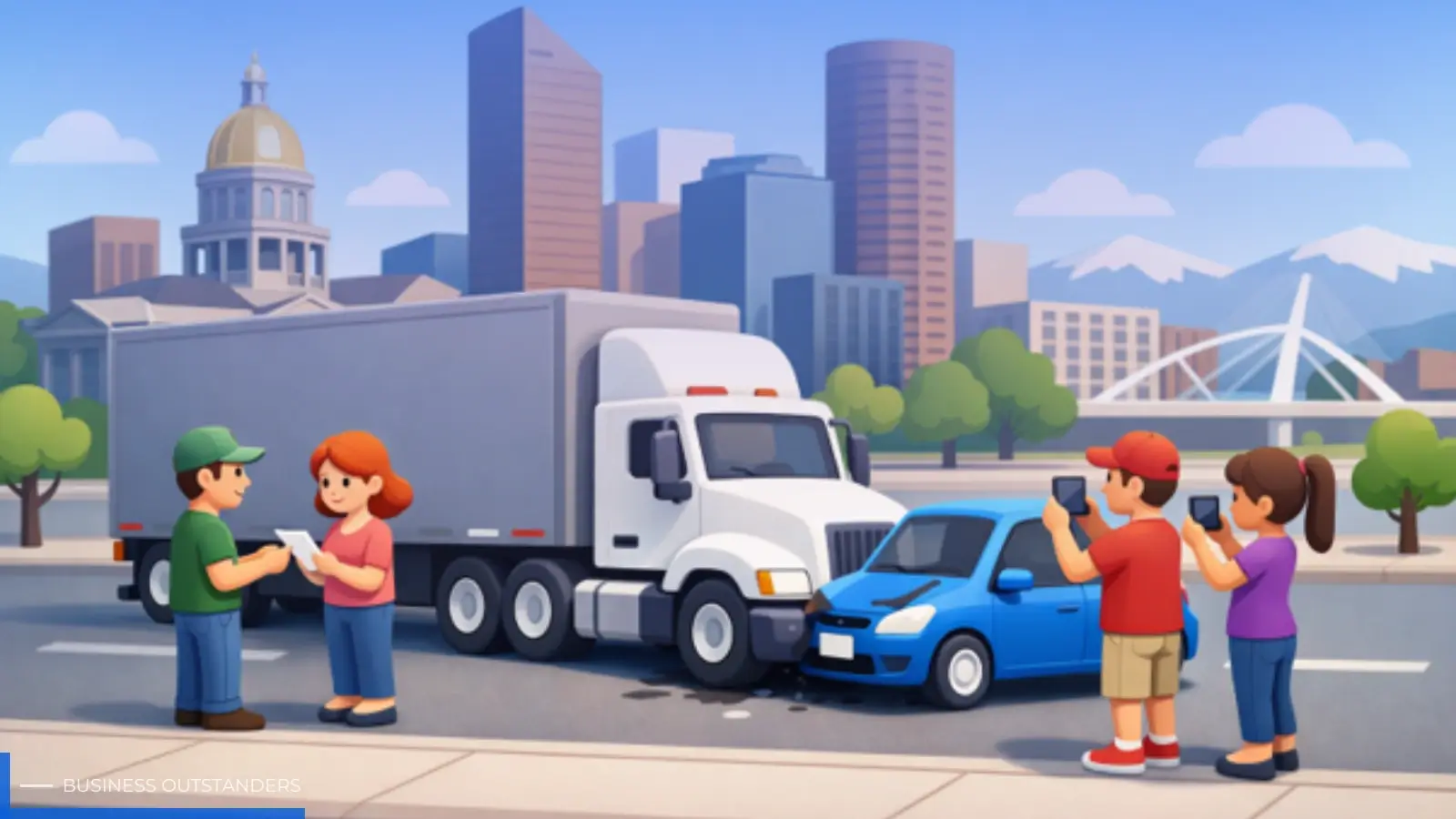
At first glance, it may seem obvious who caused the accident. A car hit a person, end of story. In reality, proving fault is often far more complicated. Drivers and insurance companies frequently argue that the pedestrian crossed outside a crosswalk, stepped into traffic unexpectedly, or ignored a signal.
Traffic laws for pedestrians are specific and nuanced. Right of way rules vary depending on location, signals, intersections, and even time of day. Surveillance footage, dash cams, traffic cameras, and witness statements often become critical pieces of the puzzle.
Without a thorough investigation, important details can be missed. Those missing details can shift blame unfairly and reduce compensation significantly.
The Role of Evidence in Pedestrian Claims
Evidence carries enormous weight in serious pedestrian accident cases. Medical records tell part of the story, but they are only one piece. Accident scene photos, vehicle damage reports, video recordings, and expert analysis help reconstruct what actually happened.
Timing matters here. Video footage may be erased within days. Witness memories fade quickly. Skid marks disappear. A case built too late often starts with gaps that insurance companies are quick to exploit.
An experienced legal team understands how to secure this evidence early, preserve it properly, and present it clearly. That preparation changes the trajectory of a claim from the very beginning.
Insurance Companies and the Blame Game
Insurance companies approach pedestrian accident claims with caution and skepticism. The financial exposure can be significant, especially when injuries are life-altering. As a result, insurers often look for reasons to limit responsibility.
Statements may be taken early, sometimes while the injured person is still recovering or medicated. Questions are framed carefully. Words are dissected later. Even casual remarks can be used to argue partial fault.
This is where experience matters. Knowing when to speak, what to share, and how to protect the integrity of a claim is not intuitive. It is learned through handling cases where the stakes are high and the tactics are familiar.
Long-Term Medical Needs Are Often Underestimated
One of the biggest challenges in pedestrian accident cases is accurately valuing long-term medical needs. Initial treatment costs are easy to see. Future care is harder to predict but just as important.
Ongoing physical therapy, future surgeries, mobility aids, home modifications, pain management, and mental health care all come into play. Some injuries limit the ability to work, either temporarily or permanently, creating long-term income loss.
Compensation must reflect not only current expenses but what life will realistically require years down the road. Underestimating these needs can leave injured pedestrians struggling long after a settlement is reached.
When Pedestrian Laws Intersect With Local Rules
Pedestrian accident claims are deeply tied to local and state traffic laws. California, for example, has specific statutes governing crosswalks, unmarked intersections, turning vehicles, and pedestrian duties.
Understanding how these laws apply to a specific accident requires careful analysis. A single detail, such as whether a crosswalk was marked or unmarked, can change how fault is assessed.
This legal complexity is one of the reasons general personal injury approaches often fall short. Pedestrian cases live in a legal gray area where details matter more than assumptions.
Pain and Suffering Are Not Abstract Concepts
Beyond medical bills and lost wages lies another category of damage that is harder to measure but deeply personal. Pain, emotional distress, loss of independence, and changes to daily life all deserve recognition.
Serious pedestrian injuries can lead to chronic pain, anxiety about walking near traffic, sleep disruption, and loss of enjoyment in activities that once felt normal. These experiences are real, even if they do not come with invoices.
Effectively communicating this human impact requires more than numbers. It requires storytelling supported by evidence, consistency, and credibility.
Why Experience Shapes Negotiation Outcomes
Negotiation in serious pedestrian accident cases is not about quick resolutions. It is about leverage, preparation, and timing. Insurance companies assess risk carefully. They respond differently when they know a claim is backed by detailed evidence and a willingness to litigate if necessary.
An experienced lawyer understands how to present a case in a way that signals seriousness. Demand packages are thorough. Expert opinions are lined up. Weak points are addressed before they are challenged.
This approach often leads to stronger settlement offers because insurers recognize the cost of continuing to fight.
Self-Representation Often Comes at a Cost
Handling a serious pedestrian accident claim alone may seem tempting, especially when medical bills are piling up. Unfortunately, self-representation often leads to undervalued settlements and missed opportunities.
The legal system is not designed to be intuitive. Deadlines are strict. Procedures are unforgiving. Insurance adjusters are trained professionals whose job is to protect their company’s bottom line.
Even highly capable individuals can find themselves outmatched without legal support, especially when dealing with complex injuries and disputed fault.
Timing Can Shape the Entire Case
When legal help enters the picture matters almost as much as who provides it. Early involvement allows for better evidence preservation, clearer documentation, and stronger strategic planning.
Waiting too long can limit options. Once evidence disappears or statements are recorded without guidance, it becomes harder to correct the course.
Proactive action gives injured pedestrians more control during a time when everything else may feel uncertain.
A Process Built Around Recovery
The legal process should support recovery, not add to the stress. Clear communication, realistic expectations, and steady progress help injured pedestrians focus on healing while their case moves forward.
Trust builds when clients understand what is happening and why. Transparency matters. No one benefits from surprises in cases this serious.
The goal is not just compensation, it is stability, security, and a path forward that accounts for the full impact of the accident.
Looking Ahead With Clarity
Serious pedestrian accidents leave lasting marks, both seen and unseen. Navigating the legal side of recovery requires patience, knowledge, and advocacy that matches the complexity of the situation.
Understanding why these cases demand specialized attention helps injured pedestrians make informed choices. The right approach does not erase what happened, but it can protect what comes next.
When lives are disrupted in an instant, careful legal guidance becomes more than a service, it becomes a safeguard for the future.
Business Outstanders brings you sharp insights on tech, business, entrepreneurship, law, crypto, and more. We uncover what’s next. Stay updated, sign up for our newsletter and be part of the future!