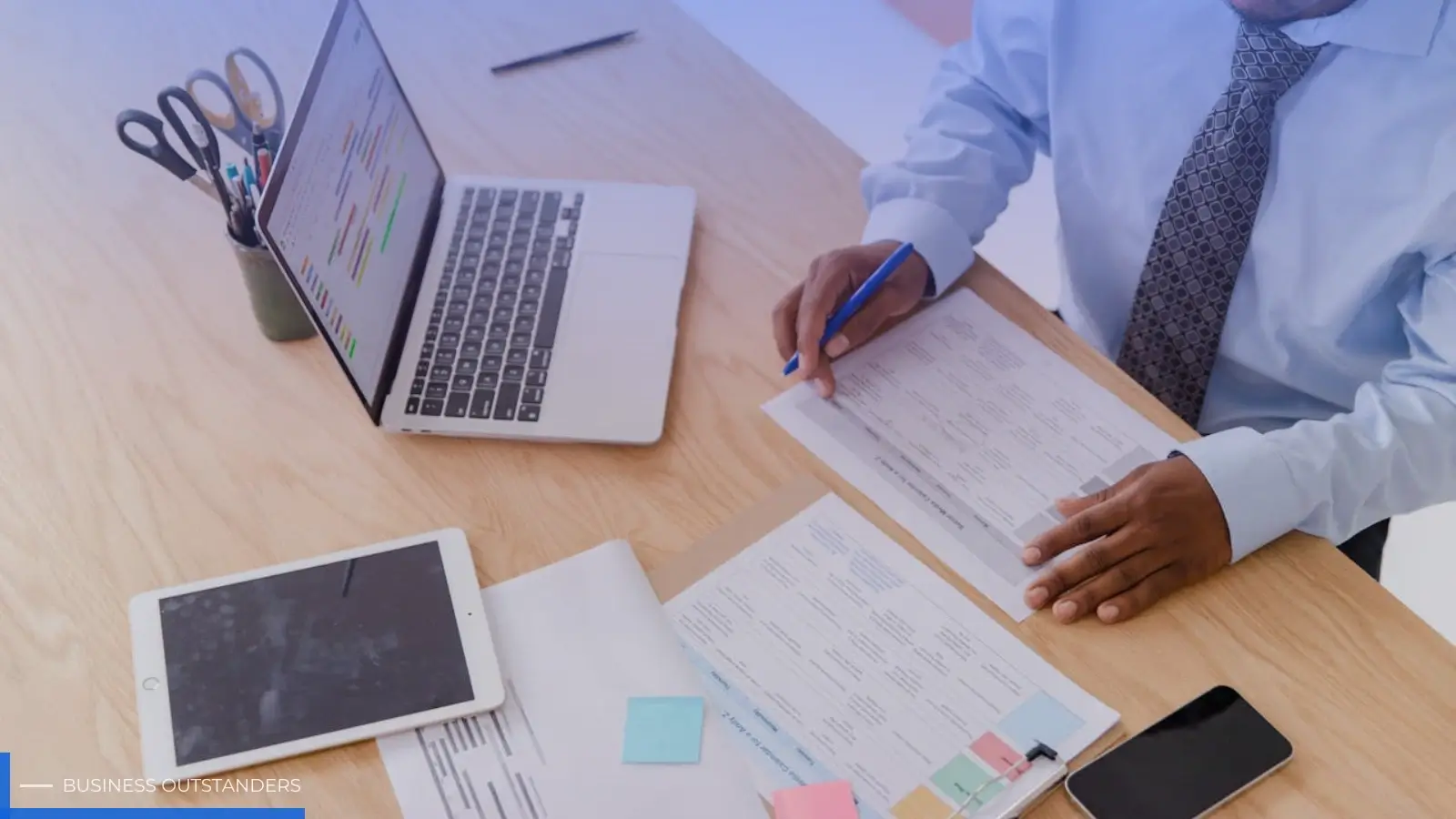
Manual work in lease administration usually does not come from one big problem. It comes from dozens of small repetitive tasks: re-entering contract data, chasing approvals, updating payment schedules, creating invoices, tracking renewals, checking compliance dates, and pulling reports from multiple systems. Over time, that admin burden slows teams down, increases the risk of errors, and makes it harder to scale the lease portfolio without adding headcount. That is why many leasing businesses look to automation and centralized lease platforms to reduce manual work and improve consistency. Centralized lease systems are commonly recommended because they cut confusion, improve data access, and reduce mistakes caused by scattered records.
The first step is to identify where manual effort is being repeated unnecessarily. In most lease operations, the biggest time drains are contract administration, billing, amendments, renewals, and compliance tracking. When these processes depend on spreadsheets, emails, and disconnected documents, staff spend more time coordinating work than actually completing it. Manual lease management is widely associated with missed deadlines, duplicated effort, and higher error rates, while automation helps standardize workflows and keep tasks moving without constant intervention.
One of the most effective ways to reduce manual work is to centralize lease data. When contract terms, key dates, asset details, invoices, payment history, and customer records all sit in one system, teams do not need to search across folders, inboxes, and separate tools to understand what is happening. A centralized platform also makes it easier to keep everyone aligned, because sales, operations, finance, and management are all working from the same source of truth. Industry guidance consistently points to centralized lease data as one of the biggest drivers of time savings and accuracy improvement in lease administration.
Automation is the next layer. A good lease administration system should handle recurring and rules-based tasks automatically, especially where the work is repetitive and predictable. That includes generating invoices, updating payment schedules, applying charges, sending reminders, tracking compliance deadlines, and supporting renewals or amendments. These are the kinds of tasks that consume hours when handled manually but can be processed much faster through software. Automated workflows are widely highlighted as one of the clearest advantages of lease management software because they reduce human error and free staff to focus on exceptions rather than routine administration.
Another important way to reduce manual effort is to use templates and standardized workflows. Lease administration becomes inefficient when every contract, approval path, or pricing structure is handled from scratch. Standard templates for agreements, service packages, billing rules, and approval flows make the process more repeatable and easier to manage. This matters especially for growing leasing companies, because scaling a portfolio is much harder when each new deal requires custom handling.
This is where SOFT4Leasing becomes especially relevant. SOFT4Leasing positions itself as a platform that streamlines contract administration, payments, and compliance while automating key processes to reduce manual work and improve efficiency. Its core product pages describe automation across the lease lifecycle, including contracts, maintenance, billing, and compliance.
For lease administration specifically, SOFT4Leasing highlights automation of contract creation, amendments, renewals, billing, and compliance tasks, along with support for flexible leasing models in one system. Its equipment leasing materials also state that the platform streamlines contract administration, approvals, renewals, and amendments while automating invoicing, payments, dunning, and compliance tracking to cut manual work.
In practical terms, that means less re-keying of information, fewer manual billing adjustments, fewer missed dates, and less time spent reconciling contract changes across departments. Instead of relying on spreadsheets and email chains, teams can manage lease operations inside one workflow where data, approvals, and financial actions stay connected. That kind of structure is especially useful for businesses trying to grow without adding operational complexity.
Reducing manual work in lease administration is ultimately about making the process repeatable, visible, and system-driven. Centralized data removes the confusion of scattered records. Automation eliminates repetitive tasks. Templates and workflows create consistency. And when those pieces come together in a platform like SOFT4Leasing, lease administration becomes less about chasing paperwork and more about managing the portfolio efficiently. For leasing companies that want to save time, reduce errors, and improve control, that is usually where the biggest gains come from.
Business Outstanders brings you sharp insights on tech, business, entrepreneurship, law, crypto, and more. We uncover what’s next. Stay updated, sign up for our newsletter and be part of the future!