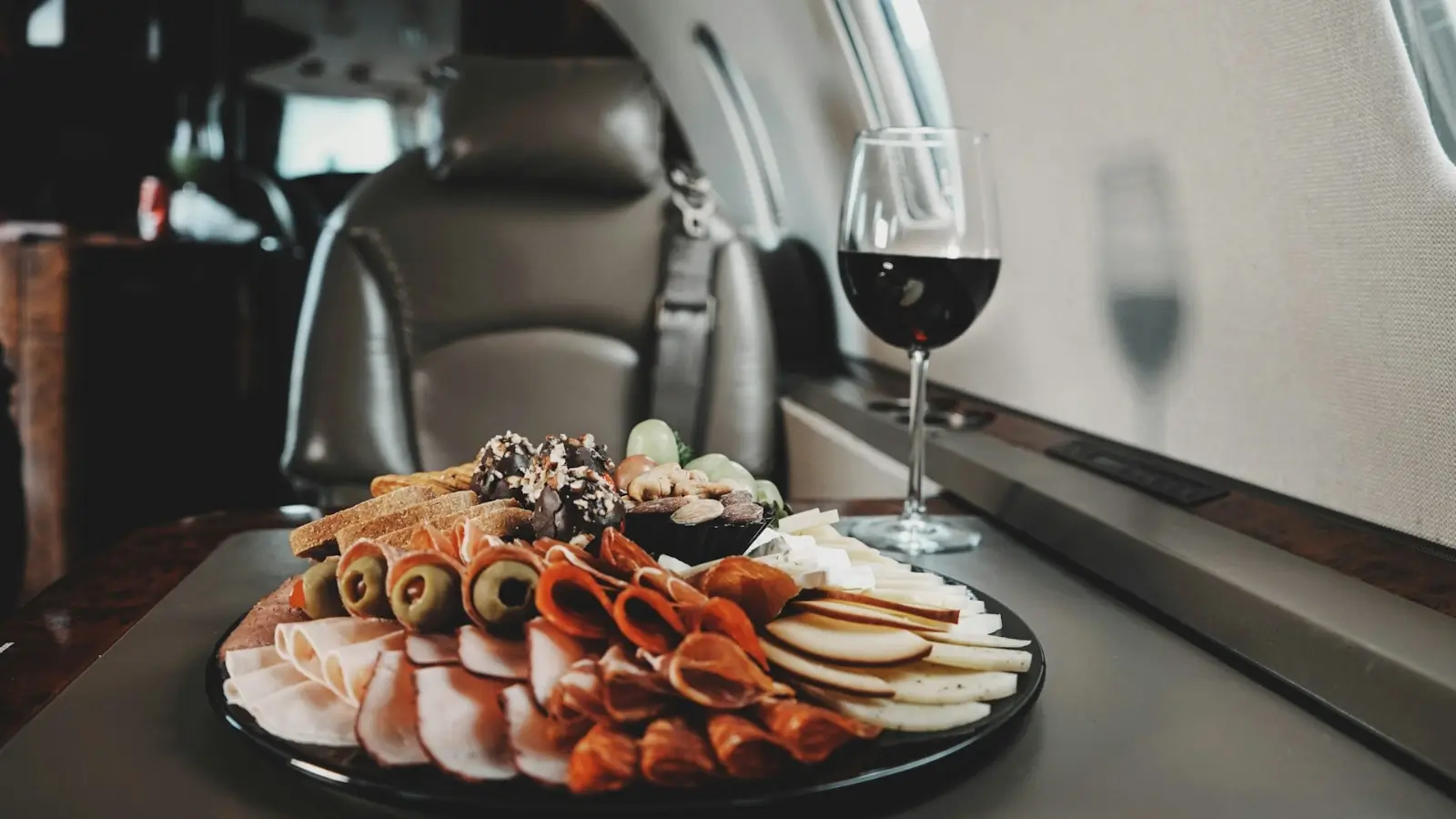
Food safety is one of the most defining pillars of luxury air travel—yet it is often the least visible to passengers. When guests step onto a private jet, they expect exceptional comfort, personalized menus, gourmet experiences, and flawless service. But behind every perfectly plated dish is an uncompromising commitment to health, hygiene, and safety. In the world of private aviation food services, food safety standards don’t just match those on the ground—they exceed them.
Premium inflight catering providers operate within tight timelines, controlled environments, and high-altitude challenges that demand even greater precision. For high-net-worth travelers, business leaders, and VIP clients, food safety isn't just a procedural requirement—it’s an essential component of trusted luxury.
This article explores why food safety sits at the core of premium private jet catering, how it’s implemented, and what sets industry-leading providers apart.
Why Food Safety Is Non-Negotiable in Private Jet Travel
Unlike commercial airlines with large catering units and standardized processes, private jets require hyper-customized meals, often prepared on short notice and tailored to unique dietary restrictions. This flexibility increases the need for rigorous food safety management.
Small Cabin, High Expectations
Private jets have limited onboard storage, compact galleys, and refined service expectations. Food must remain fresh, safe, and appetizing throughout the journey—without relying on large refrigeration units or mass-production systems.
Personalized Menus Require Higher Controls
Each passenger may request specific dishes: vegan, keto, gluten-free, diabetic-friendly, halal, or allergen-free. Handling these requests requires exceptional care, separation of ingredients, and strict prevention of cross-contamination.
Remote Destinations Add Complexity
Private jets frequently fly to destinations without established catering systems. In such cases, premium private aviation food services must source ingredients, pack meals, and ensure complete cold-chain integrity regardless of the airport’s local infrastructure.
In short, food safety is the foundation upon which the entire luxury dining experience is built.
The Multi-Layered Food Safety Protocols Used in Private Jet Catering
1. HACCP-Driven Kitchens
Leading catering partners follow the Hazard Analysis Critical Control Points (HACCP) system—one of the world’s most stringent food safety frameworks. This ensures:
-
Safe ingredient handling
-
Clean, contamination-free preparation
-
Temperature control across all stages
-
Routine audits and documentation
Every ingredient is monitored from receipt to dispatch.
2. Strict Cold-Chain Management
Temperature control is the single most important factor in preventing foodborne illnesses at altitude.
Reputable inflight catering providers maintain:
-
Refrigeration between 0–5°C for cold foods
-
Freezing below –18°C
-
Hot food holding temperatures above 63°C
Meals are transported in insulated, tamper-proof containers to retain temperature until they are safely loaded onto the aircraft.
3. Allergen & Dietary Safety Protocols
Modern private jet travelers often have strict lifestyle diets or medical dietary restrictions. Catering teams follow:
-
Dedicated preparation zones
-
Color-coded utensils
-
Sealed packaging for allergen-free items
-
Verified ingredient sourcing
This ensures zero risk of cross-contamination, even in complex menus.
4. Sterile, High-Hygiene Preparation Areas
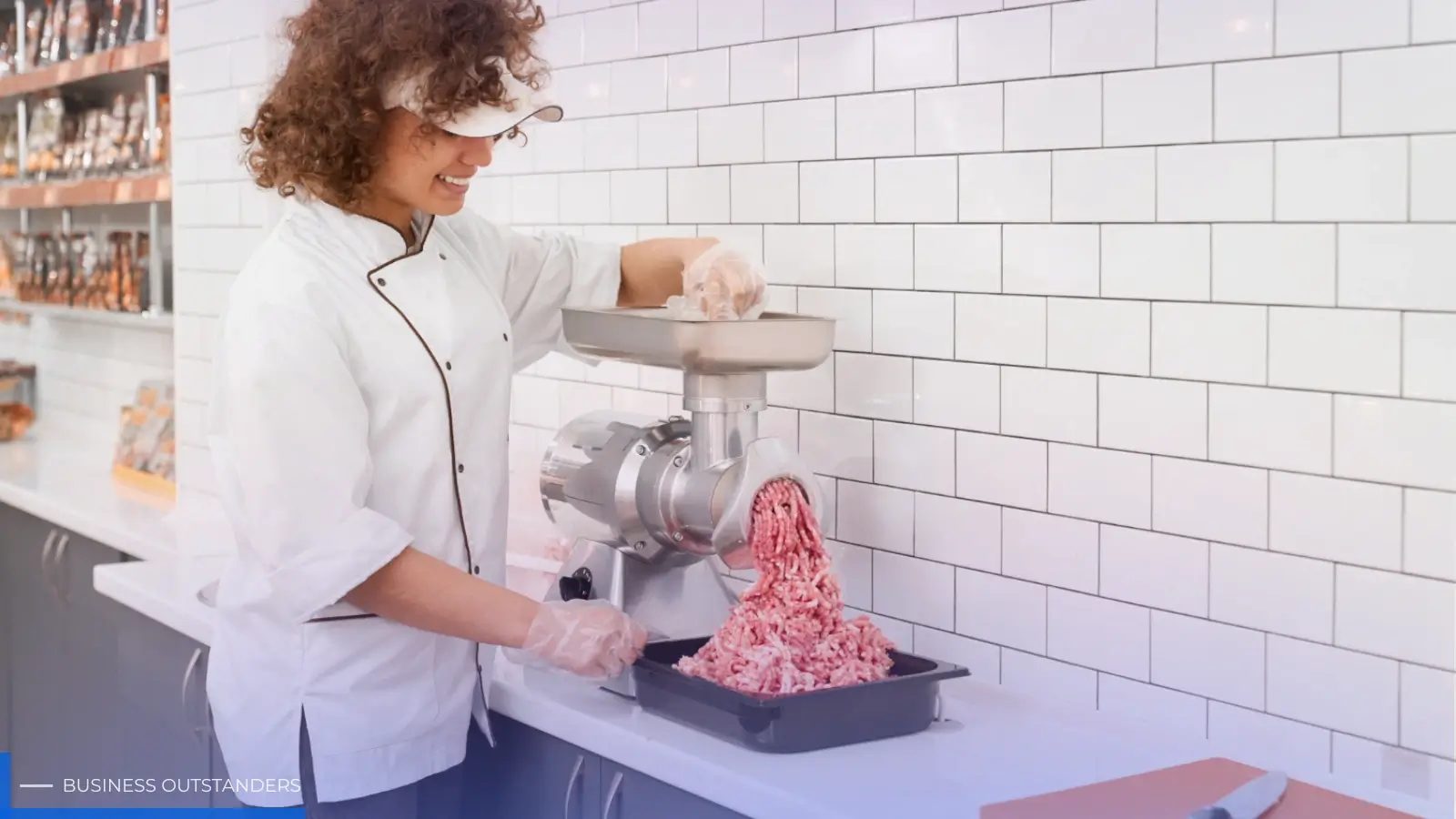
Premium private jet kitchens maintain hospital-grade cleaning standards:
-
Stainless-steel preparation surfaces
-
UV sterilization systems
-
Hourly sanitization
-
Air purification units to remove airborne contaminants
Staff undergo rigorous hygiene training and wear protective gear at all times.
5. Microbiological Testing
To guarantee freshness, many providers perform laboratory tests on ingredients and finished dishes. This includes:
-
Pathogen detection
-
Yeast & mold analysis
-
Shelf-life validation
These checks reinforce the safety of every item served onboard.
Onboard Food Safety: The Final Step Before Service
Once food reaches the jet, the crew plays a vital role in maintaining safety during storage, reheating, and plating.
Temperature Awareness
Crew members are trained to:
-
Store meals immediately in onboard refrigeration
-
Reheat meals to safe serving temperatures
-
Avoid leaving food exposed
This prevents bacteria growth in the compact jet environment.
Proper Handling & Plating
In luxury aviation, presentation matters—yet safety must always come first.
Cabin crew follow guidelines to:
-
Use sanitized tongs and gloves
-
Keep raw and cooked foods separate
-
Avoid refreezing or reusing items
-
Plate dishes only when passengers are ready to dine
Every step is deliberate and aligned with safety best practices.
Ingredient Traceability & Premium Sourcing
Premium private jet catering is built on the philosophy that exceptional dining begins with exceptional ingredients.
To maintain safety, suppliers ensure:
-
100% traceability of ingredients
-
Organic, sustainable, and certified-fresh products
-
Farm-to-table sourcing wherever possible
-
Approved international vendors
This allows passengers to enjoy world-class cuisine without compromising their wellbeing.
Safe Handling of High-Risk Luxury Foods
Private jet travelers often request high-risk gourmet items such as:
-
Sushi & sashimi
-
Rare meats
-
Fresh seafood
-
Soft cheeses
-
Raw salads
-
Cold desserts
These items require precision storage, rapid preparation, and expert packaging. Caterers often use flash-freezing, vacuum-sealing, and modified atmosphere storage to preserve freshness while eliminating microbial risks.
Crew Training: The Backbone of Food Safety
Even the safest meal becomes unsafe if mishandled onboard.
Cabin crew undergo specialized training in areas such as:
-
Foodborne illness prevention
-
Allergen safety
-
Proper reheating techniques
-
Cross-contamination avoidance
-
Safe disposal of leftovers
This ensures that the standards set in the kitchen are maintained in the air.
Technology’s Role in Elevating Food Safety in Private Aviation
Modern private aviation food services are adopting innovative tools to improve accuracy and safety:
-
IoT temperature sensors
-
Digital HACCP logs
-
AI-powered food traceability platforms
-
Smart packaging with freshness indicators
-
Cloud-based ingredient tracking
These technologies enable real-time monitoring throughout the food’s journey.
Why Food Safety Enhances the Luxury Experience
In premium aviation, luxury isn’t just about gourmet flavors—it’s about trust. Passengers feel valued when they know every meal is prepared with meticulous care and uncompromising standards.
Food safety ensures:
-
Fresh, flavorful dishes
-
Confidence in allergen-free meals
-
Peace of mind on long-haul flights
-
A seamless, enjoyable dining experience
When safety is prioritized, every bite becomes part of a flawless journey.
Conclusion
Food safety is the heart of luxury inflight catering. While passengers enjoy beautifully crafted meals, the process behind the scenes is a sophisticated blend of hygiene, precision, technology, and expertise. From ingredient sourcing to onboard plating, every step reflects the commitment of premium private aviation food services to deliver exceptional quality while protecting passenger health.
In private aviation, food safety isn’t just a requirement—it’s an experience-enhancer, a trust builder, and a defining standard of elite travel.
Business Outstanders brings you sharp insights on tech, business, entrepreneurship, law, crypto, and more. We uncover what’s next. Stay updated, sign up for our newsletter and be part of the future!