Speed to market determines success or failure for many food products. A great idea that takes two years to launch might face five competitors by the time it hits shelves. Market windows close fast, especially in trending categories like plant-based foods, functional beverages, or better-for-you snacks. Contract food manufacturing accelerates time to market significantly by eliminating the facility buildout phase, providing immediate access to production expertise, and offering flexible scaling that matches demand as it develops. Brands can move from approved recipe to retail-ready product in weeks or months instead of the year-plus timeline typical of building production capacity from scratch.
Eliminating Infrastructure Delays
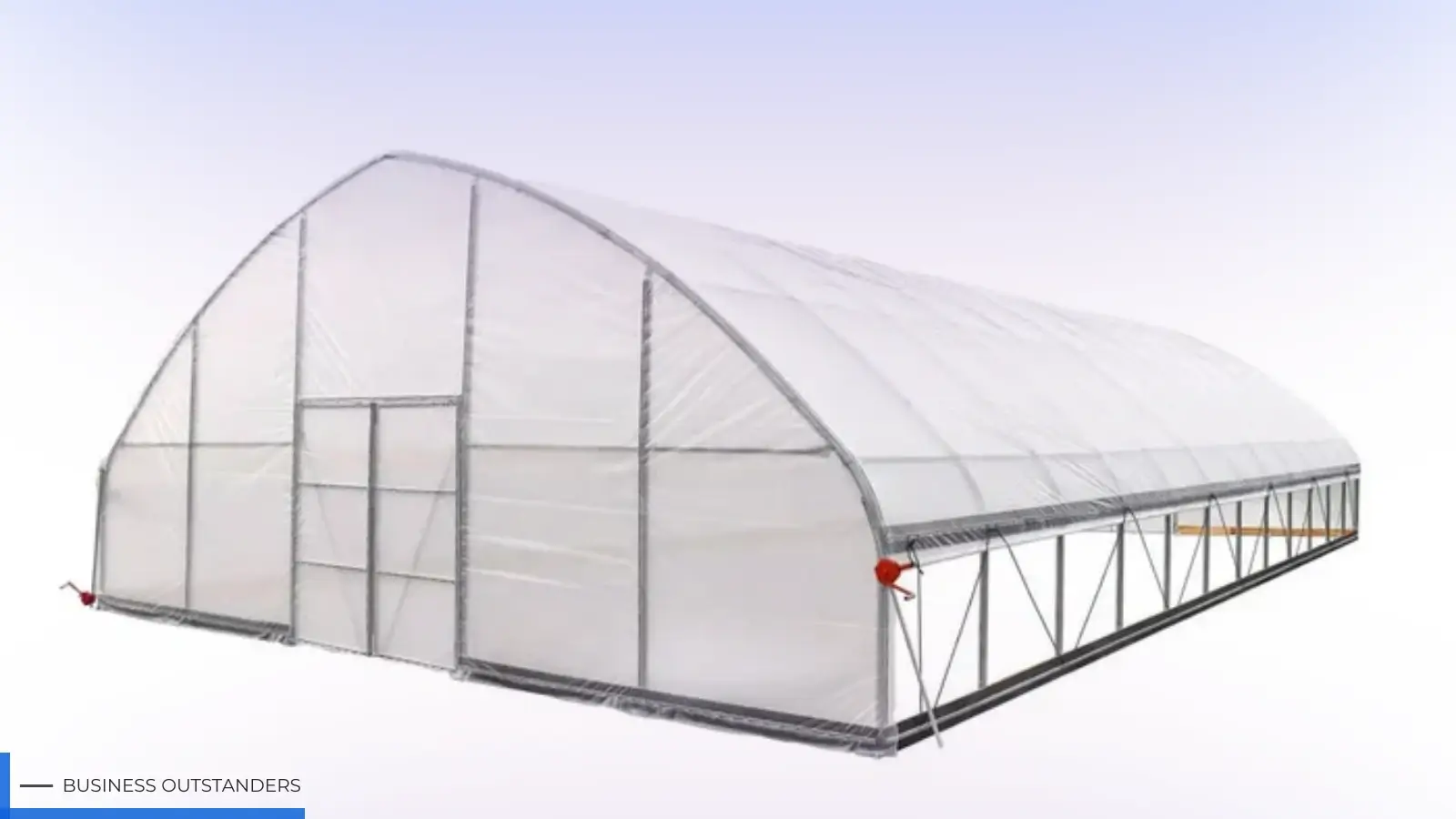
Facility construction and equipment installation timelines stretch way longer than most entrepreneurs expect. Finding suitable real estate, getting permits, designing layouts, installing equipment, and passing inspections easily takes 18 to 24 months. Add in financing delays and construction problems, and three years isn't uncommon.
Equipment lead times create additional bottlenecks. Specialized processing equipment often has 6 to 12-month delivery windows. Custom fabrication adds more time. Then factor in installation, testing, and operator training before production actually starts.
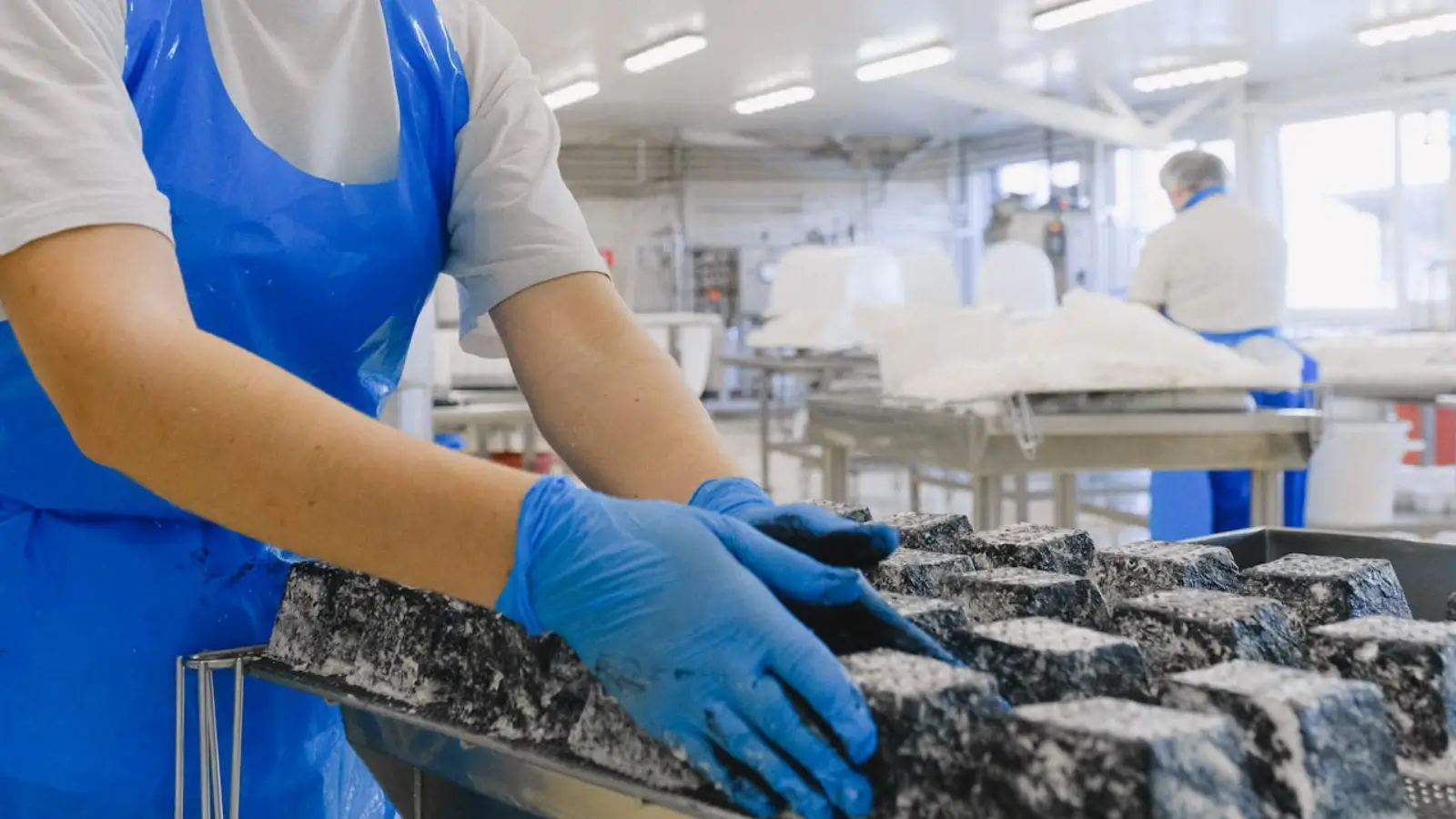
Contract manufacturers already have functional facilities with tested equipment and trained staff. A brand with a finished recipe can literally start production within weeks of signing an agreement. This immediate capacity access compresses what would be years of preparation into minimal time.
Accelerated Product Development Cycles
In-house food scientists and process engineers speed formulation development significantly. They've solved similar challenges across hundreds of products and know what works at production scale. A protein bar that seems perfect in kitchen testing might fall apart during commercial processing. Experienced technologists identify and fix these issues quickly.
Rapid prototyping capability lets brands test multiple formulations faster. Instead of making small batches at home, then waiting to arrange pilot production, brands can iterate through variations quickly with manufacturer support. Testing five variations in two weeks beats spending two months on sequential kitchen trials.
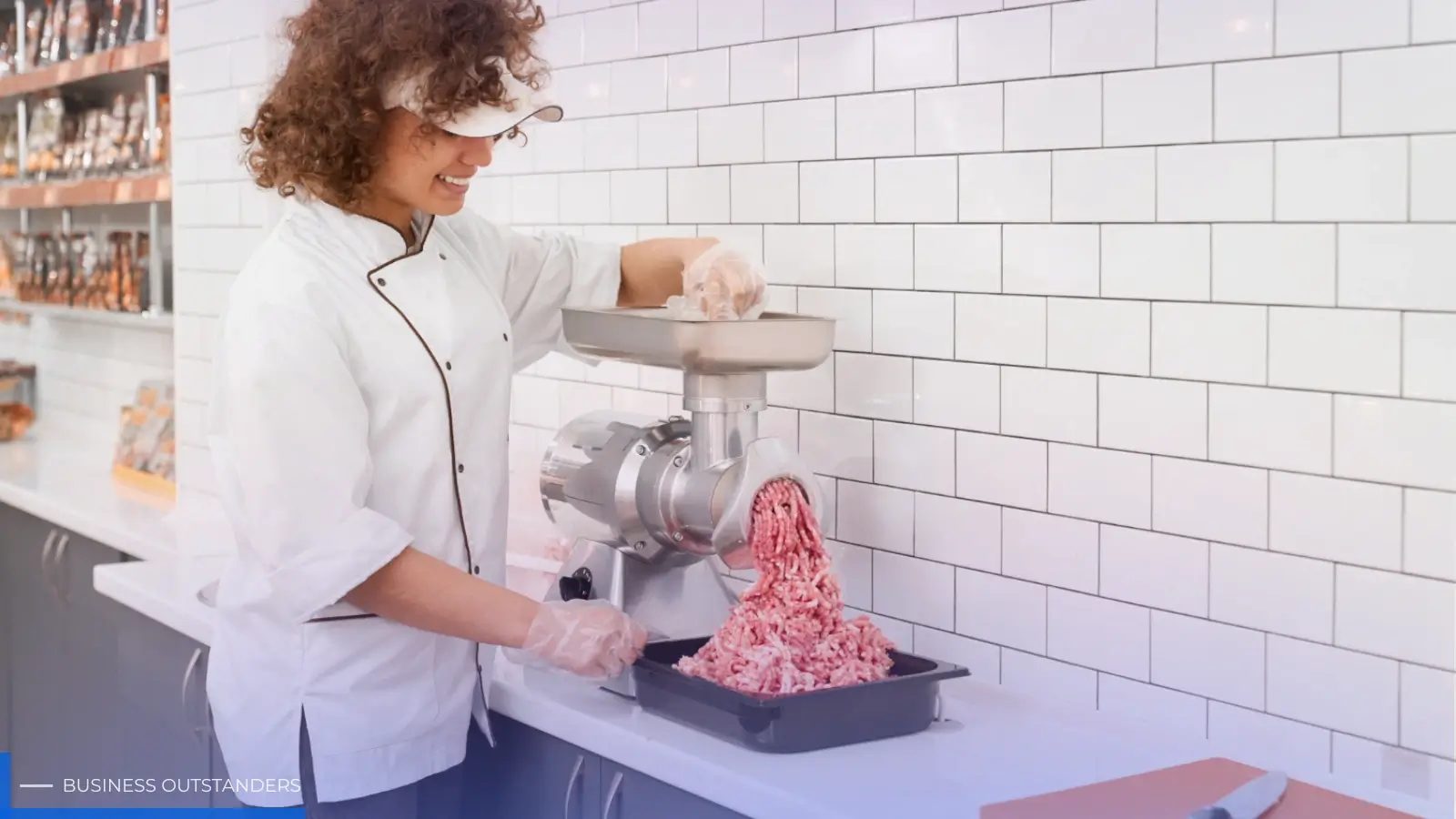
Equipment familiarity eliminates guesswork about production feasibility. Home kitchens and commercial facilities use completely different equipment. A recipe requiring specific mixing speeds, holding temperatures, or processing times needs equipment capable of delivering those parameters. Manufacturers know their equipment capabilities and can assess recipe compatibility immediately.
Regulatory Streamlining
Existing facility certifications eliminate months from the compliance timeline. A manufacturer with current HACCP, SQF, or organic certifications provides brands with instant access to these credentials. Getting certified independently requires documentation development, staff training, system implementation, and audit scheduling that consumes six to twelve months minimum.
Label review and approval processes benefit from manufacturer experience. Nutrition panels, ingredient statements, allergen warnings, and regulatory claims all require precise formatting and accurate information. Mistakes trigger costly reprints and delay launches. Manufacturers who review hundreds of labels annually catch errors before printing.
Testing protocols and documentation systems are already established. Every ingredient, production run, and finished product requires specific testing and record-keeping. Building these systems from nothing takes substantial time. Using existing systems means production can start immediately with compliant documentation.
Flexible Market Testing
Small initial production runs let brands test market response without huge commitments. Making 1,000 units to trial in select stores provides real sales data with minimal financial risk. If the product doesn't resonate, brands can reformulate or pivot without losing massive production investments.
Geographic expansion becomes more manageable. A product succeeding in Melbourne might expand to Sydney, then Brisbane, then nationally. Contract manufacturers can scale production incrementally to match expanding distribution. This phased approach conserves cash and reduces risk compared to building national capacity immediately.
Seasonal or limited-edition products make sense financially. A holiday-specific item or limited flavor run might need production for just two or three months. Building dedicated capacity for short-term products never makes sense, but contract manufacturing handles these situations easily.
Rapid Response to Opportunities
Retailer opportunities often require fast action. Landing shelf space at a major grocery chain typically comes with volume commitments and quick turnaround expectations. Having production capacity ready means brands can say yes to opportunities instead of losing them to competitors with better supply chain readiness.
Trend capitalization requires speed. When a ingredient trend emerges or a new diet approach gains popularity, brands need to launch relevant products quickly before the market saturates. The ability to formulate, test, and produce within months instead of years makes the difference between being a category leader or a late entrant.
Production problem resolution happens faster with experienced partners. Equipment malfunctions, ingredient supply disruptions, or quality issues will occur. Manufacturers with backup systems, alternative suppliers, and troubleshooting experience resolve problems in days instead of the weeks or months an inexperienced brand would need.
Partnership Benefits Beyond Production
Supply chain coordination extends beyond manufacturing. Ingredient sourcing, packaging supplier relationships, and logistics coordination all affect speed to market. Established manufacturers have vendor networks and can often expedite supply arrangements that would take new brands months to establish.
Industry connections provide unexpected advantages. Manufacturers working with complementary brands can facilitate introductions to distributors, brokers, or retail buyers. These relationship shortcuts can compress market entry timelines significantly.
Experience-based guidance prevents costly mistakes that delay launches. A manufacturer might flag packaging issues, formulation problems, or market positioning concerns based on patterns they've seen. Avoiding even one significant mistake saves weeks or months of rework and repositioning.
Business Outstanders brings you sharp insights on tech, business, entrepreneurship, law, crypto, and more. We uncover what’s next. Stay updated, sign up for our newsletter and be part of the future!