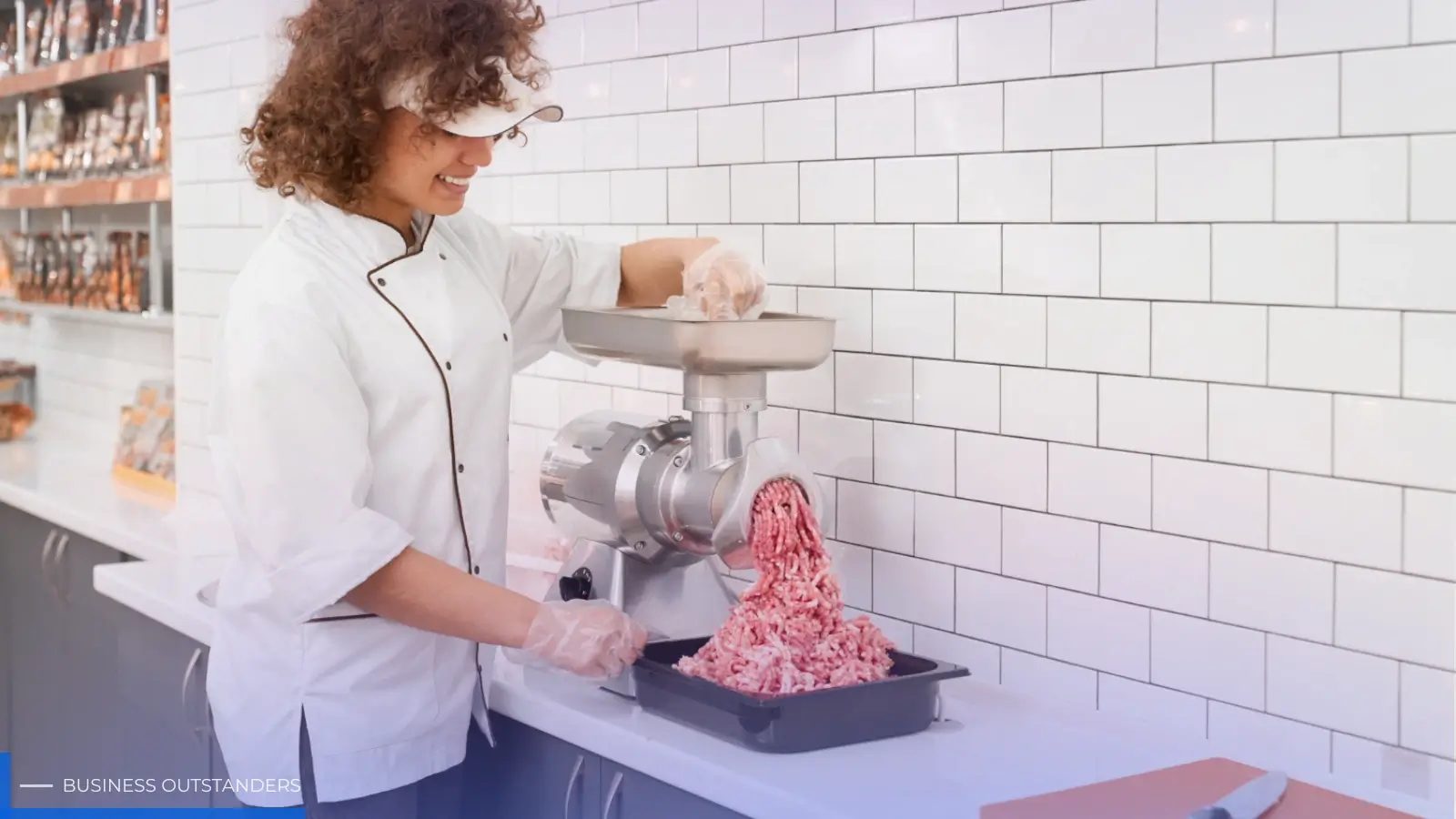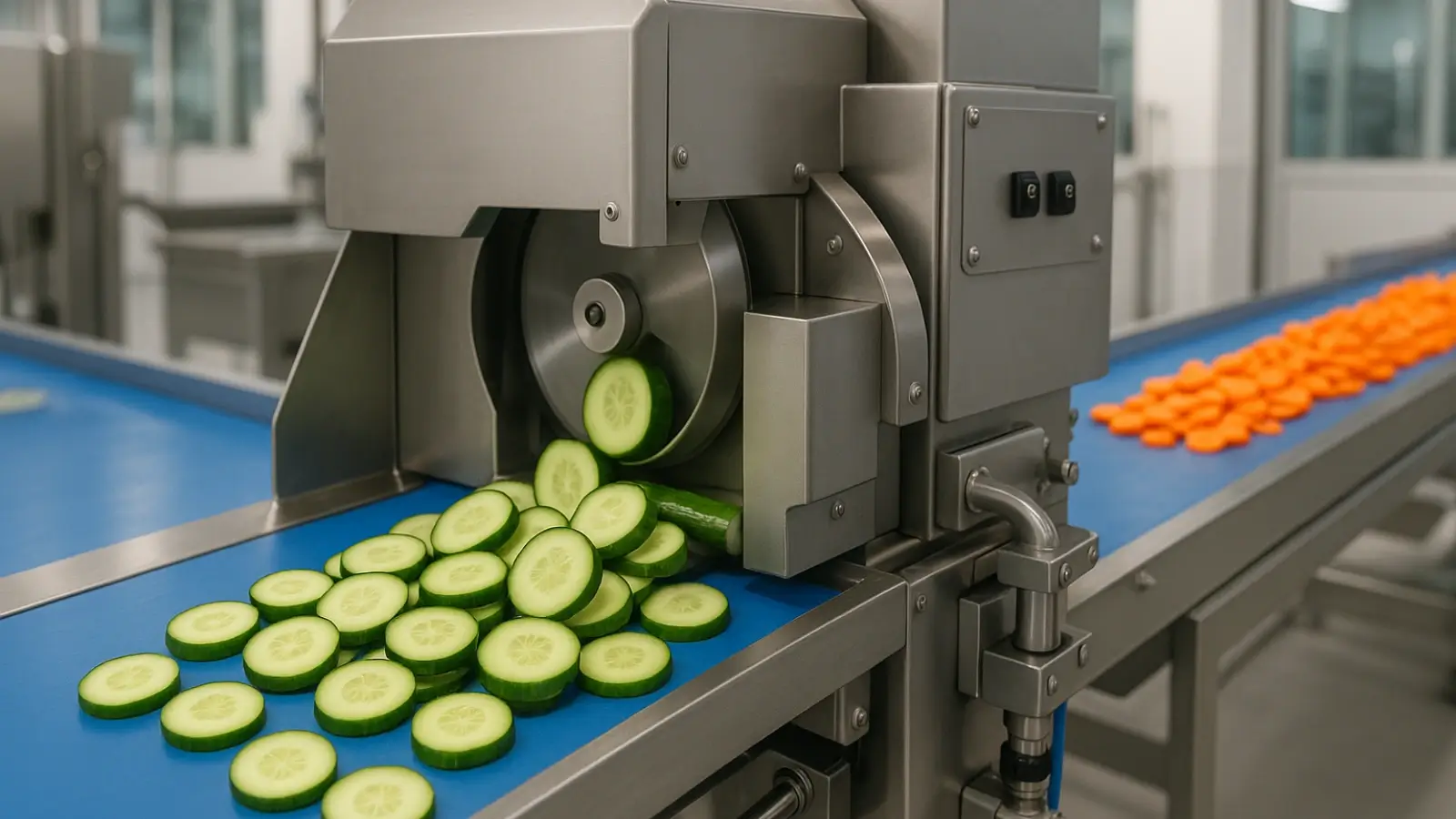
In the rapidly evolving world of food production, efficiency and accuracy have become more important than ever. Consumer expectations continue to rise, competition becomes more aggressive, and regulatory standards grow increasingly complex. To keep pace, food manufacturers must streamline operations while also maintaining uncompromised product quality. One of the most significant advancements supporting this balance is the modern food cutting machine, a category of equipment that has transformed how facilities slice, dice, portion, and prepare products at scale.
Cutting ingredients may sound like a small part of production. In reality, it influences everything from texture and appearance to cooking time and safety. Inconsistent cuts can lead to irregular cooking, product waste, and dissatisfied customers. Manual cutting requires time and labor, and even skilled workers cannot match the speed or uniformity that automated systems deliver. Modern technology solves these issues by bringing precision, speed, and repeatability to an essential step in the food processing workflow.
This article explores how today’s food cutting equipment has evolved, the technologies shaping its capabilities, and why manufacturers are investing heavily in automation to achieve better outcomes across the board.
Automation as a Performance Multiplier
Automation has reshaped the food processing industry. Where production lines once relied heavily on human labor, machines now handle repetitive and physically demanding tasks, allowing workers to focus on higher value responsibilities. Cutting and portioning were early candidates for automation because they involve repetitive motion and pose safety risks.
Modern automated cutting systems operate with impressive speed and consistency. They can process thousands of pieces per hour without fatigue or variation. For high volume manufacturers, this translates to significant time savings and reduced labor strain. A single automated cutter can replace multiple manual stations, which not only improves throughput but also reduces the physical risk associated with knives and repetitive motions.
Automation also simplifies training requirements. Instead of extensive instruction on cutting methods, employees can learn to operate streamlined user interfaces that control machines. This reduces onboarding time and improves overall line reliability.
How Precision Technology Enhances Product Quality
Consistency is one of the most important outcomes of advanced cutting technology. Whether the product is cheese, baked goods, protein, produce, or confectionery, even the smallest variation can impact quality. Inconsistent slice thickness, for example, can cause uneven cooking or irregular portion sizes. In commercial production, quality is measured by predictability, and modern machines deliver that through precise engineering.
High end cutting equipment uses advanced sensors, servo motors, and vision systems to measure products in real time. The machine then adjusts blade position, speed, or angle to achieve consistent results. Some models scan the shape and density of items before cutting so that every slice meets exact specifications, even if the raw material varies.
Laser guided and ultrasonic technologies have also made cutting cleaner and more accurate. Ultrasonic blades vibrate at high frequencies, reducing friction and creating smoother cuts. This is especially useful for delicate or sticky products such as soft cheeses, layered desserts, or dough based items. These technologies help manufacturers preserve product structure and appearance with minimal waste.
Improved Safety and Reduced Contamination Risks
Safety and hygiene are critical in food production. Manual cutting introduces several risks, including injuries and contamination from handling. By introducing automated cutting systems, manufacturers create a safer environment for workers and a cleaner environment for products.
Many modern machines feature fully enclosed cutting areas that protect operators from blades. Sensors ensure that the machine pauses operation if hands or foreign objects come too close. In addition, sanitary design has become a priority. Equipment is built from stainless steel, with smooth surfaces and few crevices to prevent bacteria buildup. Quick disassembly features allow for fast and thorough cleaning between production shifts.
Because automated systems require minimal product handling, the risk of cross contamination decreases significantly. This is especially important in facilities that process allergens or raw proteins. Reducing touch points helps companies maintain regulatory compliance and ensures that final products meet strict safety standards.
Flexibility to Handle Diverse Products and Formats
Modern food production requires versatility. Consumer demand has shifted toward customized portion sizes, specialty products, and innovative formats. Manufacturers need equipment that can adapt quickly without lengthy changeovers. Older machines often had limited capabilities or required extensive manual adjustments when switching between products.
Today’s cutting systems are built with flexibility in mind. Operators can change parameters digitally, allowing blades to adjust automatically to new cut sizes or shapes. Some machines can perform multiple cut styles, including cubes, slices, shreds, sticks, and specialty shapes. This versatility makes it easier for manufacturers to expand product lines or meet unique customer specifications.
Some advanced systems incorporate robotics, enabling automated loading, arranging, and sorting. This further enhances flexibility by creating seamless transitions between stages of production. These capabilities reduce downtime and maximize efficiency, especially in facilities with diverse product portfolios.
In many cases, manufacturers turn to industry leaders such as Marchant Schmidt for equipment that balances precision engineering with customization. Their solutions help operations improve accuracy and throughput while adapting to evolving production needs. Many companies discover these benefits while evaluating new investments in food cutting machines and exploring how modern technology can elevate their processes.
Minimizing Waste for Better Cost Control
Every food processor aims to reduce waste. Raw materials can be expensive, and over trimming or inconsistent portions can result in substantial financial losses. Traditional manual cutting often produces irregular pieces that must be discarded or reworked. Automated cutting dramatically reduces this problem.
Precision systems measure raw materials before cutting and optimize patterns for minimal waste. By controlling blade speed and angle with exacting detail, machines ensure that every cut maximizes usable product. This increases yield and provides a direct cost benefit.
Some equipment also records data on waste, production speed, and cutting accuracy. Manufacturers can analyze this information to identify inefficiencies, plan improvements, and make informed decisions about production workflows. Better data leads to smarter operations and long term savings.
Boosting Throughput Without Sacrificing Quality
As customer demand grows, manufacturers must increase output while protecting product integrity. Manual cutting methods cannot keep up with high volume schedules, especially when product diversity requires frequent changeovers. Automated machines provide high throughput with consistent quality, allowing facilities to scale efficiently.
Modern cutting systems operate continuously and can integrate seamlessly into fully automated production lines. Combining cutting with conveying, sorting, or packaging systems creates a streamlined process that minimizes downtime. This holistic approach to automation encourages smoother transitions and reduces bottlenecks that slow production.
Throughput gains are not just about speed. Machines maintain accuracy even at higher processing rates. This ensures that quality does not decline as output increases, an essential factor in retaining customer satisfaction and meeting supply demands.
Strengthening Compliance and Traceability
Regulations around food safety continue to evolve. Manufacturers must maintain excellent traceability and documentation to satisfy both regulatory and customer expectations. Modern machines support this effort by generating records of cutting patterns, blade adjustments, operator actions, and production batches.
Digital interfaces allow operators to monitor performance, check maintenance schedules, and adjust settings with precision. When combined with tracking software, these systems offer detailed reports that simplify audits and improve transparency. Better compliance reduces risk and supports long term brand reputation.
Lower Maintenance and Longer Equipment Lifetimes
Advanced cutting systems are engineered for durability. Manufacturers recognize the intense workloads that food processors require, so equipment is built to withstand long hours of operation with minimal downtime. Blades are designed from high quality materials and last longer than traditional alternatives. Many machines offer self monitoring features that alert operators when components need attention.
Easy access panels and tool free disassembly simplify routine maintenance. This minimizes disruptions and reduces the need for specialized technicians. Over time, lower maintenance requirements translate to lower operating costs and longer equipment lifespan.
Conclusion
Modern food cutting machines have transformed food production by delivering unmatched levels of efficiency, safety, consistency, and flexibility. They reduce waste, improve throughput, and help manufacturers maintain strict quality standards while adapting to changing consumer expectations. With advanced technologies such as ultrasonic blades, vision systems, and automated calibration, cutting equipment now plays a crucial role in ensuring products look, taste, and perform exactly as intended.
As the industry continues to evolve, more manufacturers are embracing cutting automation to maintain a competitive edge. Facilities that invest in advanced solutions not only improve their operational performance but also strengthen long term reliability and customer satisfaction. By integrating modern cutting technology into production lines, companies position themselves for sustainable growth and improved efficiency across every stage of the process.
Business Outstanders brings you sharp insights on tech, business, entrepreneurship, law, crypto, and more. We uncover what’s next. Stay updated, sign up for our newsletter and be part of the future!