Retirement can feel like a distant milestone—something to think about “later” when life is less busy. Between work deadlines, family responsibilities, and everyday expenses, planning for retirement often slips to the bottom of the to-do list. But the truth is, the earlier and smarter you plan, the more freedom and peace of mind you’ll have down the road.
Professional financial advice isn’t just for the wealthy or those nearing retirement. It’s for everyday people who want to make better decisions with their money and avoid common mistakes that quietly eat away at their future savings. With the right guidance, even small, consistent steps can add up to a much more comfortable retirement.
Why Retirement Planning Is More Than Just Saving Money
Many people assume retirement planning simply means putting money aside each month. While saving is important, it’s only one part of the bigger picture. Retirement planning is really about making your money work efficiently over time.
Think of it like running a small business. Revenue alone doesn’t guarantee success—you also need cost control, smart reinvestment, and risk management. Retirement works the same way. Without a clear strategy, you might save diligently but still fall short due to poor investment choices, unnecessary taxes, or inflation quietly eroding your purchasing power.
A professional financial adviser helps connect all these moving parts. They look at your income, lifestyle, goals, and future needs to build a plan that balances growth and security. This means you’re not just saving blindly—you’re saving with intention.
How Professional Advice Turns Everyday Decisions Into Long-Term Gains
One of the biggest advantages of professional advice is clarity. Many people feel overwhelmed by financial choices, so they delay decisions or stick to what feels “safe,” even when it’s not optimal.
Take superannuation or retirement accounts, for example. Someone working in construction might frequently change jobs, leaving multiple accounts behind and incurring unnecessary fees. A financial adviser can consolidate these accounts, reduce costs, and ensure the investments within them align with the person’s age and risk tolerance.
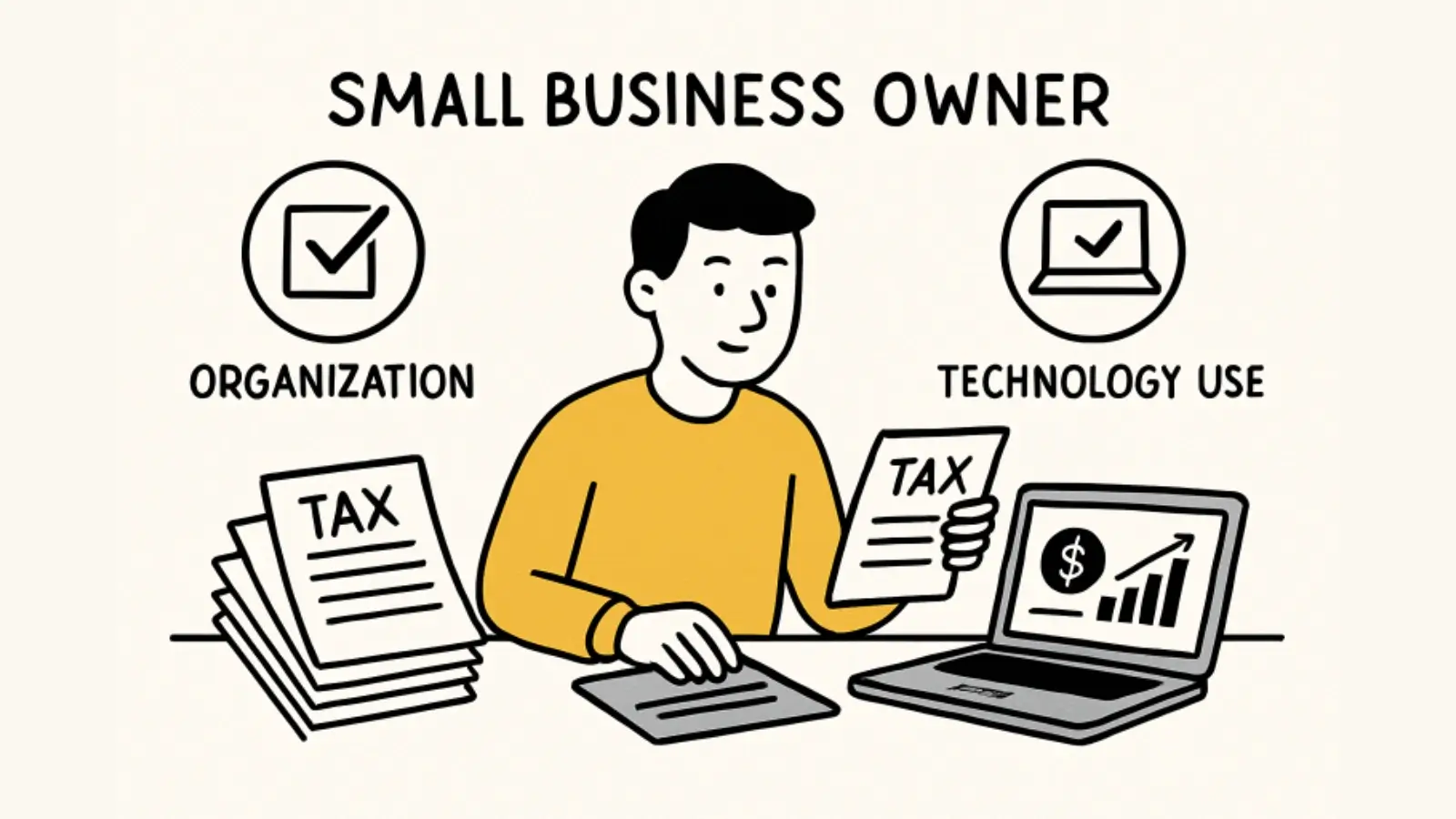
Another example comes from small business owners. Many reinvest everything back into their business, assuming it will fund their retirement. While this can work, it’s risky to rely on a single asset. A professional adviser can help diversify retirement savings, so your future isn’t tied to just one source of income.
Even employees in stable industries benefit. Choosing the wrong investment option or failing to adjust it over time can cost tens of thousands of dollars in lost growth. With expert guidance, those choices become deliberate and informed, rather than guesswork.
Avoiding Common Retirement Mistakes Before They Cost You
Some retirement mistakes don’t feel like mistakes at the time. They’re often small decisions that seem harmless but add up over decades.
One common issue is being too conservative for too long. While caution is important, keeping all your money in low-growth options early in your career can limit long-term gains. On the other hand, staying too aggressive as retirement approaches can expose you to unnecessary risk when you need stability most.
Another mistake is ignoring tax efficiency. Taxes don’t stop in retirement, and without planning, you may end up paying more than necessary. Professional advice helps structure savings and withdrawals to minimise tax impact, leaving more money in your pocket.
There’s also the issue of timing. Knowing when and how to access retirement funds can significantly affect how long your savings last. This is where expert guidance becomes invaluable, helping you make decisions that align with both your lifestyle and long-term needs.
If you’re exploring ways to build a clearer strategy around your future income and savings, you can click here to learn more about professional guidance options that support long-term retirement planning.
Turning a Retirement Plan Into Real Peace of Mind
A well-designed retirement plan does more than grow your savings—it gives you confidence. Confidence to enjoy life now, knowing you’re prepared for what’s ahead. Confidence to make career changes, take time off, or invest in opportunities without constant financial stress.
Professional advice also adapts as life changes. Marriage, children, career shifts, health concerns, or economic changes can all affect your retirement outlook. Having a trusted adviser means your plan evolves with you, rather than becoming outdated or irrelevant.
At its core, retirement planning is about lifestyle—where you’ll live, how you’ll spend your time, and the freedom to choose what matters most to you. Understanding the broader principles of retirement planning helps put those choices into perspective and shows why strategy matters just as much as saving.
In the end, maximising your retirement savings isn’t about chasing quick wins or complex tricks. It’s about consistent, informed decisions made with the right guidance. With professional financial advice, you’re not just preparing for retirement—you’re building a future that supports the life you actually want to live.