Ever feel like putting money into a savings account is the grown-up version of hiding cash under your mattress? You're not alone. With inflation creeping up and interest rates playing seesaw games, many people are starting to question whether leaving money in a savings account actually counts as “saving” anymore. In this blog, we will share how individuals are expanding their portfolios beyond traditional savings—and why it’s becoming less of a financial trend and more of a survival tactic.
Moving Past the Savings Account Safety Net
Savings accounts used to be enough. Your paycheck landed, you moved a slice into savings, and let the balance quietly grow. Back then, a 3% annual interest rate didn’t feel like charity—it felt like reward. Now, even after some rate hikes, most banks barely offer anything worth writing home about. Meanwhile, inflation chews away at your money’s value while it just sits there looking responsible.
People are beginning to connect the dots. Traditional savings accounts offer safety, yes. But safety isn’t always the same thing as progress. There’s a growing realization that money needs to do more than sit still. It needs to grow—slowly, steadily, or aggressively, depending on your appetite. And that shift is shaping how people approach the idea of wealth-building.
We’re seeing a pivot, especially among younger earners. A savings account might still be the first stop, but it’s not the last. The average millennial or Gen Z investor doesn’t just want to stash cash—they want options, control, and some sense that their money can outpace the rising cost of groceries, rent, and insurance premiums.
This shift in thinking is also drawing more attention to options like self-directed 401Ks and IRAs, which open the door to a wider range of investments beyond typical mutual funds or bonds. These accounts allow for greater flexibility, letting individuals direct funds into areas like real estate, startups, or digital assets—choices that traditional plans often exclude. The appeal lies not just in performance potential, but in the control they offer over one’s financial future.
The Rise of Alt-Investing for the Everyday Earner
It used to be that “alternative investing” was code for “rich people playing with yachts and real estate.” Not anymore. Crowdfunding platforms, tokenized assets, and fractional investing have opened the gates. Now, someone with $500 and a Wi-Fi connection can put money into farmland, art, startups, or even collectibles.
Of course, none of this replaces the basics. Emergency funds, debt management, and financial literacy still come first. But once those pieces are in place, expanding into alternative investments has become less of a niche hobby and more of a mainstream move.
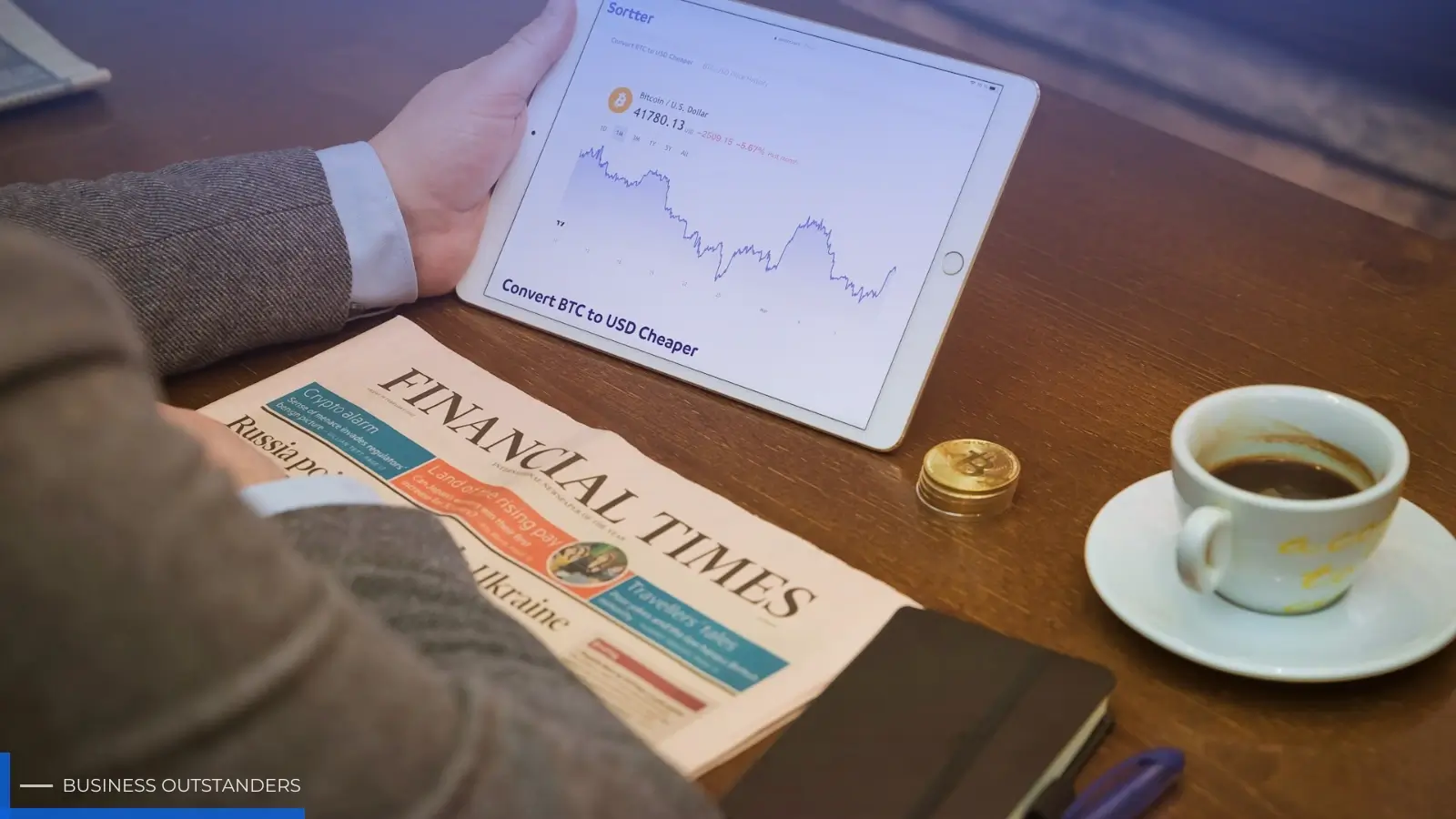
The recent stock market swings have made people cautious but not timid. Instead of going all in on a single sector or asset class, they’re diversifying in new directions. A little real estate exposure. Some long-term private equity. A slice of gold or cryptocurrency. The portfolio starts to reflect not just stability, but flexibility.
It also reflects the reality of the job market. With more people freelancing, consulting, or building side businesses, income flows have become less predictable. That unpredictability fuels the need for investments that can generate different types of returns—not just slow, stable gains, but sometimes growth with a little kick.
Tech and Transparency Are Changing the Game
One of the biggest shifts enabling broader investment strategies is access. Ten years ago, managing a diversified portfolio meant hiring a financial advisor or learning to navigate tools that felt built for economists. Today, fintech apps have leveled the field. You can buy shares of a REIT on your phone during your lunch break, or compare historical asset performance with just a few taps.
But tech alone doesn’t build trust. Transparency does. Investors want to see what their money is doing—not just in abstract terms, but with clarity. They want dashboards that show real numbers, and strategies that make sense without needing a financial dictionary.
It’s also about ethics. Environmental, social, and governance (ESG) factors are now a major part of the conversation. People want their money to work, but they also want it to reflect their values. Whether it's green energy, socially responsible funds, or avoiding certain industries altogether, the ability to invest with purpose is becoming non-negotiable.
This trend isn’t just about being idealistic. It’s about alignment. A portfolio that aligns with your values is easier to commit to. It feels less like gambling and more like long-term decision-making.
Rethinking Risk in a Shifting Economy
One of the biggest reasons people have clung to savings accounts is fear. Fear of volatility. Fear of risk. But risk has evolved. In today’s economic climate, doing nothing with your money is its own kind of risk.
Inflation is steady, even if the headlines bounce around. Housing, healthcare, education, and even basic goods are consistently climbing. If your money isn’t growing, it’s shrinking. That’s not speculation—that’s math.
So risk needs to be reframed. It’s not about avoiding loss entirely. It’s about managing trade-offs. For example, putting money in a self-directed account might feel riskier than a savings account, but it also has the potential to beat inflation and help you retire earlier—or at least with more options.
That said, jumping into nontraditional investments doesn’t mean going in blind. It means learning. Reading. Testing. And yes, sometimes making mistakes. But those mistakes are often more informative than five years of passive saving with no real movement.
A Portfolio That Reflects Real Life
The last few years have changed how people relate to money. The pandemic pushed many to reevaluate priorities. Layoffs, remote work, and a new wave of financial uncertainty made clear that nothing is guaranteed—not even that 9-to-5 job or stable company pension.
In response, portfolios are evolving. They’re not just retirement-focused. They’re lifestyle-focused. People are thinking about how to build income streams that support travel, health costs, education, or early semi-retirement. Some want freedom to start a business in five years. Others want to buy property without draining their entire savings.
To meet those goals, they’re no longer leaning on savings accounts as the backbone of their plan. They’re diversifying in a way that mirrors their lives—messy, flexible, and fast-moving.
The idea isn’t to become a finance guru overnight. It’s to stop thinking of savings as the endgame and start seeing it as the first move. The next steps? That’s where the strategy begins. And with more tools, access, and support than ever before, that strategy doesn’t have to be built on guesswork.
It just has to be built with intention.
Business Outstanders brings you sharp insights on tech, business, entrepreneurship, law, crypto, and more. We uncover what’s next. Stay updated, sign up for our newsletter and be part of the future!