Key Takeaways
-
Understanding and adhering to tax regulations is essential to avoid penalties, safeguard reputation, and maintain long-term financial health.
-
Implementing automation and outsourcing can make tax compliance more manageable, reduce errors, and free up owner time for higher-value work.
-
Staying informed about regulatory and industry-specific changes ensures ongoing compliance and operational efficiency in a fast-paced regulatory environment.
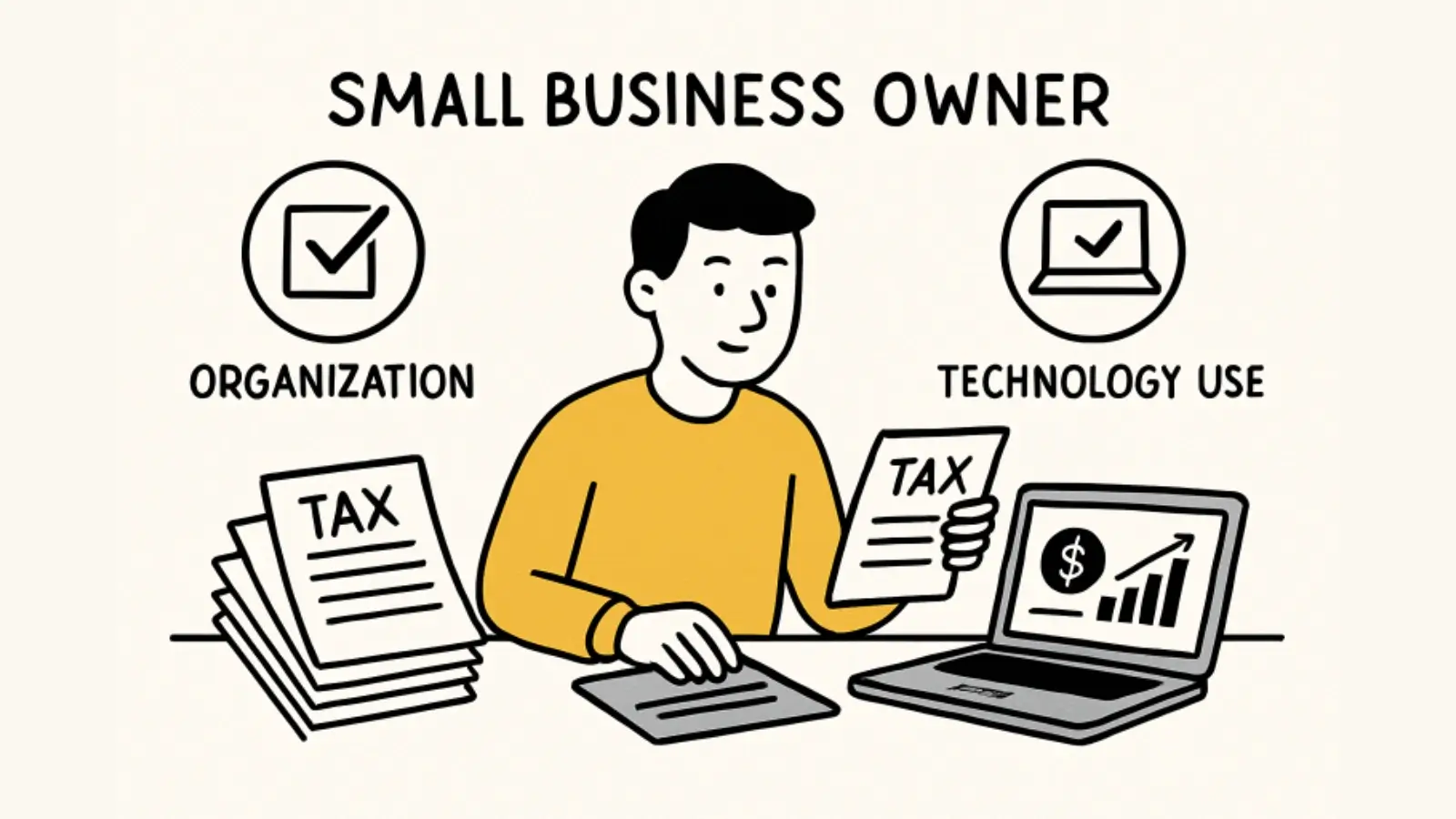
Managing tax obligations is a complex but essential task for small business owners, requiring careful attention to changing laws, deadlines, and forms. Mistakes or missed filings can be costly, but proactive strategies such as using digital tools, outsourcing tasks, and implementing innovative financial policies can make compliance manageable. In some cases, small businesses may also need to consider complex litigation strategies to address disputes or regulatory challenges, making a well-structured approach even more critical. Efficient tax practices support cash flow, protect credibility, reduce stress, and enable owners to focus on growth and strategic planning. With annual regulatory changes, leveraging modern tax software and expert resources helps even small businesses stay compliant, minimize errors, and capitalize on opportunities. Ultimately, a systematic, technology-driven approach to tax management safeguards the business, ensures long-term sustainability, and positions it for future success.
Understanding Tax Obligations
Every small business has unique and evolving tax responsibilities, including federal and state income taxes, payroll taxes, self-employment taxes, and sales taxes, and some may face industry-specific obligations or qualify for certain credits. Simplifying complex litigation can help business owners understand potential legal risks tied to tax matters and compliance. Common pitfalls include misclassifying employees, missing quarterly payments, or failing to obtain necessary permits. Determining the correct business structure (sole proprietorship, partnership, LLC, or corporation) is essential, as it affects both obligations and opportunities. Regular consultations with a CPA and annual reviews help ensure compliance and maximize tax savings as the business grows and changes.
Outsourcing Tax Preparation
For small business owners, outsourcing tax preparation has become a preferred strategy, allowing them to delegate the most complex or time-intensive compliance tasks to trusted specialists. Engaging with a local CPA, a national tax consultancy, or an online tax service ensures that tax filings comply with the latest rules, regulatory updates, and industry-specific requirements. Advisors can provide services far beyond filing, such as identifying credits, analyzing entity structure, suggesting tax-efficient changes to business operations, and assisting with long-term strategy.
By offloading these compliance demands, business owners not only protect themselves from the risk of missed deadlines and reporting errors but also gain access to high-level strategic planning and peace of mind during stressful tax seasons.
Staying Updated on Regulatory Changes
The tax landscape continues to evolve as legislative bodies adapt rules in response to changes in the economic environment, budget needs, or public policy priorities. At any given time, changes can influence how returns are filed, what deductions apply, or even when forms must be submitted. Keeping a finger on the pulse of these changes means subscribing to IRS bulletins, newsletters from accounting organizations, and legal updates from trusted sources, including government and industry association webinars or virtual town halls.
Setting up email notifications or mobile alerts from agencies like the IRS or your state tax authority delivers timely, relevant updates straight to your inbox or phone. Monitoring these sources empowers you to prepare in advance, implement necessary adjustments, and prevent last-minute scrambles.
Implementing Effective Record-Keeping
Accurate record-keeping is one of the most potent weapons against tax season stress and post-filing uncertainty. Digital accounting tools make it easy to store, categorize, and retrieve financial records at a moment’s notice, including invoices, receipts, contracts, bank statements, and correspondence, all of which have an essential place in your tax prep workflow. For guidance on the key steps involved in filing taxes and staying compliant, resources like this U.S. News article on tax filing provide clear, up-to-date advice for both individuals and small business owners. Maintaining this discipline ensures documentation is always available to support every claimed deduction, provide transparency in the event of an audit, and help with loan or grant applications.
Reconciling accounts at least monthly, securely archiving digital records, and automating regular uploads or backups strengthen both short and long-term compliance. Well-organized records aren’t just a safety net; they are an invaluable strategic asset that can be presented to lenders, potential partners, or buyers during fundraising or acquisition activities. Proper documentation of business expenses, vehicle logs, home office deductions, and travel receipts allows advisors to maximize deductions and helps business owners defend their claims against scrutiny from tax authorities.
Seeking Professional Advisory Services
Professional tax advisory services go well beyond annual tax filings—they provide continuous support and future-focused guidance for growing enterprises. Building a relationship with a knowledgeable advisor or consultancy means year-round access to strategic tax planning, advice on tax implications of business decisions, and timely alerts about new regulatory changes or industry opportunities. Advisors with a deep understanding of your business can help fine-tune operations to maximize credits and incentives, offer support during audits or complex legal disputes, and identify potential risks before they become costly issues.
This partnership often saves more than it costs by finding and claiming overlooked benefits, fostering confident decision-making, and bolstering the business’s long-term stability. Whether advisory arrangements are ongoing or engaged for specific projects, they lay the groundwork for longevity in a rapidly shifting economic climate and build a trusted support system for business owners. Regular communication with these professionals can change the owner’s perspective on compliance—transforming it from an obligation into a value-generating asset.
Utilizing Government Resources
Federal, state, and sometimes even local government agencies provide extensive, free support tailored to small business compliance needs. The IRS Small Business and Self-Employed division features a suite of digital tools, in-depth guides, online training, calculators for estimated taxes, and interactive webinars that address common challenges. Many state and local economic development offices also organize customized workshops and offer direct lines to expert assistance or hotline support specific to their area’s regulations.
Taking advantage of these free offerings is a savvy way to boost your team’s knowledge base, fine-tune compliance practices, and forge constructive relationships with oversight authorities. It also helps demystify compliance, promoting a culture of transparency and responsible business management. Frequent use of government-provided tools may also simplify audits or secure access to specialized credits when those opportunities arise.
Conclusion
Mastering tax compliance is an essential, ongoing responsibility for small businesses, but it no longer has to be overwhelming or burdensome. By gaining an informed understanding of your core tax duties, automating administrative processes, maintaining thorough and consistent record-keeping, outsourcing timely, educating persistently, and providing proactive professional consultation, small business owners can drastically reduce their risk exposure and strengthen their financial foundation. Embracing authoritative resources and staying current with best practices ensures your business remains agile, efficient, and fully prepared to face whatever the next tax season brings. Ultimately, a streamlined approach to compliance not only minimizes risk but transforms tax management into a strategic advantage for growth and innovation.
Business Outstanders brings you sharp insights on tech, business, entrepreneurship, law, crypto, and more. We uncover what’s next. Stay updated, sign up for our newsletter and be part of the future!