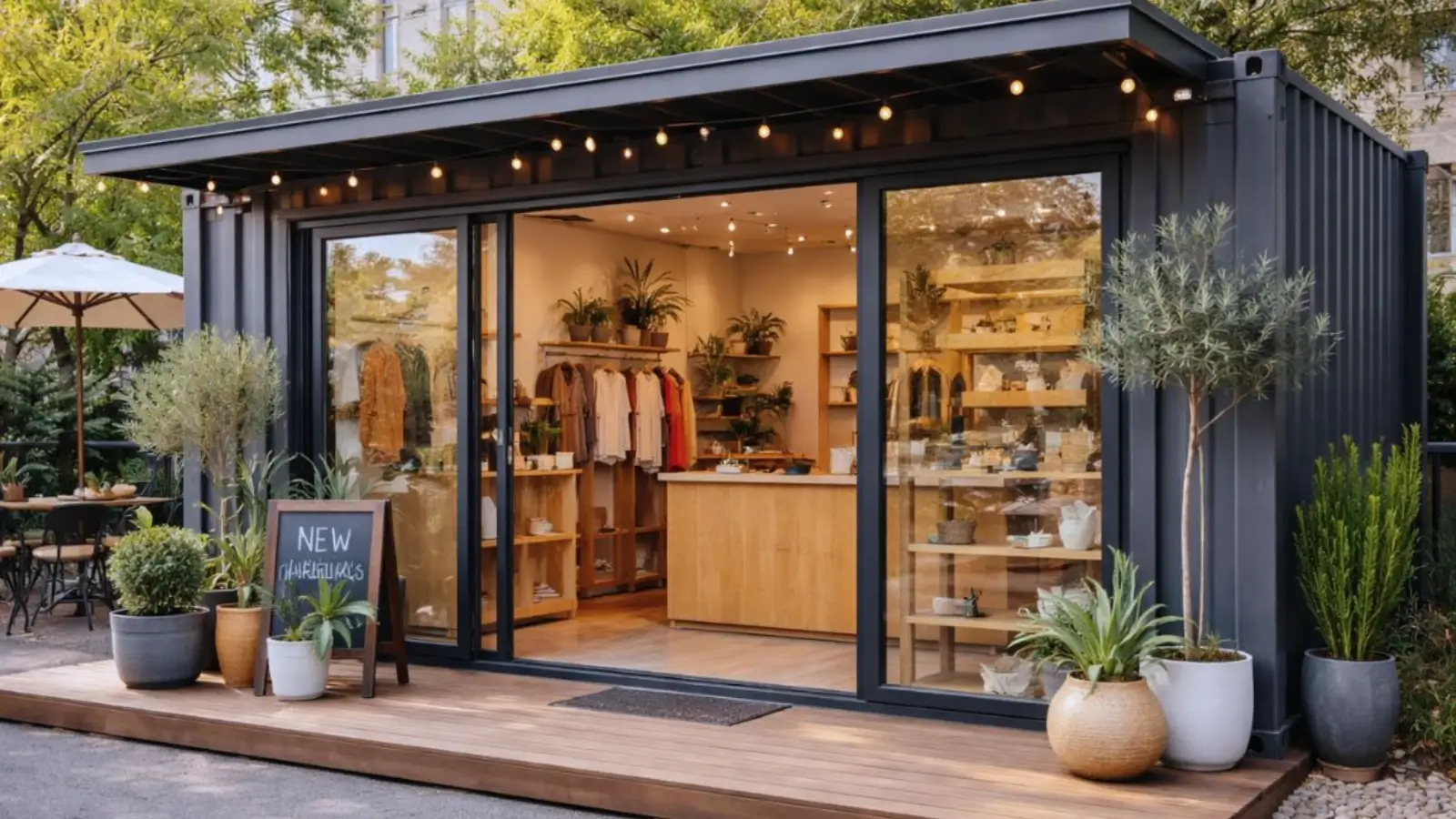
Starting or growing a small business often comes with one big challenge. Finding space that is affordable, flexible, and easy to manage. Traditional buildings can be expensive and slow to set up. This is why many business owners are turning to shipping containers. These steel units offer a practical way to create workspaces, storage, and customer facing locations without the high cost of permanent construction.
Shipping containers are durable, secure, and adaptable. They can be placed on many types of properties and customized to fit different business needs. Below are the top ten ways small businesses are using shipping containers to grow smarter and faster.
Why Shipping Containers Make Sense for Small Businesses
Shipping containers are built to withstand harsh conditions at sea, which makes them strong and long lasting on land. For small business owners, this means peace of mind. They are also quick to deliver and set up, helping businesses get started faster.
Containers can be modified with doors, windows, lighting, insulation, and climate control to create a comfortable and functional space.
Another major benefit is scalability. As your business grows, you can add more containers or relocate them if needed. This flexibility is hard to match with traditional buildings.
1. Mobile Retail Store
Retail containers are popular for pop up shops, seasonal sales, and local events. They allow business owners to test new markets without committing to a long lease. A container shop can be branded with custom paint, signage, and lighting to attract customers.
Retail containers work well for clothing, handmade goods, outdoor gear, and specialty products. They can be placed in parking lots, festival grounds, or near busy pedestrian areas.
2. On Site Storage for Inventory and Equipment
Secure storage is one of the most common uses for shipping containers. Small businesses need a safe place to store inventory, tools, and supplies. Containers offer weather resistant protection and can be locked for added security.
Contractors, landscapers, and maintenance companies often keep containers on site to reduce travel time and improve efficiency. Having equipment close by helps crews stay productive throughout the day.
3. Shipping Container Office
A container office creates a quiet and dedicated workspace separate from home or job sites. These offices can be fully finished with insulation, electrical outlets, internet access, and climate control.
Many construction companies and property managers use container offices at active job sites. This setup allows managers to stay close to operations while maintaining a professional environment.
4. Food and Beverage Business
Food based businesses are using containers for kitchens, coffee stands, and concession setups. Containers are ideal for small menus and focused concepts. With proper ventilation, plumbing, and food safe finishes, they can meet many health requirements.
Food containers are often placed in food truck parks, breweries, and event spaces. Their compact size makes them efficient and easy to manage.
5. Workshop or Fabrication Space
Shipping containers make excellent workshops for hands-on trades. Woodworkers, metal fabricators, and repair businesses can customize containers with workbenches, shelving, and power tools.
The steel structure provides a safe and enclosed environment for equipment. Containers can also be sound insulated to reduce noise, making them more suitable for residential or mixed use areas.
6. Refrigerated Storage for Perishable Goods
Businesses that handle perishable products need reliable cold storage. Refrigerated containers, often called reefers, maintain consistent temperatures and protect sensitive inventory.
This setup works well for food distributors, caterers, florists, and small farms. Refrigerated containers can be placed close to production areas, reducing spoilage and improving workflow.
7. Equipment Rental or Service Hub
Rental businesses often need a central location to store and manage equipment. Shipping containers provide a secure base for tools, machinery, and service vehicles.
Because containers are portable, they can be moved closer to customers or job sites. This makes them ideal for equipment rental companies, mobile repair services, and utility contractors.
8. Gym, Fitness, or Training Studio
Fitness entrepreneurs are using containers to create unique workout spaces. Containers can be converted into personal training studios, yoga rooms, or open air gyms with roll up doors.
This approach keeps startup costs low while offering a memorable experience for clients. Containers can be placed in industrial areas, outdoor lots, or even residential properties with proper approval.
9. Creative Studio or Media Space
Artists, photographers, and content creators often need quiet and controlled environments. Shipping containers can be transformed into studios for photography, video production, or podcast recording.
With proper insulation and lighting, containers offer a distraction free workspace. Their compact size helps creators stay focused and organized.
10. E Commerce Fulfillment and Shipping Center
Online businesses need space to store products, pack orders, and manage shipping. Containers provide a clean and efficient fulfillment solution that can grow alongside sales.
For businesses that handle large or bulky items, a side opening shipping container makes loading and unloading faster. This design improves access and speeds up daily operations.
Permits and Local Considerations
Before placing a container, it is important to check local zoning and permit requirements. Rules vary by location and depend on how the container will be used. Temporary uses often face fewer restrictions, while permanent installations may require permits.
Working with a knowledgeable container provider can help you understand these requirements and avoid delays.
How to Choose the Right Container for Your Business
Choosing the right container starts with understanding your needs. Think about size, layout, and how much customization you want. New containers offer a clean appearance, while used containers provide cost savings.
Delivery access and placement should also be planned in advance. Make sure there is enough space for trucks and that the ground is level and stable.
Buying vs Renting a Shipping Container
Some businesses choose to buy containers outright, while others prefer a shipping container rental option. Renting can be a good choice for short term projects or seasonal operations. It allows businesses to control costs and avoid long term commitments.
Buying often makes sense for businesses that plan to use containers for many years. Rent to own programs are also available and can be a practical middle ground for growing companies.
Conclusion
Shipping containers offer small businesses a smart way to create space without overspending. From retail shops and offices to workshops and fulfillment centers, the possibilities are wide open. Containers are strong, flexible, and built to grow with your business.
By thinking creatively and choosing the right setup, a shipping container can become a valuable asset that supports your goals and helps your business thrive.
Business Outstanders brings you sharp insights on tech, business, entrepreneurship, law, crypto, and more. We uncover what’s next. Stay updated, sign up for our newsletter and be part of the future!