Less Waste, More Space: A Modern Approach to Cardboard Recycling
— Turning messy piles into compact bales brings confidence to daily operations by reducing chaos and creating calm.

Cardboard waste piles up fast in modern workplaces. It demands space, labor and costly disposal. Smarter recycling solutions help reduce clutter and handling expenses, while boosting sustainability goals.
Every box that arrives at a warehouse, store, or facility eventually must be broken down and removed. With delivery volumes rising, many businesses struggle to keep up with the workflow of cardboard waste. A modern approach to recycling can turn a messy challenge into a space-saving, cost-efficient advantage.
The Growing Challenge of Cardboard Waste in Modern Operations
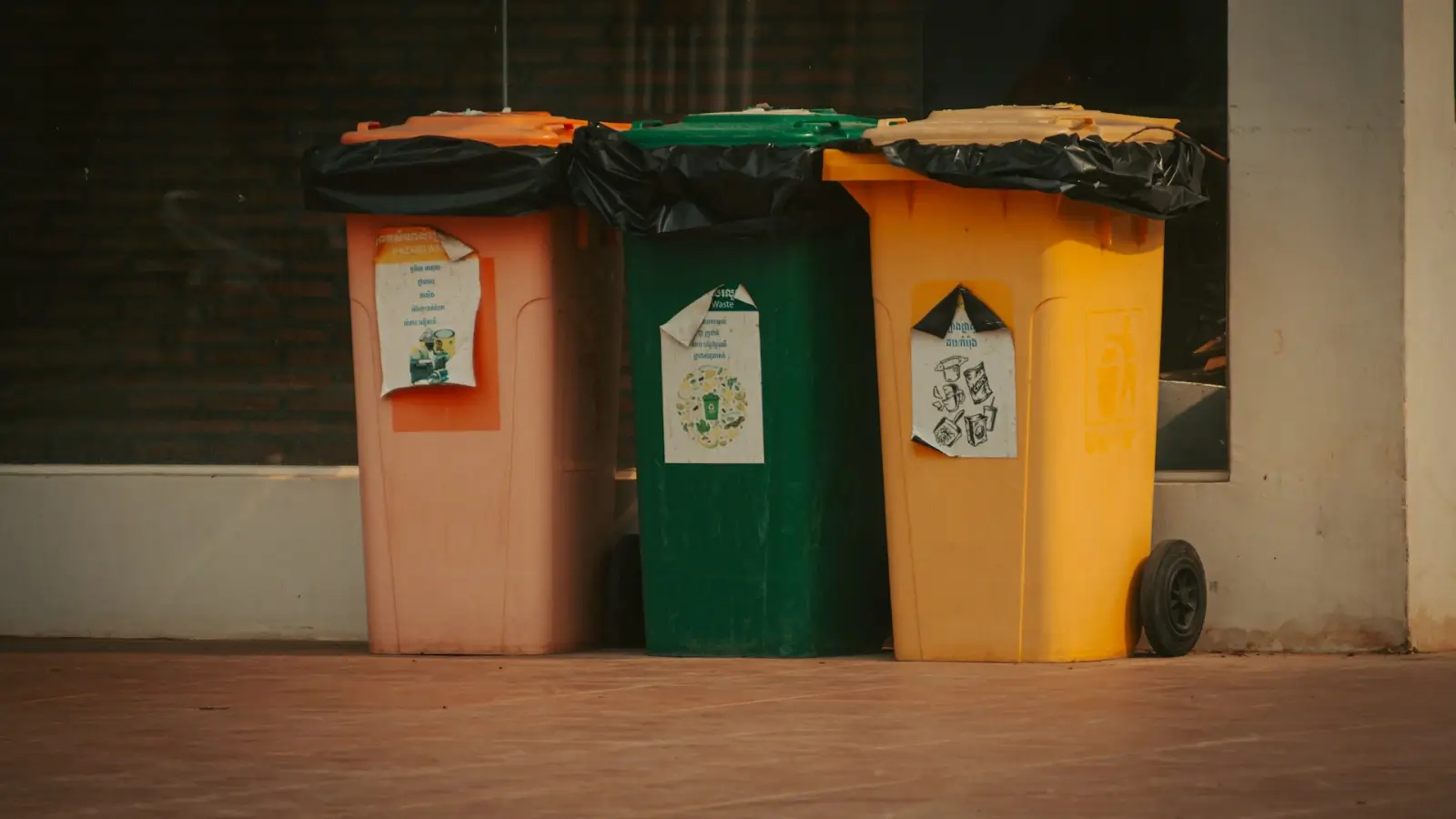
Cardboard remains one of the most widely used packaging materials in retail, e-commerce, distribution and manufacturing. It protects goods well, but the leftovers pile up relentlessly. Staff often spend valuable time flattening boxes or hauling loose waste across busy floors. The result is cluttered work areas, blocked walkways and bins that fill up far too quickly.
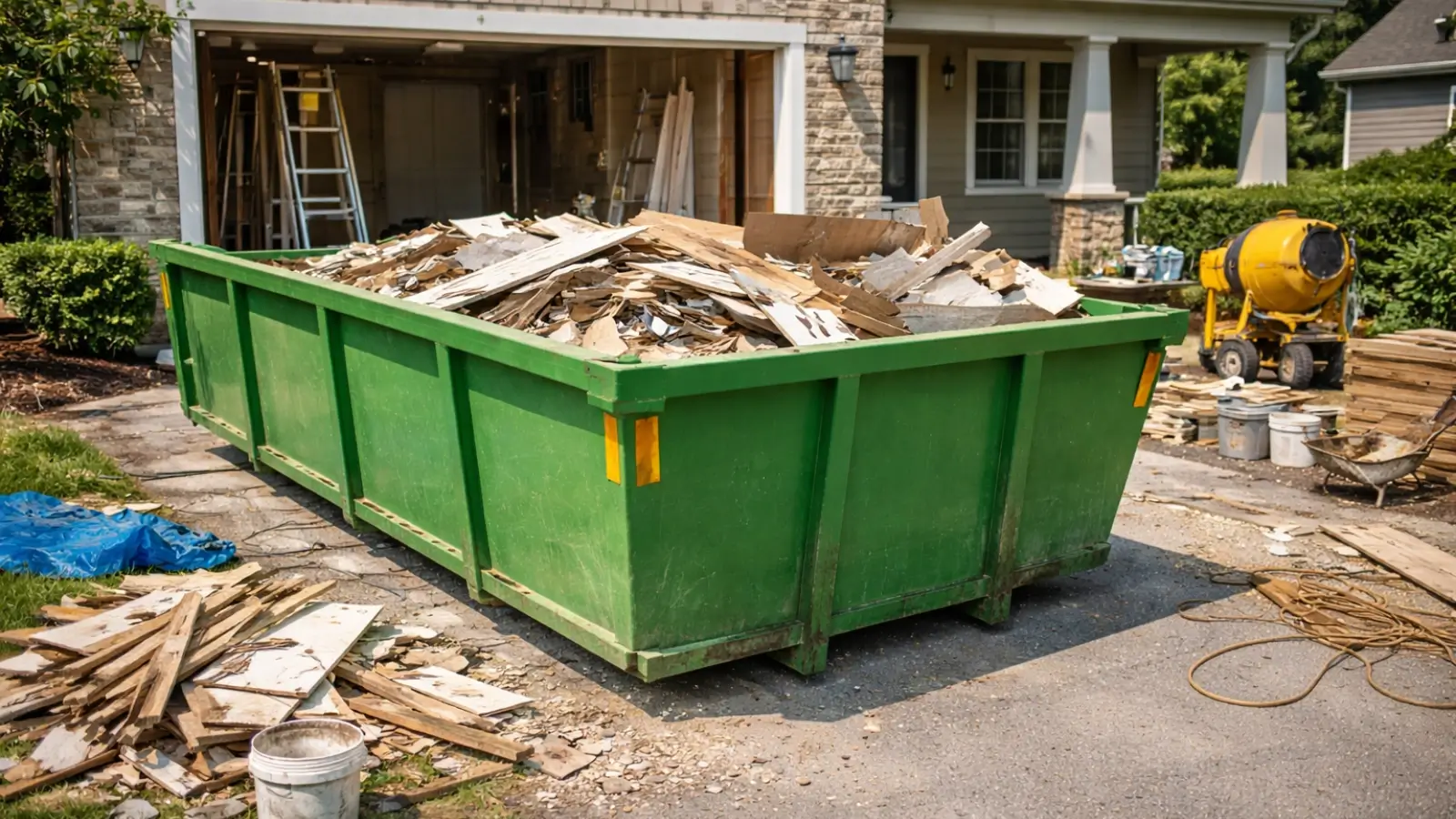
Businesses also pay heavily for hauling services. Containers are often overfilled with air and lightweight material. Frequent pickups increase operating costs and environmental impact. Waste areas can become unsightly. They may even create compliance issues when local guidelines demand organised recycling practices.
For many, the pressure builds every day. The need for a better solution becomes impossible to ignore. That’s where compacting and baling come into play. Many facilities discover that introducing a small cardboard baler near the source of waste can transform their efficiency. It frees up space and reduces manual handling in a big way. Instead of spreading across the back-of-house area, boxes are consolidated into dense bales. These are easier to move, store and recycle without stressing staff and operations.
How Smart Recycling Equipment Transforms Everyday Efficiency
Modern cardboard balers are designed to simplify waste routines. Operators feed empty boxes directly into a chamber. The machine handles the hard work from there. Vertical balers fit comfortably in most facility layouts. They compress the cardboard into tidy, stackable bales that help reduce waste volume by up to 90%.
This reduction means fewer trips to dumpsters or recycling points. User-friendly controls and automated pressing cycles lower physical strain on staff. It also reduces injury risk. Workers no longer waste time tearing down boxes or navigating overflowing waste carts through tight warehouse aisles. Instead, they can stay focused on customer-facing or mission-critical tasks. More productivity. Less mess.
Warehouse and retail managers often report improvements quickly. Waste zones become organized within days of installing a baler. Compact bales store neatly until collection. Because they use space so efficiently, they help reduce the frequency of pickups. In industries where every square foot matters, the difference is noticeable. Recovered space can be repurposed. It might hold more inventory or allow safer movement around stockrooms. Sometimes it simply keeps work environments cleaner and calmer.
Saving Space and Time Through Smarter Waste Management
Space inside a business is valuable. No one wants cardboard taking over receiving docks, corridors, or stockrooms. With a baler, waste becomes part of a clean and controlled workflow. Loose piles and constant clean-ups fade away.
Time savings quickly add up, too. Staff load cardboard at one convenient location instead of using multiple steps, such as flattening boxes, hauling waste and re-bagging materials. The routine becomes easier. Training new employees takes less effort. And consistency improves because the process is simple.
Some recycling partners offer rebates for well-maintained cardboard bales. It’s a smart way to turn trash into value. Those savings contribute to long-term returns, helping the baler pay for itself through lower hauling costs and better recycling results.
The Environmental Impact and Turning Cardboard into a Circular Resource
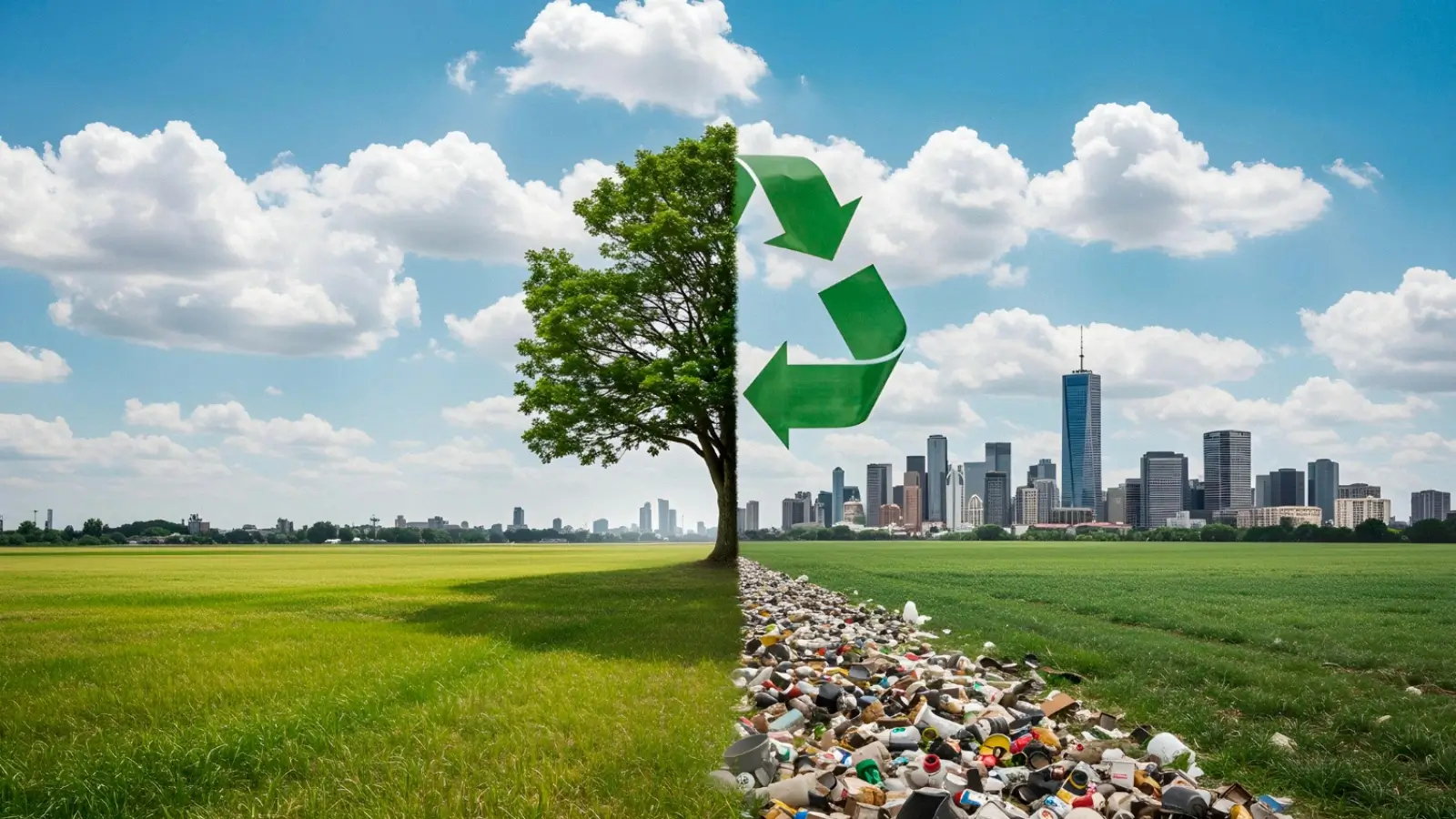
Cardboard is highly recyclable. Properly treating it supports a circular economy that reduces waste and conserves resources. Instead of landing in landfills, bales go to recycling facilities, where they become new packaging products. This reduces demand for virgin materials and lowers carbon impact across supply chains.
By compacting cardboard into clean bales, companies improve the quality of material sent for recycling. Cleaner recycling equals more efficient processing. It also shows a responsible commitment to sustainability.
Many facilities aim to reduce their environmental footprint. A streamlined recycling system makes progress visible. Every bale represents a measurable improvement. Sustainable operations aren’t only about public perception. They are a practical step toward preserving resources and lowering the impact of daily business.
Building a Sustainable Future, One Bale at a Time
Recycling shouldn’t be complicated. A baler makes the process predictable and straightforward. With the right equipment, businesses can have a safer workplace, a cleaner environment, and a more efficient system.
Turning messy piles into compact bales brings confidence to daily operations. It reduces chaos and creates calm. Instead of reacting to constant waste build-up or scheduling emergency container pickups, companies enjoy a smooth and controlled routine. Every bale helps build a cleaner facility. It also supports lower costs and a greener footprint over time. Space is regained. Workflows improve. Sustainability goals feel more achievable.
Cardboard waste will always exist in busy workplaces. But how it’s handled makes a major difference to space, safety and cost efficiency. By introducing innovative compaction equipment and using tools like a small cardboard baler earlier in the workflow, companies gain more control of their waste and improve recycling outcomes. Less waste. More space. It’s a simple shift that empowers any business to move toward cleaner operations and a more substantial commitment to sustainability.