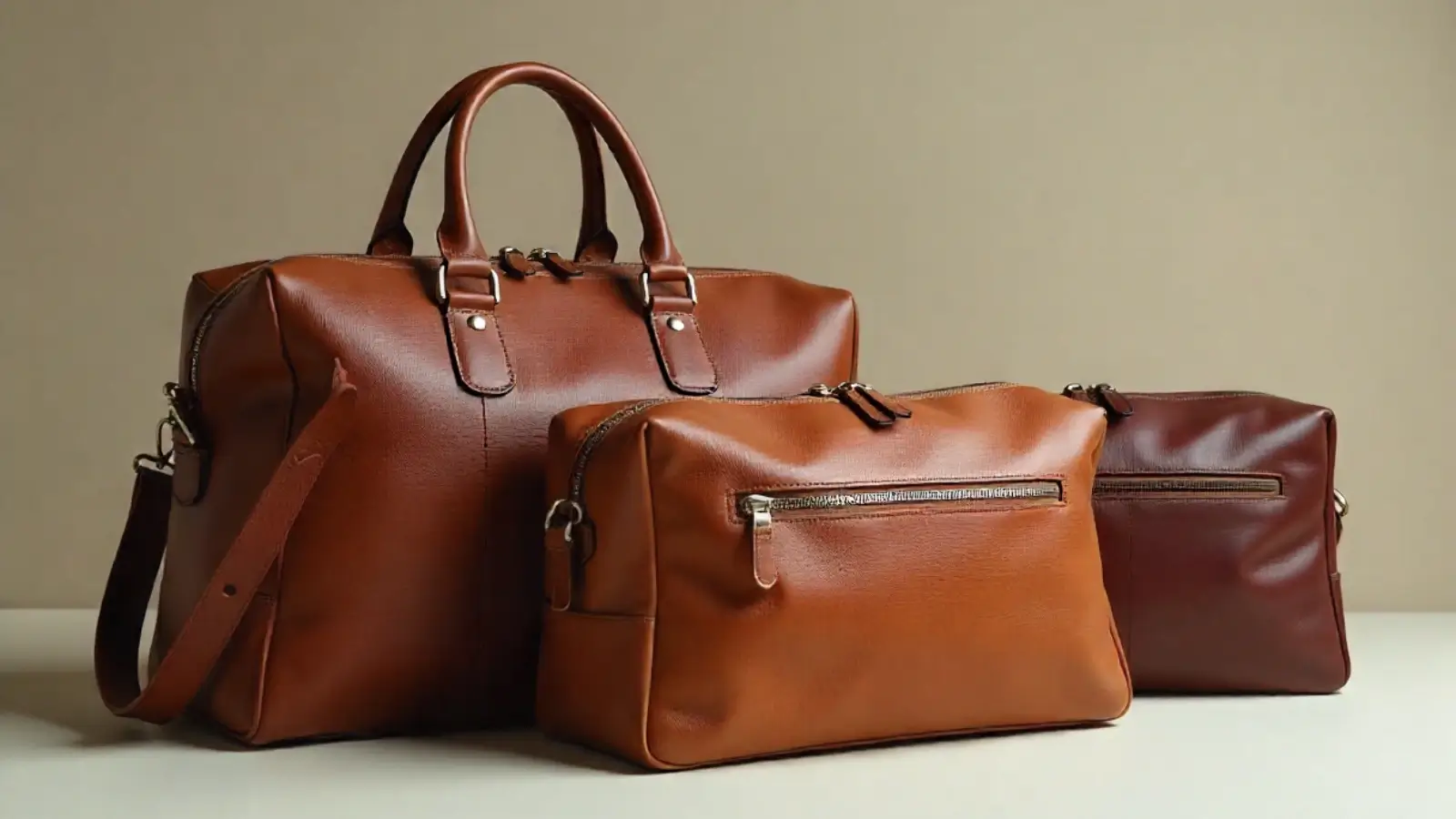
Trends in bags are noisy. Procurement is not.
If you’re buying wholesale travel bags and totes, the only “trend” that matters is the one that survives real use, hits margin targets, and ships on time without quality drama.
Below are the patterns showing up across actual orders and line reviews—less runway, more reality.
1) Quiet Durability is Winning (the “looks Premium, Doesn’t Babysit” Trend)
Buyers are moving away from flashy trims that age badly. The demand is for bags that feel expensive but don’t punish the user after week three.
What that looks like in product decisions:
-
Heavier hand-feel fabrics (not necessarily thick, but tighter weaves and better coatings)
-
Reinforced stress points that are invisible from the outside (clean look, strong build)
-
Hardware choices that don’t chip or squeak after shipping
If your supplier can’t explain how they reinforce handles, zipper ends, and base panels without turning the bag into a “tactical” aesthetic, that’s a red flag. This is where choosing a process-driven partner matters more than “pretty sampling.” A good custom bag manufacturer will usually push these details early because they know bulk failures come from the boring parts.
2) Packability and “smart Volume” Are Replacing Big, Boxy Capacity
Travel bags are getting more flexible, not bigger.
Brands want bags that:
-
look compact on-body and on-shelf
-
expand when needed
-
compress back down without looking wrinkled or cheap
Design cues we’re seeing:
-
gussets and expansion zips that keep the structure
-
soft side panels + structured base
-
internal dividers that don’t add weight
This trend is powerful for short-trip travel and commuter crossover bags, where customers want “one bag that does two jobs.”
3) Totes Are Becoming Technical (Without Screaming “outdoor Gear”)
The tote category used to be simple: open top, two straps, done.
Now buyers are asking totes to behave like travel bags—security, organization, and comfort—while still looking clean.
Common upgrades in wholesale tote lines:
-
zipper or magnetic closures that don’t look bulky
-
laptop sleeve + key leash + quick-access pocket
-
wider straps with better edge finishing (comfort without padding)
In practice, that means more component coordination: zipper specs, lining choices, binding quality, and pocket construction. It’s not “hard,” but it is where factories get sloppy. If you’re sourcing at scale, working with a Wholesale duffle bag manufacturer (or any supplier set up for repeatable bulk) helps because they’ve already solved these consistency problems in production.
4) Sustainability is Shifting From “materials” to “proof”
The trend isn’t just “RPET.” It’s traceability.
Buyers increasingly want:
-
recycled content documentation
-
clearer material origin stories they can verify
-
fewer mixed-material constructions that make end-of-life claims messy
Practically, brands are simplifying:
-
fewer coatings
-
more mono-material designs where possible
-
trims and labels that match the sustainability claim (no greenwashing mismatch)
If your marketing team wants a sustainability angle, procurement needs the paperwork—and the factory needs the discipline to keep the bulk materials consistent with the approved spec.
5) Color and Finish Are Getting More Conservative (but More “exact”)
Neons come and go. What’s sticking is precision neutrals: black, charcoal, sand, olive, navy—done correctly.
The issue is that “neutral” shows inconsistency faster:
-
Dye lot shifts are obvious
-
webbing color mismatch looks cheap immediately
-
Different fabrics reflect light differently under retail lighting
So the real trend here is tighter color control: lab dips, golden sample references, and clearer acceptance standards before bulk starts.
6) Branding is Going Smaller, Smarter, and More Flexible
Wholesale buyers are asking for branding options that don’t trap them:
-
subtle woven labels
-
debossed patches
-
low-profile embroidery
-
removable logo zones for multi-client programs
This is partly aesthetic, partly commercial: brands want bags that can be used across campaigns, collaborations, or corporate gifting without redesigning the entire build.
7) Quality Expectations Are Rising—but Buyers Want Fewer Surprises, Not Perfection
Here’s the part most people won’t say: buyers don’t need “flawless,” they need predictable.
That’s why more procurement teams are tightening:
-
pre-production sample (PP) approvals using bulk materials
-
in-line inspection checkpoints
-
AQL-based acceptance criteria (so disputes don’t become emotional)
This is also why the best suppliers are the ones who ask annoying questions early. It’s not pedantry. It’s how you avoid containers of “almost right.”
What This Means if You’re Buying Wholesale Travel Bags & Totes This Year
If you’re building a line around these trends, your competitive edge won’t come from copying a silhouette.
It comes from execution:
-
defined specs (not “same as sample” vibes)
-
controlled materials and color consistency
-
stress-point reinforcement that survives real use
-
production systems that scale without quality drift
That’s the difference between a line that looks good in photos—and one that stays profitable after the first reorder.