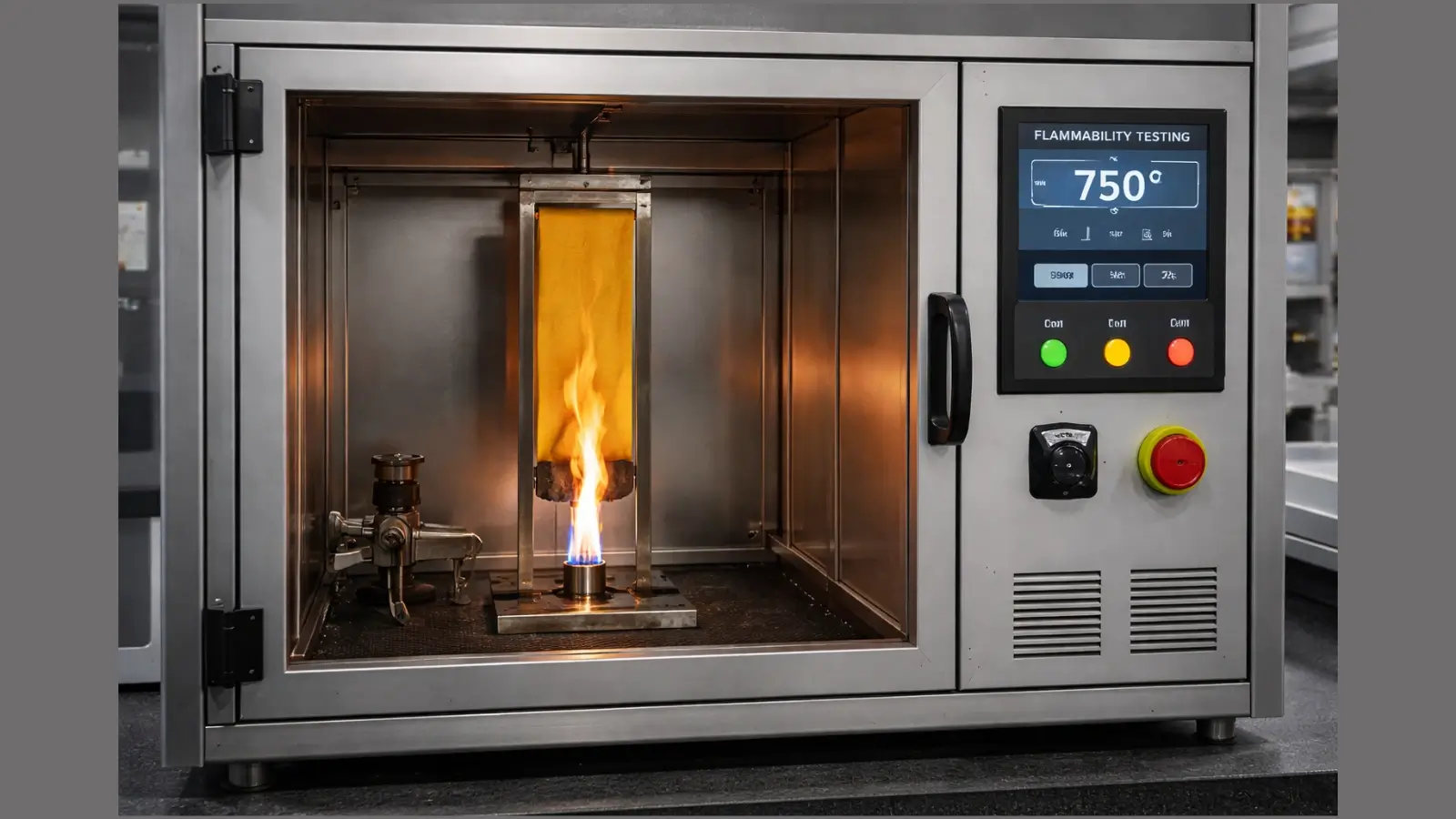
The combustibility test is a simple safety test. It measures how readily a material catches fire and how quickly it burns. Many merchandise around us can burn. Fabrics, plastics, wires, furnishings, and building substances all pose a fire risk. This is why flammability testing is so necessary.
In quite simple phrases, this test facilitates us to recognise whether or not a material is safe or not when confronted with fire or heat. Companies use this check to defend human beings, assets, and merchandise.
What Is a Flammability Test
Many people ask, What is a Flammability Test? It is a test used to see how a material reacts to fire.
During the test, the material is exposed to flame for a brief period. Then, experts look at how it burns.
They check things like:
- Does the cloth trap the heart?
- How fast does it burn?
- Does it prevent burning through itself?
- How much harm is caused by the fireplace?
The answers help decide whether or not the cloth is safe to apply.
Why Flammability Testing Is Important
Fire accidents can cause serious damage. Flammability testing helps reduce these risks.
Here are some simple reasons why this test matters:
-
It improves product safety
-
It protects human life
-
It helps follow safety laws
-
It reduces fire hazards
-
It builds customer trust
Because of these reasons, flammability testing is used in many industries.
Materials That Need Flammability Testing
Many materials must pass flammability tests before use.
Common materials include:
- Material and material
- plastic and rubber
- electric wires and cables
- furnishings foam
- automobile parts
- building materials
If a material can catch fire, it typically requires a flammability test.
How Flammability Tests Are Performed
The test process is simple and controlled. First, a small sample of the material is prepared. The size and shape follow safety standards.
Next, the sample is placed inside a test chamber. A flame is applied for a fixed time. And after removing the flame, the burning behavior is observed.
Test results may include:
-
Burning time
-
Burning length
-
Flame spread speed
-
Dripping behavior
These results show how safe the material is.
Horizontal Flammability Test Method
Horizontal flammability testing is a common technique. In this take a look at, the fabric pattern is located in a flat, horizontal role.
A flame touches one end of the sample. The tester measures how quickly the flame moves throughout the surface.
This take a look at is regularly used to:
- plastic
- car indoor parts
- electric additives
If the material burns slowly or stops burning, it’s miles considered safe.
Vertical Flammability Test Method
In the vertical flammability test, the sample is placed upright. The flame is applied to the lower end of the material.
This method checks:
-
How high the flame travels
-
How long does the material burn
-
Whether burning drops fall
Vertical testing is stricter than horizontal testing. It is often used for fabrics, wires, and safety materials.
Horizontal And Vertical Flammability Chamber
To perform these tests safely, special equipment is used. One standard setup is the Horizontal and Vertical Flammability Chamber.
This chamber is designed to:
-
Control flame size
-
Protect the user
-
Ensure accurate results
-
Follow testing standards
Such chambers are widely used in labs and factories. They help perform both horizontal and vertical tests safely.
Flammability Test Standards
Flammability tests follow global safety standards. These standards ensure fair and reliable results.
Common standards include:
-
ASTM standards
-
ISO standards
-
UL standards
-
FMVSS standards
Following these standards helps companies sell products worldwide.
Industries That Use Flammability Testing
Many industries rely on flammability testing.
Major industries include:
-
Textile and garment
-
Automotive
-
Electronics
-
Construction
-
Aviation
-
Furniture manufacturing
These industries must meet strict fire safety rules.
Benefits of Flammability Testing
Flammability testing offers many benefits.
Some key benefits are:
-
Improved fire safety
-
Better product quality
-
Legal compliance
-
Reduced accident risk
-
Strong brand image
Safe merchandise constantly gains greater consideration from clients. When a product passes flammability testing, clients experience extra confidence in using it in their everyday lives. Companies also keep away from recalls, lawsuits, and legal troubles. This testing allows manufacturers to seem accountable and protection-centric within the market. Over time, this builds a tremendous popularity and supports long-time period enterprise increase.
Understanding Test Results
After the test, the results are carefully reviewed. Engineers study burning time and flame spread.
Simple analysis includes:
-
Comparing test values with standards
-
Checking if material self-extinguishes
-
Observing surface damage
These results help improve product design and material choice. Engineers can see which materials perform better in fire conditions. If a material fails, changes can be made in thickness, coating, or material type. This helps companies choose safer materials before mass production. In the long run, this system improves protection, reduces danger, and increases product reliability.
Final mind
Combustibility testing is a very important protection technique.
It helps check how materials behave when exposed to fire. With simple methods, it gives precise safety results.
Understanding what a Flammability Test is helps manufacturers make safer products. Using tools like the Horizontal and Vertical Flammability Chamber ensures accurate and secure testing.
In the end, flammability testing protects lives, products, and businesses. It is a small test with great importance.