Technological Innovation: How Precision Manufacturing Enterprises Win International
— Combining CNC milling technology with a global manufacturing network is key to building a resilient, efficient, and competitive industrial supply chain.
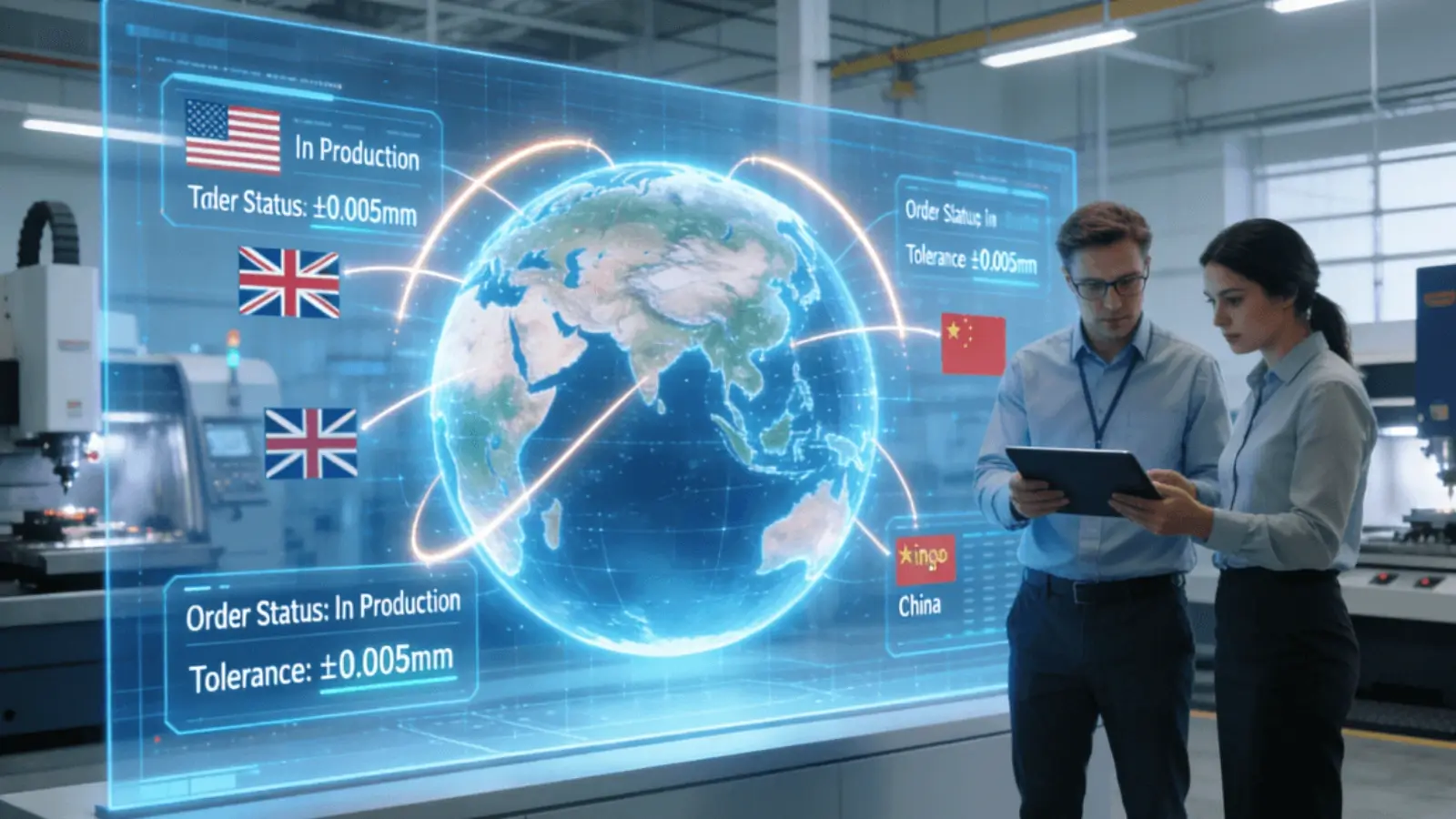
Currently, the global manufacturing industry is in a period of strong growth, particularly in high-tech fields such as aerospace and new energy vehicles. However, many enterprises often encounter challenges during global market expansion, including unstable supply chains, rising production costs, and insufficient precision machining capabilities for complex components (e.g., CNC Milling Aerospace Components). The root cause of these challenges often lies in the reliance on traditional production models. Dispersed suppliers, inefficient process flows, and a lack of lifecycle cost analysis make it difficult for enterprises to achieve true supply chain optimization and sustainable manufacturing.
This article will argue that combining advanced technology innovation(such as intelligent Precision CNC Milling Services) with strategic global manufacturing network layout is key to building resilience and competitiveness. It will reveal how to seamlessly access Milling Services support through partners, ranging from the United States (Milling Services in USA), the United Kingdom (milling services UK), and Singapore (milling services Singapore) to Custom Aluminum CNC Milling China.
What are the biggest supply chain risks in global market expansion and how to optimize them?
In global market expansion, enterprises are facing increasingly complex supply chain risks. Factors such as geopolitical conflicts, trade barriers, and long-distance logistics delays pose severe challenges to production continuity and cost control. The traditional single, lengthy supply chain model appears particularly vulnerable in the face of uncertainty.
Core Strategy: Diversified Layout and Digital-Intelligent Empowerment
Effective supply chain optimization hinges on building a resilient system. The key strategy is to promote a diversified and networked supply chain layout. For example, enterprises can integrate Milling Services resources from different regions (such as Milling Services in USA or manufacturing hubs in Asia) to create complementarity and avoid risks associated with relying on a single region. Simultaneously, deepening the application of digital-intelligent technology is crucial. Leveraging technologies like big data and artificial intelligence enhances supply chain transparency and response agility, shifting from passive reaction to active management.
The Three Pillars of Building a Resilient Supply Chain
To achieve true optimization, enterprises need to focus on three pillars.
1. Geographical Diversification Layout
By establishing or partnering with multiple manufacturing nodes near key global markets, such as the aforementioned USA, UK, Singapore, and China, enterprises can disperse risks, ensuring that incidents in any single region do not halt global operations.
2. Digital Supply Chain Visualization
Utilizing IoT and big data technologies enables real-time monitoring of the entire process from raw materials to finished products, allowing for the prediction and proactive response to potential logistics disruptions or quality deviations.
3. Standardization and Collaboration
Establishing unified quality standards, data interfaces, and communication protocols with global manufacturing partners ensures consistent quality and performance regardless of the production location.
How does technological innovation specifically improve the precision and sustainability of CNC milling?
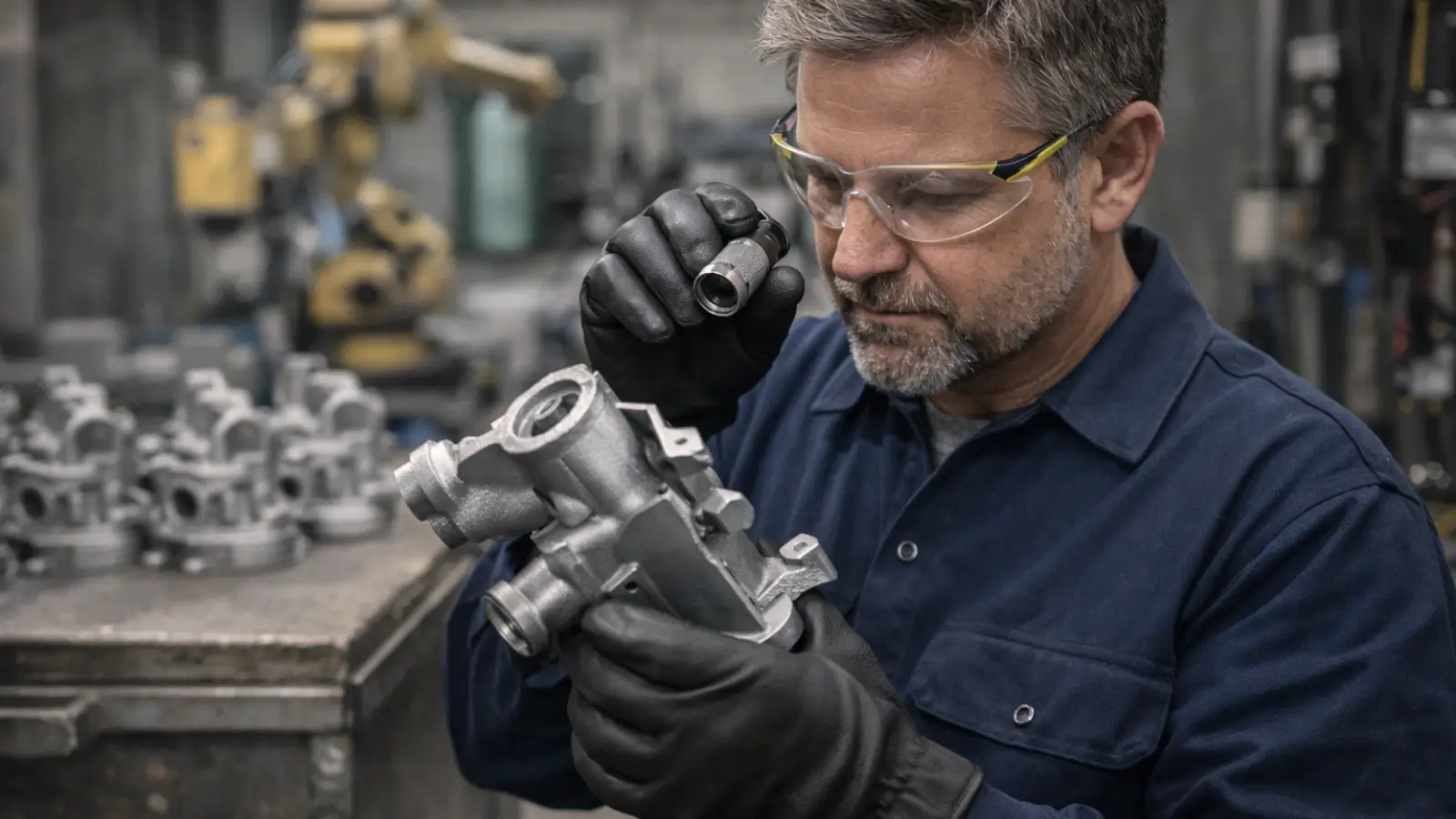
Technology innovation is the core driver for enhancing precision machining capabilities. In high-end manufacturing sectors, such as machining critical CNC Milling Aerospace Components, micron-level tolerance requirements are the norm. Advanced innovative technologies, like real-time thermal error compensation systems and intelligent vibration monitoring technologies, can actively sense and adjust for physical changes during the machining process, ensuring machine tools maintain extreme stability even during prolonged operation, thereby meeting the ultimate precision demands of the aerospace field.
At the same time, technology innovation is also key to achieving sustainable manufacturing. Research data from the U.S. Department of Energy indicates that adopting smart manufacturing technologies can help the manufacturing industry reduce energy consumption by up to 20%.
For international buyers, choosing suppliers that possess top industry certifications such as AS9100D (aerospace) and IATF 16949 (automotive) is a strong guarantee that their Precision CNC Milling Services can systematically and institutionally achieve high precision and sustainable production. Behind these certifications lies a complete set of rigorous process control and continuous improvement systems.
How to make scientific cost vs. performance decisions when facing different materials like stainless steel and aluminum?
In precision manufacturing, material selection directly impacts product performance, lifespan, and total cost. Therefore, scientific decision-making must go beyond simple material price comparisons and comprehensively evaluate the full lifecycle cost of stainless steel vs aluminum. This includes raw material procurement cost, machinability (machining efficiency, tool wear), post-processing requirements (such as anodizing, passivation), and the performance requirements of the final product in terms of strength, weight, corrosion resistance, etc.
The table below briefly compares stainless steel and aluminum alloy across several key dimensions:
|
Characteristic Dimension |
Stainless Steel |
Aluminum Alloy |
|---|---|---|
|
Material Cost |
Higher |
Relatively Lower |
|
Machinability |
Strong work-hardening tendency, fast tool wear |
Easy to cut, high machining efficiency |
|
Weight |
Heavy, density ~7.85 g/cm³ |
Light, density ~2.7 g/cm³ |
|
Strength/Weight Ratio |
High |
Very High |
|
Corrosion Resistance |
Excellent |
Good (usually requires surface treatment) |
|
Typical Applications |
Medical devices, food equipment, high-strength structural components |
Aerospace, automotive lightweighting, consumer electronics |
Taking Custom Aluminum CNC Milling China as an example, the mature supply chain and scaled production capabilities in this region allow for fully leveraging the material cost and machining efficiency advantages of aluminum alloy when processing parts on a large scale, optimizing the overall cost structure for customers. For instance, suppliers like JS Precision can provide such professional consulting services to help clients make informed decisions.
When selecting a global precision machining partner, which certifications and capabilities are non-negotiable?
When enterprises extend their production capabilities globally, auditing the qualifications of manufacturing partners is the first line of defense for ensuring quality consistency. ISO 9001 is the baseline for a quality management system, ensuring basic organizational process control; ISO 14001 demonstrates the supplier's commitment to environmental management and sustainable manufacturing. For specific industries, IATF 16949 (automotive) and AS9100D (aerospace) are almost mandatory thresholds, representing the highest standards in risk management, traceability, and product consistency.
These certifications are far more than just pieces of paper; behind them lies a systematic capability for process control, continuous improvement, and problem-solving. They are the cornerstone for delivering reliable Precision CNC Milling Services, ensuring that regardless of which global facility of the supplier produces the order, the output maintains consistent quality. Therefore, when selecting a partner, scrutinizing their certification system is a critical step in assessing their ability to handle the tasks of global market expansion.
How to integrate dispersed global manufacturing capabilities into an efficient "virtual factory"?
In the face of complex global markets, the highest level of supply chain optimization involves integrating manufacturing capabilities distributed around the world into an efficient and collaborative "virtual factory" through technology innovation. This model enables enterprises to flexibly and transparently allocate global Milling Services resources as if scheduling internal production lines, thereby efficiently supporting global market expansion.
Implementation Path: Digital Platform and Standardized Collaboration
The core lies in using digital technologies such as industrial cloud platforms, IoT, and big data to achieve real-time data connectivity and task coordination among global manufacturing nodes. Through unified process standards and data interfaces, enterprises can dynamically select the optimal production base based on customer location, tariffs, and logistics costs, significantly enhancing supply chain response speed and resilience.
Strategic Value: Enabling Global Agile Manufacturing
The "virtual factory," through its centralized scheduling and decentralized execution model, empowers enterprises with global agile manufacturing capabilities. Enterprises can rely on partners with strong technical integration and project management capabilities, such as suppliers offering Comprehensive CNC milling solutions, to achieve efficient cross-regional resource coordination. This optimizes comprehensive manufacturing costs while ensuring quality and delivery timelines.
Conclusion
In summary, in the new cycle of the global manufacturing industry growing at 7.5%, the key to success is no longer just possessing advanced equipment, but whether an enterprise can build a global precision manufacturing network centered on technology innovation, guided by the concept of sustainable manufacturing, and guaranteed by top-tier certification systems. By deeply optimizing the supply chain and effectively utilizing advanced manufacturing services like Precision CNC Milling Services, enterprises can transform broad market opportunities into definite competitiveness and profits.
Is your manufacturing blueprint ready to face the challenges and opportunities of the global market? Immediately assess the resilience of your supply chain and the capabilities of your technology partners. Access professional resources to start planning your next-generation precision manufacturing strategy.
Author Bio
The author is an independent consultant specializing in industrial technology, with over ten years of experience providing market insights and operational optimization advice to industrial enterprises, helping manufacturing companies achieve global market expansion and cost reduction through precision machining technology innovation and supply chain restructuring.
FAQs
Q1: For a hardware startup, when is the right time to start considering a global precision manufacturing supply chain?
A1: It is advisable to start planning upon completing prototype verification and preparing for small-batch trial production. Establishing early connections with reliable partners possessing multi-regional service capabilities can help avoid production bottlenecks and supply chain disruptions during subsequent scaling.
Q2: What specific practices does "sustainable manufacturing" refer to in CNC machining?
A2: It mainly includes selecting eco-friendly materials, optimizing machining programs to reduce waste and energy consumption, using efficient coolant and its recycling systems, and ensuring factories comply with environmental management system standards like ISO 14001, thereby reducing the overall environmental footprint of the production process.
Q3: Is AS9100D certification important for non-aerospace enterprises when selecting suppliers?
A3: Very important. AS9100D is an aerospace quality system standard, extremely stringent. It signifies that the supplier has reached the highest level in document control, process traceability, risk management, and continuous improvement, serving as a strong proof of quality and reliability.
Q4: How can consistent quality be ensured when selecting overseas precision machining services under cost pressure?
A4: The key lies in choosing partners with globally unified quality standards and project management systems. They ensure consistent output quality regardless of the production location through identical certifications (e.g., ISO 9001), standardized process documentation, and centralized quality monitoring systems.
Q5: Besides material cost, what are the main factors affecting the total cost of CNC milled parts?
A5: Main factors include: the complexity of the part design (affecting programming and machining time), order batch size (affecting the per-unit allocation of fixture and setup costs), the machinability of the selected material, and the required tolerances and surface finish levels. Professional suppliers provide comprehensive cost analysis.