Advanced Low Voltage Main Switchboard Supporting Complex Power Requirements
— Advanced low voltage main switchboards are essential for safe, efficient, and scalable power distribution in modern electrical systems.
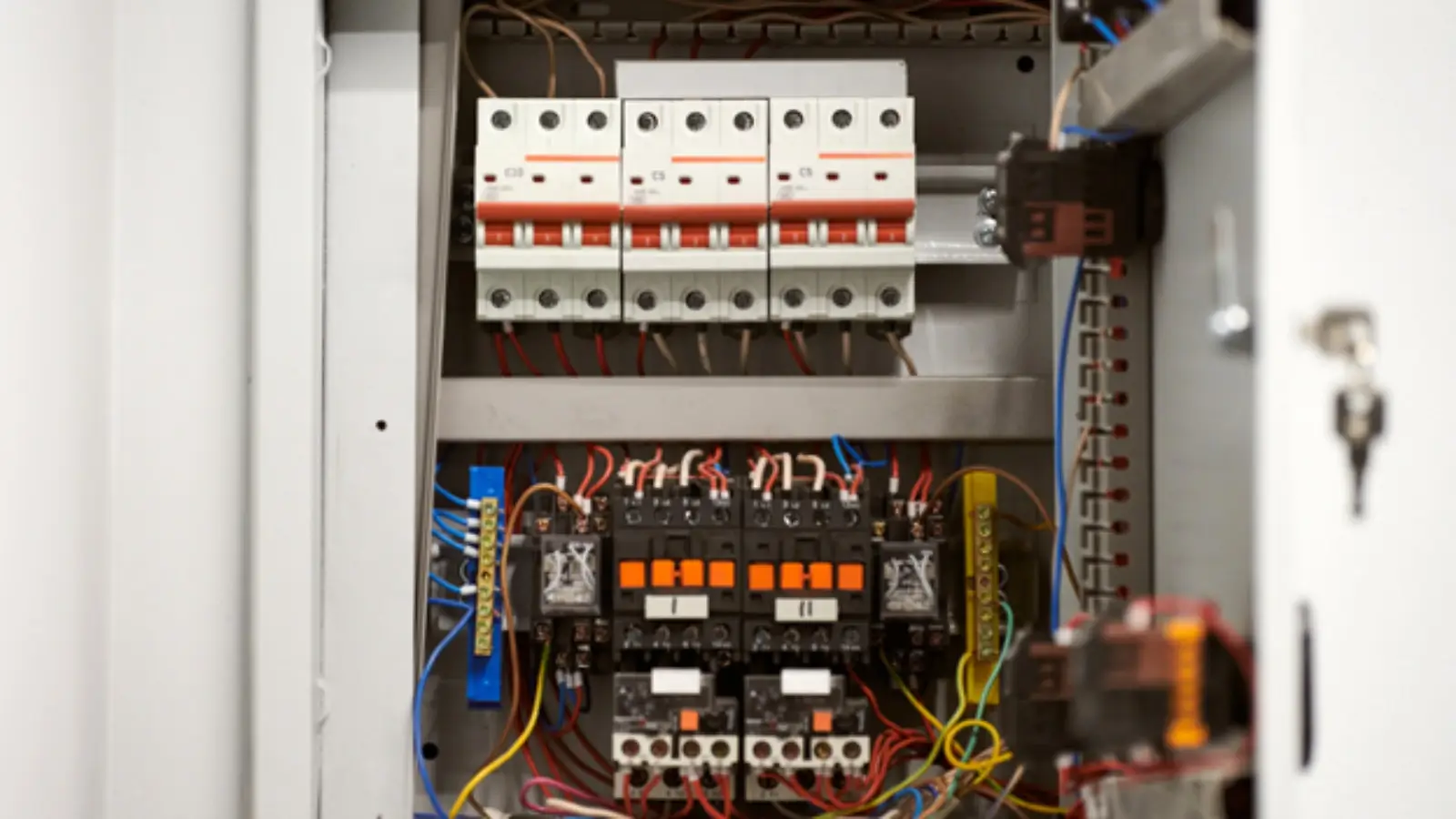
Modern electrical systems have evolved dramatically, with businesses, industries, and even residential properties relying on increasingly sophisticated technology. As power demands increase and infrastructure becomes more complex, the need for reliable, high-performance electrical distribution has never been greater. At the center of these systems lies the low voltage main switchboard—a core component responsible for power distribution, system protection, and operational continuity.
An advanced low voltage main switchboard is designed to support complex electrical requirements by offering exceptional efficiency, safety, and management capabilities. This article explores its importance, modern features, performance advantages, and why it is essential for contemporary electrical environments.
Understanding the Role of a Low Voltage Main Switchboard
A low voltage main switchboard (LVMSB) is the central point of distribution for electrical power within a facility. It receives energy from the transformer or utility source and distributes it to various downstream circuits, sub-panels, and equipment.
Why Modern Infrastructure Needs Advanced LV Main Switchboards
Electrical systems today support:
- Automated machinery
- Smart building technologies
- High-performance computing
- HVAC and energy management systems
- Communication networks
- Renewable energy integration
To handle complicated loads and dynamic electrical conditions, only a high-quality, advanced LV main switchboard can ensure optimal performance.
Key Features of Advanced Low Voltage Main Switchboards
1. Superior Build Quality and Environmental Protection
Modern LV switchboards are built using premium-grade materials such as galvanized steel or aluminum, offering protection against environmental factors like moisture, dust, heat, and vibrations. This is essential for maintaining safety and ensuring long service life, especially in industrial or outdoor installations.
Enclosures are often designed according to IP (Ingress Protection) and IK (Impact Protection) ratings, guaranteeing durability and resistance to external conditions.
2. High-Performance Circuit Protection Devices
Advanced LV switchboards incorporate:
- MCCBs (Molded Case Circuit Breakers)
- ACBs (Air Circuit Breakers)
- RCDs (Residual Current Devices)
- Surge protection devices
- Intelligent relays and fuses
These components protect electrical systems from overloads, short circuits, earth faults, and voltage fluctuations—preventing costly damage and ensuring safety.
3. Modular and Expandable Architecture
Modularity is a defining feature of modern low voltage switchboards. Modular designs allow for:
- Easy expansion of circuits
- Future load enhancements
- Integration of new protection devices
- Convenient maintenance or component replacement
For growing facilities or businesses expecting future electrical upgrades, modularity ensures long-term scalability.
4. Intelligent Monitoring and Control Systems
Advanced switchboards now include digital monitoring solutions such as:
- Smart meters
- Power quality analyzers
- Load monitoring systems
- SCADA (Supervisory Control and Data Acquisition) integration
- IoT-enabled sensors
These allow real-time data collection for:
- Energy management
- Predictive maintenance
- Performance optimization
- Remote monitoring and control
With smart technology, users can improve efficiency, reduce downtime, and detect issues before they escalate.
5. Efficient Busbar and Cable Management
An LV switchboard uses copper or aluminum busbars that efficiently distribute power. High-performance busbar systems are designed to:
- Reduce electrical resistance
- Minimize heat generation
- Maintain voltage stability
- Support high fault levels
Proper cable routing ensures ease of maintenance and reduces the risk of overheating or accidental damage.
Performance Benefits of an Advanced LV Main Switchboard
1. Enhanced Electrical Safety
Safety is the primary benefit of a well-designed LV switchboard. It ensures protection from:
- Short circuits
- Overloads
- Ground faults
- Electrical fires
- Surge-related equipment failure
Enhanced protective measures safeguard property, equipment, and lives—making them essential for all modern settings.
2. Reliable Power Distribution
In environments where power reliability is crucial—such as hospitals, data centers, and manufacturing plants—a dependable LV main switchboard ensures that power is delivered consistently to all necessary circuits without interruptions.
3. Supports Complex and High-Demand Loads
Modern switchboards handle a wide range of electrical needs, from heavy machine loads to sensitive electronic devices. Their precision-engineered components ensure smooth operation even when loads vary throughout the day.
4. Improved Energy Efficiency
Advanced LV switchboards help reduce power losses and provide tools for better energy management. Smart monitoring systems empower users to track consumption and optimize usage, contributing to lower energy bills and a more sustainable operation.
5. Reduced Maintenance and Downtime
With strong construction, organized internal layouts, and intelligent monitoring, advanced switchboards require less maintenance. Predictive alerts help technicians resolve issues before they lead to breakdowns. This reduces downtime and improves productivity, especially in commercial and industrial facilities.
Applications of Advanced Low Voltage Main Switchboards
1. Industrial Facilities
Factories, warehouses, and mechanical plants rely on LV switchboards to manage high-capacity machinery. These environments demand:
- High fault-level tolerance
- Robust busbars
- Industrial-grade protection devices
- Scalability for future expansions
2. Commercial Buildings
Offices, malls, hospitals, and other commercial properties require stable, safe, and efficient power distribution to support:
- HVAC systems
- Elevators
- Lighting
- Security systems
- IT networks
An advanced LV switchboard ensures uninterrupted business operations.
3. Residential Complexes
Large residential developments demand reliable power supply for appliances, lighting, and common-area facilities. Low voltage switchboards ensure:
- Safety for occupants
- Efficient load distribution
- Compatibility with renewable energy solutions like solar power
Choosing the Right Low Voltage Main Switchboard
When selecting or upgrading an LV switchboard, consider:
- Load capacity and expected growth
- Compliance with local electrical standards
- Environmental protection ratings (IP, IK)
- Modular expansion capabilities
- Quality of protective devices and breakers
- Integration with smart monitoring systems
- Manufacturer reliability and certification
Consulting certified electrical professionals ensures correct installation, safety compliance, and long-term performance.
Conclusion
Advanced low voltage main switchboards play a critical role in supporting the complex electrical requirements of today’s homes, commercial buildings, and industrial facilities. Their superior design, robust protection systems, intelligent monitoring, and modular flexibility make them a cornerstone of modern electrical infrastructure. By ensuring safety, reliability, energy efficiency, and ease of future expansion, these switchboards provide long-lasting performance and peace of mind for property owners and facility managers.
Investing in a high-quality LV main switchboard means investing in the stability and efficiency of your entire electrical system—making it an essential component in an increasingly power-dependent world. For tailored guidance, expert recommendations contact us today and let our specialists support you every step of the way.