Back Support Belt: Industrial Safety
— Industrial back support belts can assist posture awareness when used appropriately and in alignment with OSHA requirements.
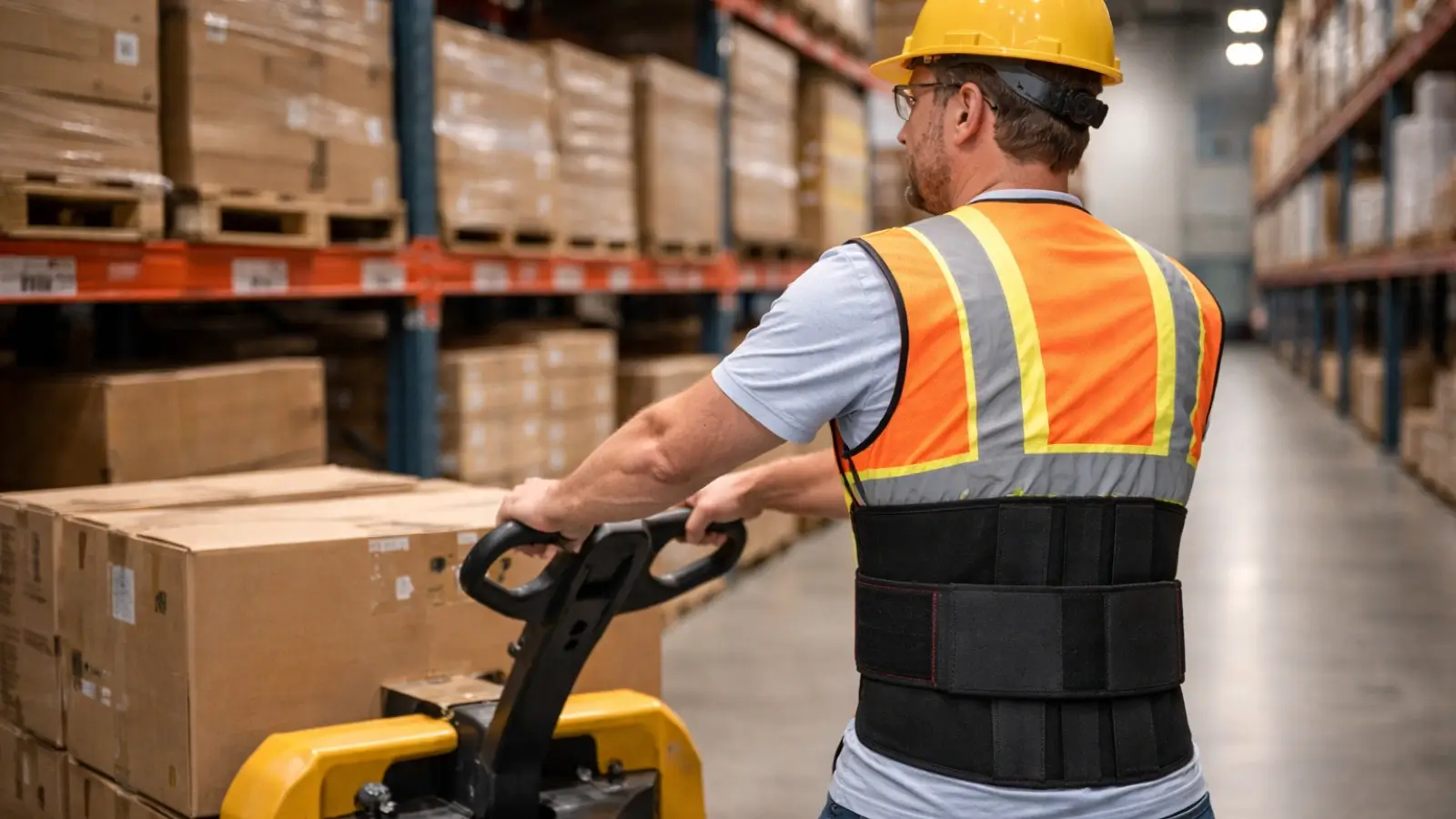
Operational safety in warehouse and light industrial environments depends on protecting the workforce that keeps daily operations moving. In this context, back support belts are often introduced as part of broader safety programs for teams working with Industrial Equipment and performing manual handling tasks. When applied correctly and paired with ergonomics, belts can support posture awareness and reduce fatigue during repetitive motion.
However, belts are not standalone solutions. Their value depends on how they are integrated into real workflows. Whether employees are supporting Sealing Machine or Filling Machine operations, risk management must remain data-driven, measured against output, safety performance, and return on investment across shifts. The next step is evaluating the back support belt performance under actual workplace conditions.
Assessing Back Support Belt Effectiveness
Evaluating belt use in workplace safety starts with evidence, not anecdotal feedback. A two-year study published by the Journal of the American Medical Association reported a 0% difference in back pain outcomes between frequent belt users and those who rarely wore them. OSHA and NIOSH both classify belts as personal protective equipment rather than engineering controls and cite limited evidence supporting injury prevention claims.
UCLA research following a 1996 retail study observed reduced injuries only when belts were combined with body mechanics training. Spine researchers have also shown that workplace stress increases lifting strain, a condition common during peak demand periods or understaffed shifts. For recovery contexts, the American Physical Therapy Association notes the benefits of structured support, which can extend to back support for office workers when prolonged seated tasks are managed correctly and not treated as primary protection.
Evaluating Office Ergonomics for Back Health
As reliance on belts is examined, attention shifts to workstation design and daily spinal loading. Office ergonomics directly influences back support with belt policies because prevention begins before any brace is introduced.
-
Workstation Fit: Proper chair height, desk clearance, and monitor alignment reduce sustained lumbar flexion during long seated tasks. NIOSH notes static sitting increases spinal disc pressure compared with neutral supported postures.
-
Task Variability: Alternating seated and standing tasks limit continuous muscle fatigue that belts cannot offset. Research reviews show no consistent evidence that belts prevent low back pain in symptom-free workers.
-
Worker Awareness: Education helps staff identify early discomfort before it becomes a reportable injury. Medical literature consistently emphasizes training and ergonomics over braces for primary prevention.
Facilities see better outcomes when ergonomic design and education complement any back support with a belt policy.
Implementing Safe Lifting Practices in Offices
Ergonomic groundwork supports safer handling habits when theory meets daily movement. Even in office-adjacent environments, lifting boxes, equipment, or stored materials can strain the back when pace increases or fatigue sets in. While back support belts are often suggested, NIOSH maintains there is insufficient evidence that they prevent sprains or strains on their own.
Early studies showing reduced lost-time injuries relied on unrealistically high belt compliance rates. Later research in both the United States and Australia found no clear safety improvement from belt use alone. Injury reduction occurs when root causes are addressed, including excessive load weight, poor form, missed rest breaks, and rushed decision-making. Effective programs combine lifting technique guidance with human factors awareness so habits hold under pressure.
Industrial back support belts can assist posture awareness when used appropriately and in alignment with OSHA requirements. Technopack’s adjustable back support belt with suspenders is designed to provide a consistent fit, breathable construction, and stability during extended shifts. Within operations using Sealing Machine, Filling Machine, and Conveyor Machine systems, belts function as supplemental PPE without disrupting throughput.
When PPE is integrated alongside Industrial Equipment design and ergonomic planning, facilities reduce injury exposure, maintain compliance, and protect productivity where downtime directly impacts ROI. Stocked in U.S. warehouses, Technopack back support belts are supported by fast shipping, consistent sizing, and service aligned with real plant and office-adjacent operational needs.