Can a $500 'Cylinder Arm' Clone Actually Sew a Saddle, or Is It Just a Boat Anchor?
— In the end, you pay for the steel—either in dollars or in hours of frustration and repair.
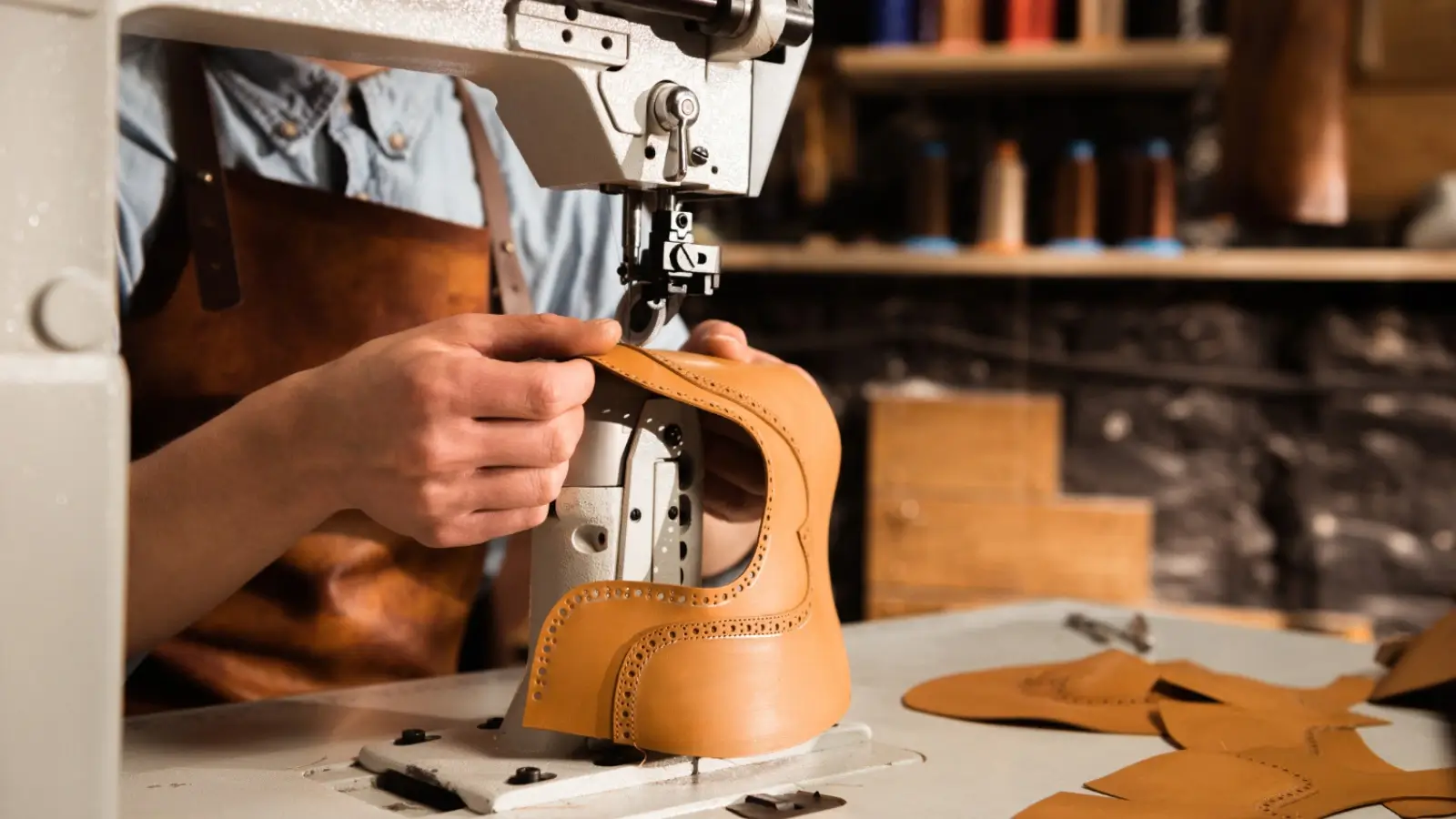
In the world of leathercraft, there is a specific rite of passage. It happens when you finally tire of the two-needle hand stitch. Your fingers are calloused, your time is limited, and you decide it is time to mechanize.
You go online and see the price of a genuine industrial cylinder arm machine—perhaps a Juki or a Cowboy—and you recoil. Three thousand dollars. It is a massive investment.
Then, you see it. A cast-iron, hand-cranked machine that looks like it belongs in a Victorian cobbler’s shop. It is listed on eBay or Amazon for $500, sometimes less. It claims to sew through half an inch of leather. It looks rugged. It looks like a steal.
This is the "Chinese Shoe Patcher" (often a clone of the Singer 29K), and for thousands of aspiring leathersmiths, it is either a miracle tool or a 60-pound paperweight. The difference usually comes down to your mechanical patience, not your sewing skill.
The Allure of the Cylinder Arm
To understand why these machines are so tempting, you have to understand the geometry of leather. If you are sewing a flat belt, any machine will do. But if you are sewing a bag, a boot, or a holster, you are working in 3D. You cannot lay a tube flat on a table to sew it; you need to slide the work over the machine.
This is the function of the cylinder arm. It allows the machine to reach inside tight spaces—the toe of a boot or the gusset of a purse. The cheap clones offer this specific geometry at 10% of the price of a motorized industrial unit.
The Casting Lottery
The problem with the cheap clones is not the design; the design is over 100 years old and proven. The problem is the metallurgy.
These machines are often sand-cast in factories with loose quality control. When you unpack one, you will likely find it covered in grease and smelling of crude oil. This is to prevent rust during shipping, but it hides the flaws.
The internal gears and cams on these clones are often made of soft, low-grade metal. In a $3,000 machine, the parts are hardened steel, machined to micrometric tolerances. In a $500 clone, the parts are rough-cast. This means that out of the box, the machine feels "crunchy." The hand crank doesn't glide; it grinds.
More importantly, the needle bar might have "slop" or wiggle room. When you are trying to pierce 10mm of veg-tan leather, you need the needle to drive perfectly straight. If the metal is soft, the needle bar deflects. The needle hits the bobbin plate, snaps, and you have a shrapnel problem.
The "Timing" Nightmare
The most critical aspect of any sewing machine is "timing." This is the synchronization between the needle going down and the hook underneath grabbing the thread loop. It has to happen within a fraction of a millimeter.
On a high-end heavy duty leather stitcher, the timing is locked in by precision screws and hardened shafts. It holds for years.
On a cheap clone, the vibration of using the machine can cause the soft screws to back out or the soft gears to slip. You might sew a perfect stitch for ten minutes, and then suddenly the machine stops picking up the bobbin thread. You spend the next two hours with a screwdriver, trying to re-sync the hook. For a hobbyist who loves tinkering with engines, this is part of the fun. For a business owner trying to fulfill an order, it is a catastrophe.
The Verdict: Project Machine vs. Production Machine
So, is it a boat anchor? Not necessarily.
If you treat the $500 clone as a "kit" rather than a finished product, it can work. Many leatherworkers buy them, strip them down, polish the rough gears with a Dremel, replace the worst screws with high-quality steel, and oil them properly. With about 10 hours of labor, you can turn a clunky clone into a serviceable machine for light repairs or occasional hobby work.
However, if you are looking to sew saddles, holsters, or heavy tack professionally, the physics simply aren't there. These machines lack the "walking foot" power to climb over thick seams without losing stitch length consistency, and they lack the piercing power to handle dense saddle skirting without eventually bending their own internal components.
In the end, you pay for the steel. You can pay for it in dollars, or you can pay for it in hours of frustration and repair. The clone has its place in the hobbyist's garage, but it should stay far away from the production line.