Business owners lose sleep over cybersecurity breaches, market swings, and supply chain headaches. But one of the oldest risks out there keeps getting ignored: physical security. Think about it. Companies pour money into firewalls and encryption while leaving their actual front doors wide open. As we push further into 2025, the smartest organizations are waking up to something obvious. You cannot manage risk properly if you forget to protect the physical spaces where your people and assets actually exist.
The safety conversation has changed a lot in recent years. What used to matter only to banks and jewelry stores now hits every industry you can name. Retail stores deal with organized theft rings. Healthcare workers face aggressive patients. Corporate offices try to keep things open and collaborative while still controlling who gets in. Even practices from residential security are showing up in commercial spaces now, as business owners look for ways to make people feel safe without turning their buildings into bunkers. This is not just about stopping theft anymore. It is about creating places where employees, customers, and visitors actually feel protected.
What Inadequate Security Really Costs You
The FBI's Uniform Crime Reporting Program says property crime dropped 8.1% in 2024. Burglary fell 8.6%. Larceny went down 5.5%. Sounds great on paper. But those averages hide massive differences between regions and miss some ugly trends that should worry anyone running a business. Organized retail crime still hammers major cities. Cargo theft hit over 40,000 reported incidents last year. And workplace violence? The human toll there goes way beyond anything a chart can show.
Money problems from security failures pile up fast. An incident happens, and suddenly you are dealing with workers' comp claims, higher insurance rates, lawsuits, and turnover. People who feel unsafe at work quit. Hiring their replacements costs somewhere between half and double their yearly salary. That security system you kept putting off starts looking pretty cheap by comparison.
What Good Security Actually Looks Like Now
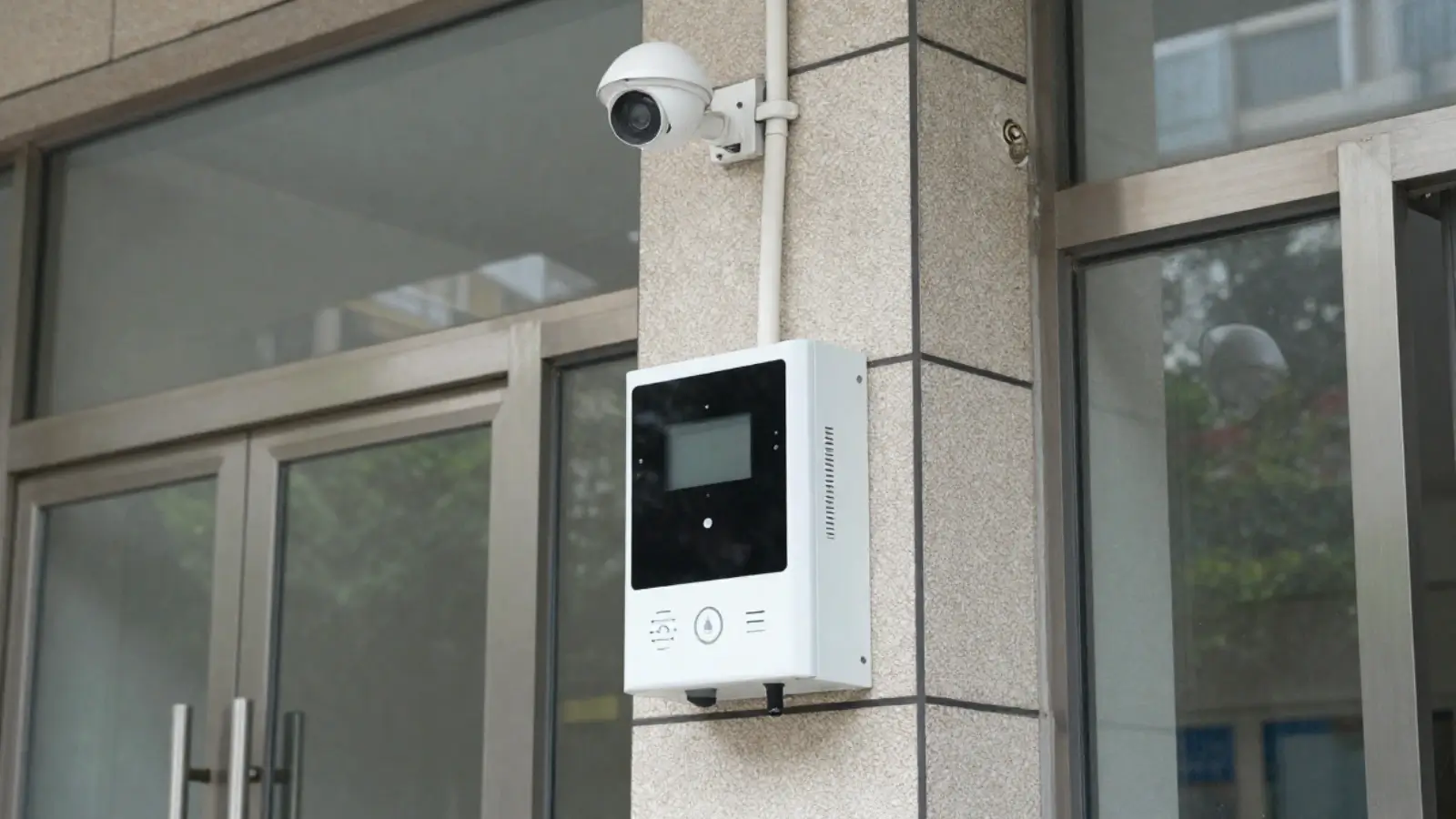
The old model of putting a guard at a desk to check badges is dying out. Today's security operations mix human skills with tech in ways that would have sounded crazy ten years ago. Drones cover big properties faster than foot patrols ever could. Mobile camera trailers get dropped at construction sites, empty buildings, or event venues on short notice. Monitoring centers use AI to spot suspicious activity in real-time feeds before anything bad happens.
Tech by itself will not save you though. The programs that actually work combine these tools with trained people who understand what each specific location needs. Warehouses have different weak spots than hospitals. A retail store downtown faces different problems than one in a strip mall out in the suburbs. Generic approaches fall flat. What works is finding partners who will take the time to figure out your specific situation and build something that fits.
Regulators Are Paying Attention
Government agencies have noticed the workplace violence problem. OSHA keeps pushing the point that employers must give workers a place free from recognized dangers, and that includes violence risks. California passed Senate Bill 553, which kicked in during 2024. Now most employers there have to keep written violence prevention plans, run regular training, and log incidents in detail. Other states are watching and thinking about doing the same thing.
This is not just paperwork for the sake of paperwork. There is real agreement building that employers carry responsibility for keeping their people safe. Companies that get ahead of these rules end up better prepared for inspections, better protected in court, and better positioned to hire good people. Job seekers look up safety records before they accept offers now. Being known as a company that takes this stuff seriously can set you apart from competitors.
Getting Your Team to Actually Care About Security
You can install the fanciest security system on the market, and it will still fail if employees prop doors open or share access codes with random people. Real security needs buy-in from everyone. That starts at the top. Leaders have to show through what they do, not just what they say, that safety matters. When an executive walks past someone breaking protocol and says nothing, that sends a message. And it is not the message you want.
Training makes a huge difference here. People need to know not just what the rules are but why those rules exist. They should be able to spot suspicious behavior, know who to call in different situations, and handle tense moments without making things worse. Running drills keeps these skills sharp. And you need a way for frontline workers to flag concerns or offer suggestions without worrying about getting in trouble for speaking up.
Finding a Security Partner That Actually Delivers
Security companies range from giant national chains to small local outfits that have been around for decades. When you start looking at options, go past the hourly rate. Check qualifications. Ask about training programs. Look at what industries they have worked in. Get references from businesses similar to yours and actually call them. A company that kills it at event security might struggle with the day-in, day-out attention a manufacturing plant requires. Specialization counts for a lot.
Veterans and former cops bring something different to security work. They trained for years to read situations, assess threats, and stay calm when things go sideways. Companies run by people with that background tend to hold their teams to higher standards. The guards protecting your business get vetted properly and keep training over time. When someone's safety is on the line, that experience matters.
What Comes Next
Physical security will keep changing as new tech comes out and threats shift around. The businesses that do well will treat security as an ongoing priority instead of something you set up once and forget about. They will build real relationships with security providers, stay on top of new regulations, and create cultures where everyone feels responsible for keeping the place safe. With risks coming from every direction these days, that commitment to protection becomes the base that everything else rests on.