Key Takeaways
-
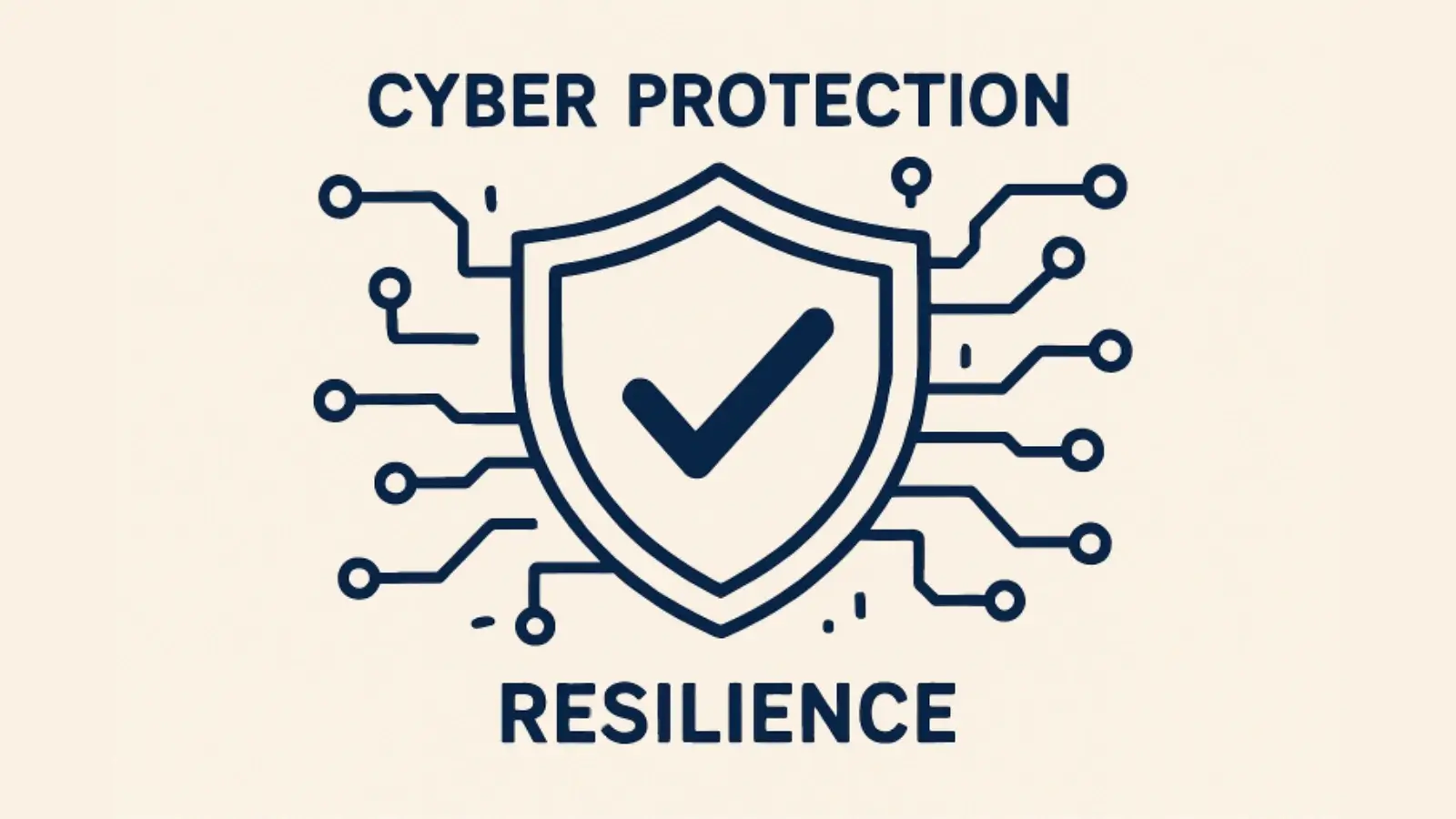
Cyber resilience is essential for organizations to survive and thrive amid continuous and evolving cyber threats.
-
Building a resilient environment requires integrated risk assessments, robust response planning, continuous monitoring, and employee education.
-
Regulatory frameworks, such as the EU's Cyber Resilience Act, set new standards that organizations must follow.
-
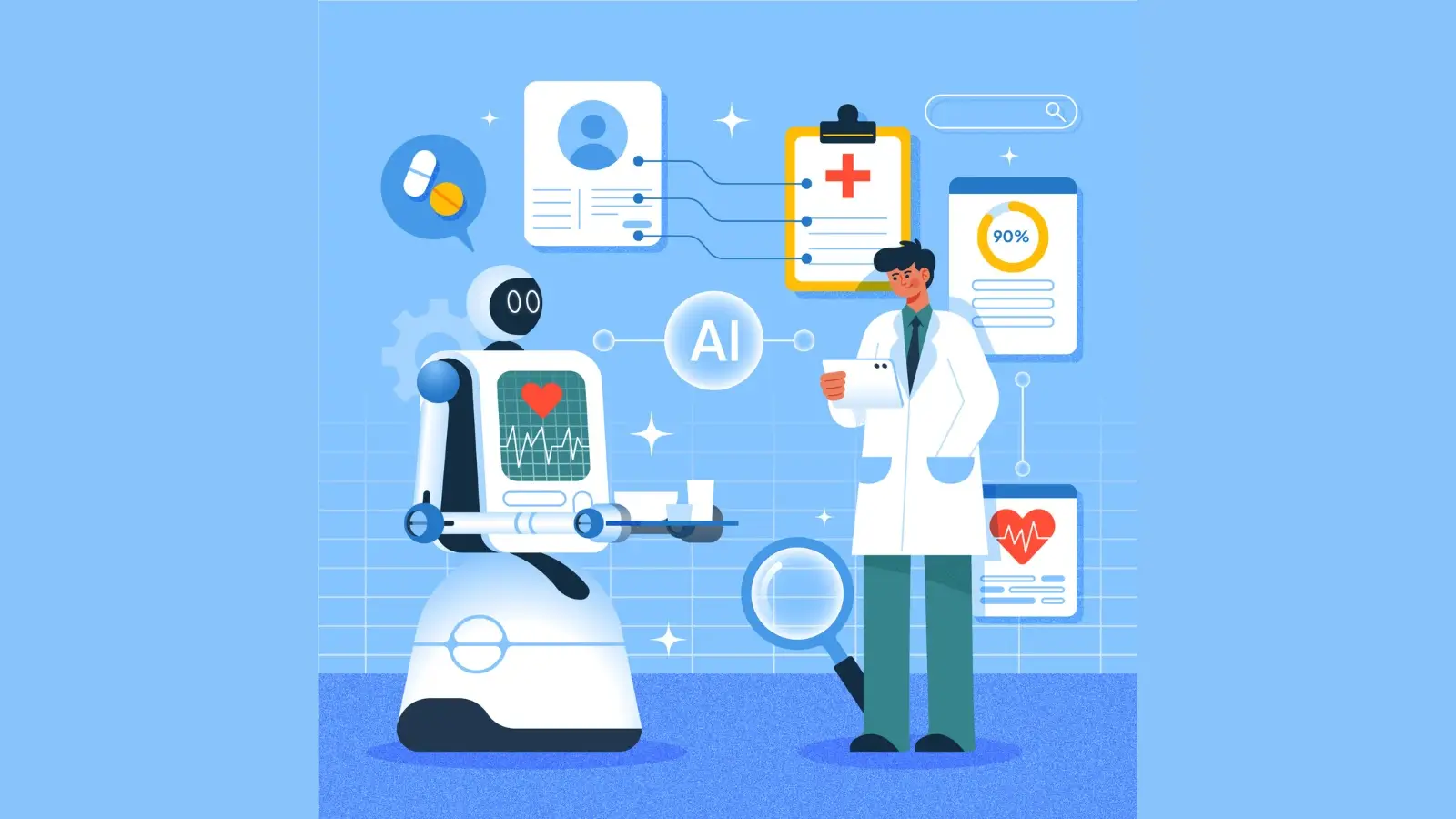
Leveraging emerging technologies, such as AI and machine learning, is critical for proactive defense and operational continuity.
Understanding Cyber Resilience
Cyber resilience is about more than just defending against threats; it’s the foundational capability for organizations to maintain operations, preserve data integrity, and recover quickly after adverse cyber events. As digital transformation continues to expose new vulnerabilities, cyber resilience sits at the heart of sustainable business continuity. Businesses seeking expert cyber resilience services can better protect themselves, from prevention through rapid recovery, ensuring adaptability in a shifting threat landscape.
Unlike traditional cybersecurity strategies, cyber resilience encompasses not only protection but also the ability to adapt and respond in real time to sophisticated attacks. The importance of this approach has never been more evident, as organizations increasingly become targets of organized and state-sponsored cyberattacks, often forcing them to reevaluate their strategies and incident response plans rapidly.
Investing in cyber resilience means treating information security as a continuous process, one that evolves to counter new forms of attack and recovers seamlessly even when preventative measures fail.
Executives and security leaders recognize that a resilient organization fosters trust among customers and partners and substantially reduces financial and reputational risks associated with cyber incidents.
The Escalating Cyber Threat Landscape
Cyber threats are growing in both scale and sophistication. Cloudflare reported blocking over 20.9 million DDoS attacks, representing a staggering 358% year-over-year increase. From ransomware and phishing to supply chain attacks, today's threat actors employ advanced tactics, making it essential for organizations to evolve their defenses and resilience strategies. Businesses across sectors face heightened risks as attack vectors become more ingenious and distributed. Successful attacks can disrupt operations, erode stakeholder confidence, and have severe financial consequences, compelling organizations to shift from a purely defensive approach to one centered on business continuity and resilience.
Key Components of Cyber Resilience
-
Risk Assessment: Evaluating critical assets and identifying potential weak points in systems and organizational processes.
-
Incident Response Planning: Crafting and routinely revising action plans for incident detection, mitigation, and recovery.
-
Continuous Monitoring: Utilizing advanced analytics and real-time monitoring tools to spot abnormalities and threats before they escalate.
-
Employee Training: Supporting a security-minded culture by regularly updating team members on new risks and best practices.
-
Collaboration: Maintaining strong intelligence-sharing networks with industry peers, security providers, and regulatory bodies to stay ahead of emerging threats.
Regulatory Frameworks and Standards
In response to the accelerating threat landscape, regulatory frameworks have become instrumental in shaping organizational strategies. The European Union’s Cyber Resilience Act is a prominent example, setting stringent cybersecurity requirements for products with digital elements. This unification of standards helps create a baseline for cyber defense and resilience across member states. Industry-specific regulations, such as the NIS2 Directive and the DORA Act in Europe, require critical sectors to adopt robust security protocols, including enhanced incident reporting and supply chain risk management. These evolving compliance standards are pushing organizations to view cyber resilience not just as a security issue, but as a regulatory and business imperative.
Leveraging Technology for Enhanced Resilience
Cutting-edge technologies are revolutionizing the way organizations safeguard digital assets and ensure business continuity. Artificial intelligence (AI) and machine learning (ML) streamline the detection of advanced threats by analyzing large sets of behavioral data and highlighting potentially malicious activities much faster than manual processes. Zero trust architectures, automated threat remediation, and cloud-based backup systems have become integral components of resilient security strategies. Enterprises adopting next-level cybersecurity tools benefit from more proactive, integrated protection and a more assertive posture against modern cyber risks.
Best Practices for Organizations
-
Develop a Comprehensive Cybersecurity Policy: A robust cybersecurity framework starts with clearly defined policies that cover every stage of potential cyber incidents. This includes proactive prevention measures, detection protocols, incident response procedures, and post-incident recovery plans. Policies should also outline roles and responsibilities, ensuring everyone in the organization knows their part in maintaining security. Regularly reviewing and updating these policies helps align them with evolving threats, compliance requirements, and organizational growth.
-
Regularly Update Systems: Keeping all hardware and software up to date is critical to maintaining a secure environment. Cyber attackers often exploit outdated systems and unpatched vulnerabilities, so instituting a regular patch and firmware update schedule significantly reduces the risk of breaches. Automation tools can help streamline this process, but human oversight ensures that updates are implemented effectively and that critical systems remain operational.
-
Conduct Routine Security Audits: Continuous assessment is key to understanding and improving an organization’s security posture. Security audits, vulnerability scans, and red team exercises simulate real-world attacks to identify weaknesses before malicious actors do. These proactive measures allow organizations to remediate gaps, fine-tune security controls, and stay ahead of emerging threats, ultimately strengthening resilience against cyber incidents.
-
Foster a Culture of Security: Cybersecurity is not solely the responsibility of IT teams; it requires active participation across the organization. By promoting security awareness, providing ongoing training, and encouraging employees to recognize and report suspicious activity, organizations can cultivate a culture where vigilance is second nature. Accountability, recognition of best practices, and clear communication help embed security into everyday digital interactions, reducing the likelihood that human error will compromise sensitive data.
-
Establish Partnerships: No organization should operate in isolation when it comes to cybersecurity. Building strong alliances with cybersecurity specialists, industry groups, and peer organizations enables the sharing of threat intelligence, best practices, and lessons learned from real-world incidents. These partnerships allow organizations to adopt innovative security measures more quickly, respond to emerging threats efficiently, and benefit from collective expertise that strengthens overall defense mechanisms.
Conclusion
Cyber threats are now an unavoidable part of modern business, but building cyber resilience transforms them from existential risks into manageable realities. A truly resilient organization not only defends against threats but also ensures seamless recovery and adaptability. By grounding cyber resilience in robust frameworks, leveraging technology, and implementing proven best practices, organizations can safeguard their digital future, ensure operational continuity, and maintain stakeholder trust—even in the face of ceaseless adversities.