Social media has become an integral part of our daily lives, allowing us to connect with friends, share experiences, and stay informed. However, as much as these platforms bring people together, they also expose users to potential risks, including cyberattacks, identity theft, scams, and malware. Staying safe online requires awareness, vigilance, and the use of reliable security tools.
1. Strengthen Your Passwords
One of the simplest yet most effective ways to protect your social media accounts is by using strong, unique passwords. Avoid using easily guessed information like birthdays, names, or sequential numbers. A combination of uppercase and lowercase letters, numbers, and special characters can make your password more secure. Additionally, consider using a password manager to generate and store complex passwords safely.
2. Enable Two-Factor Authentication (2FA)
Two-factor authentication adds an extra layer of security by requiring a second form of verification in addition to your password. Usually, this involves receiving a code via text message, email, or an authenticator app. Even if someone manages to obtain your password, 2FA can prevent unauthorized access to your accounts.
3. Be Careful with Personal Information
Oversharing personal information on social media can put you at risk of identity theft and scams. Avoid posting sensitive details such as your home address, phone number, or financial information. Even seemingly harmless information, like your pet’s name or your favorite vacation spot, can be used by cybercriminals to guess passwords or security questions.
4. Recognize and Avoid Scams
Social media is often used by scammers to trick users into revealing personal information or downloading malicious software. Be cautious of messages or posts promising free gifts, urging you to click on unknown links, or requesting money. Verify sources before interacting with suspicious content and report scams to the platform’s support team.
5. Adjust Privacy Settings
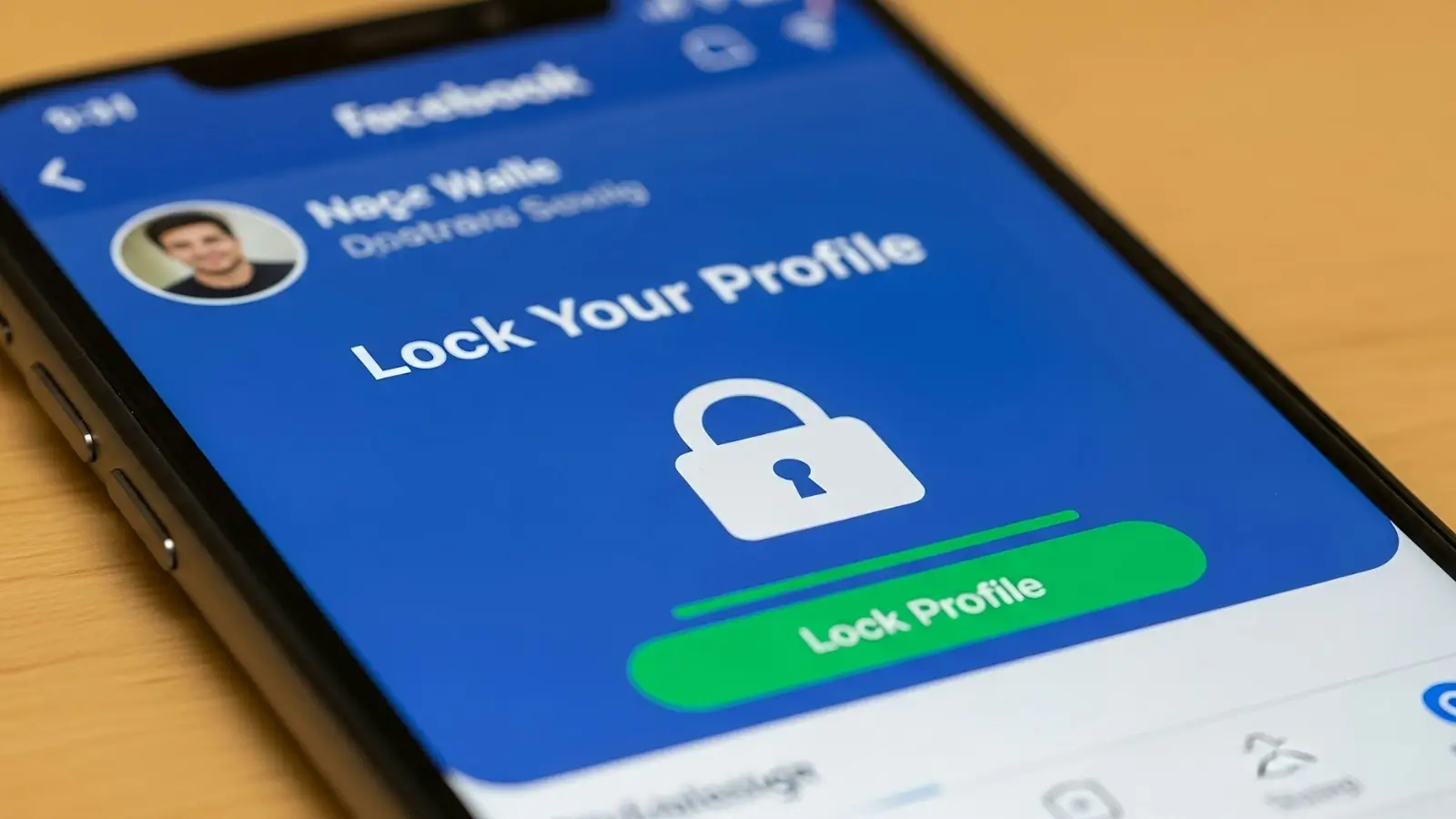
Most social media platforms allow users to control who can see their content. Adjusting privacy settings to limit visibility of your posts, friends list, and personal information can reduce the risk of unwanted attention from cybercriminals. Regularly review these settings, as platforms may update them over time.
6. Avoid Clicking Suspicious Links
Phishing attacks often occur via social media, where malicious links can lead to compromised accounts or malware infections. Always check URLs before clicking, and be wary of shortened links or messages from unknown senders. Using a reputable max security antivirus program can help detect and block harmful links before they affect your device.
7. Keep Software and Devices Updated
Cybercriminals frequently exploit vulnerabilities in outdated software. Ensure that your operating system, apps, and antivirus programs are always up to date. Updates often include critical security patches that protect you from the latest threats.
8. Use Antivirus and Security Software
A comprehensive antivirus solution, such as max security antivirus, can provide real-time protection against viruses, malware, and phishing attacks. It can also scan downloaded files, links, and attachments for potential threats, giving you peace of mind while navigating social media.
9. Educate Yourself and Stay Informed
Cyber threats are constantly evolving, making it essential to stay informed about the latest scams and security practices. Follow trusted sources on cybersecurity, participate in online safety webinars, and educate your family and friends about safe social media behavior.
Conclusion
While social media offers incredible opportunities for connection and engagement, it also exposes users to potential risks. By using strong passwords, enabling two-factor authentication, managing privacy settings, avoiding suspicious links, and relying on reliable tools like max security antivirus, you can significantly reduce your vulnerability online. Staying vigilant and informed is the key to enjoying social media safely and responsibly.