A Visa gift card for business serves as a versatile tool for companies handling employee rewards, client incentives, rebates, and controlled spending across departments. Businesses use these cards instead of cutting checks, processing reimbursements, or managing complicated reward programs that require separate platforms and tracking systems. The cards provide immediate value that recipients can spend anywhere Visa is accepted, which eliminates complaints about restrictive rewards or unused gift cards sitting in drawers. From HR departments managing recognition programs to sales teams incentivizing performance, business-focused Visa gift cards streamline administrative work while giving recipients the flexibility they actually want.
How Businesses Use These for Employee Recognition and Rewards
Companies constantly need ways to recognize achievements without complicated approval processes or delayed payments. Visa gift cards work well for spot bonuses, milestone celebrations, or performance incentives because they can be purchased in bulk and distributed quickly. An employee who exceeded their sales target can receive a $200 gift card the same week instead of waiting for the next payroll cycle.
The administrative simplicity matters a lot. HR departments can order cards in standard denominations, keep them in stock, and hand them out as needed without processing paperwork through accounting every time. This reduces the lag between achievement and reward, which research shows improves the motivational impact. A study from the Incentive Research Foundation found that rewards given within one week of the achievement have roughly 30 percent more motivational impact than delayed rewards.
These cards also solve the problem of varied preferences among employees. One person might want to use their reward for dining out, another for online shopping, and someone else for gas or groceries. Unlike giving everyone the same physical gift or store-specific card, Visa gift cards let each person choose what's meaningful to them personally.
Why Client Incentives and Rebates Work Better on Gift Cards
B2B companies often use rebates or incentives to encourage larger purchases or early contract renewals. Traditional rebate programs involve filling out forms, submitting receipts, and waiting weeks for check processing. Visa gift cards simplify this completely. Companies can provide immediate rebates at the point of sale or mail cards directly to clients who meet specified purchase thresholds.
The instant gratification changes behavior. When a client knows they'll receive a $500 Visa gift card immediately upon signing a twelve-month contract instead of waiting for a rebate check to arrive in six weeks, that influences decision-making. The perceived value is higher even though the actual dollar amount is the same.
Client gifts for holidays or relationship building also work well with these cards. Sending corporate gift baskets or branded merchandise often misses the mark because not everyone wants the same thing. A Visa gift card with a nice presentation package feels premium while giving the recipient choice. It's more practical than wine or fruit baskets that might not suit someone's preferences or dietary restrictions.
Managing Department Budgets and Controlled Spending
Some businesses use Visa gift cards as a budgeting tool for departments or projects. Instead of giving employees corporate cards with high limits and complicated expense reporting, they distribute gift cards loaded with specific budgets. A team traveling to a conference might each receive a $200 card for meals and incidentals.
This approach simplifies expense tracking because there's no reimbursement paperwork afterward. The spending is capped at the card amount, which prevents budget overruns. Finance departments can purchase cards in bulk, track them by department or project, and avoid processing dozens of individual expense reports.
The downside is that detailed transaction data doesn't automatically flow into accounting systems like it does with corporate cards. Businesses lose some visibility into exactly how money was spent. But for situations where that granular detail isn't necessary, the administrative time saved outweighs the lost data.
Bulk Purchasing Advantages for Corporate Programs
Most gift card vendors offer bulk discounts to businesses. Buying 100 gift cards at once typically comes with lower per-card fees than purchasing them individually at retail stores. Some vendors waive activation fees entirely for large corporate orders, which adds up to significant savings.
Businesses can also order customized cards with their logo or branding. This makes the gift feel more connected to the company when used for client incentives or employee rewards. The professional presentation adds perceived value compared to generic retail cards.
Many corporate gift card programs include online management portals where businesses can track card purchases, monitor balances, and order additional cards as needed. This centralized system beats maintaining spreadsheets or receipts from multiple retail purchases. Some platforms even let businesses load and send digital cards via email, which speeds up distribution for remote employees or distant clients.
How These Cards Handle International Employees and Clients
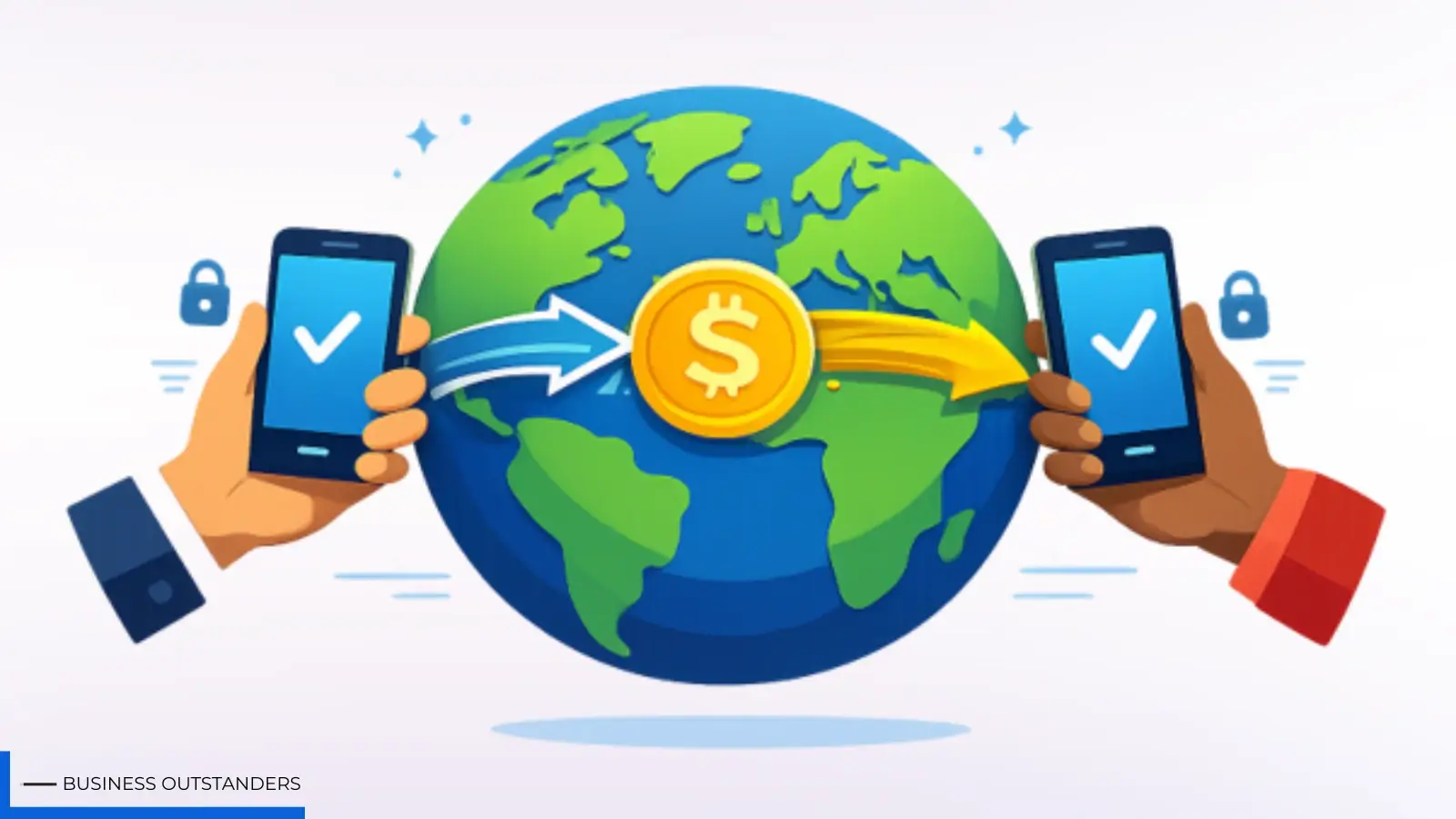
Companies with global workforces or international clients face challenges with traditional rewards. Cutting checks in foreign currencies involves exchange rates and international banking fees. Visa gift cards designed for international use simplify this by working in multiple countries and currencies.
The recipient can use the card in their local currency, and the exchange rate conversion happens automatically at the time of purchase. This eliminates the hassle of depositing foreign checks or dealing with wire transfer fees. For businesses, it means they can use a single reward program globally rather than managing different systems for each country.
Not all Visa gift cards work internationally, though. Businesses need to specifically order cards that support international transactions. These typically cost slightly more but save enormous administrative headaches when dealing with employees or clients across different countries.
Tax and Accounting Considerations for Business Use
Visa gift cards given to employees count as taxable income in most situations. Businesses need to report the value on W-2 forms and withhold appropriate taxes. This is true whether the card is given as a holiday gift, performance bonus, or any other reason. The exception is if the card is given as part of a qualified employee achievement award program that meets specific IRS requirements.
Client incentives have different rules. Rebates or incentives given to business clients are typically reported on 1099 forms if the total value exceeds $600 per year. The client's business then handles the tax implications on their end. Businesses need to track these amounts carefully to ensure proper reporting.
From an accounting perspective, gift card purchases are usually recorded as a prepaid expense when bought, then expensed when distributed. Some companies maintain a gift card inventory account to track cards purchased but not yet given out. The accounting treatment depends on the company's size and internal policies, but proper tracking is important for both financial reporting and tax compliance.
Business Outstanders brings you sharp insights on tech, business, entrepreneurship, law, crypto, and more. We uncover what’s next. Stay updated, sign up for our newsletter and be part of the future!