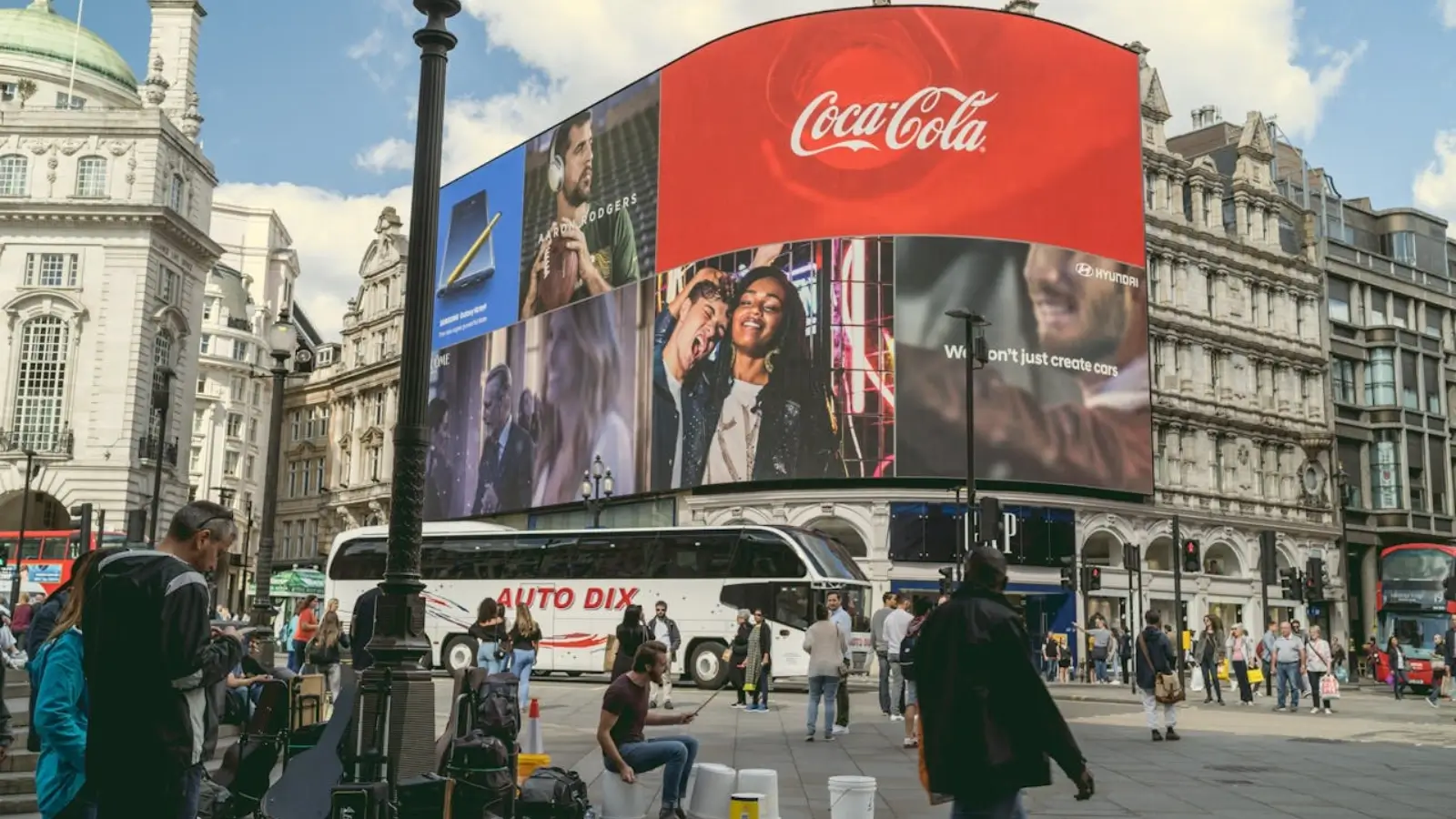
Imagine that you're stuck in traffic on the M25, radio humming in the background, and suddenly a massive board catches your eye with a cheeky slogan or a stunning visual that sticks in your mind for the rest of the day. That's the magic of billboard advertising, a staple of UK roadsides that's refusing to fade into the digital sunset. Even as we scroll endlessly on our phones, these towering displays continue to grab attention in ways few other adverts can match. But is billboard advertising still worth the investment in today's fast-paced world?
The Reach That Digital Dreams Of
One of the biggest draws of billboard advertising is its sheer scale. Stats show that a whopping 98% of the UK population clocks eyes on out-of-home (OOH) advertising every single week. That's nearly everyone, from London commuters to rural drivers, getting hit with your message without even trying. And with 53% more cars on the roads now than 30 years ago, billboards are seeing more eyeballs than ever before. People spend about 70% of their waking hours out of the house, making these ads perfectly timed for when folks are most alert and receptive.
It's not just about numbers though. Research highlights how effective these encounters are; people are 17% more likely to pull out their phone and engage with a brand after spotting an OOH ad. In fact, some campaigns see a 38% spike in mobile interactions, with 66% of those leading straight to the business itself. Picture driving past a billboard for your favourite coffee chain and immediately firing up an app for a loyalty deal. That's the power of blending physical presence with digital follow-through.
Money Talks: How Much Does It Actually Cost?
If you're dipping your toes into billboard advertising, the first question is always the price tag. In the UK, costs swing wildly from £200 to over £5,000 per week, depending on what you're after. A modest static board on a local road might set you back £200 to £800 weekly, perfect for regional businesses testing the waters. Step up to urban 48-sheet posters in busy city spots, and you're looking at £800 to £2,000. Premium digital screens or large-format beasts in prime locations? Easily £1,500 to £6,000 plus.
Location is the real kingmaker here. Central London sites can cost 30 to 100% more than similar ones elsewhere, thanks to insane traffic volumes pulled from Department for Transport data. Book longer campaigns, and you'll snag better rates; short bursts often carry a premium because availability tightens up. Unlike online adverts where you pay per click, billboards charge based on estimated reach from Route, the UK's OOH measurement experts. Rate cards list the maximum price, but savvy negotiators rarely pay full whack, factoring in demand, season, and bundle deals.
Compared to television or print, it's a bargain too. Billboard advertising runs 80% cheaper than TV slots, 50% less than newspapers or magazines, and 60% under radio bursts. For small businesses, that's a game plan to punch above their weight without breaking the bank.
The Market's on Fire: Growth Stats That'll Surprise You
The numbers back up the buzz. The UK billboard and outdoor advertising market pulled in USD 1,574.5 million back in 2023, with forecasts hitting USD 2,399.9 million by 2030 at a steady 6.2% CAGR. Static billboards still rule with 38.21% share, but digital ones are sprinting ahead as the fastest grower. Overall OOH revenue smashed £1.4 billion in 2024, up from £1.3 billion the year before, and it's tipped to climb further into 2026 with projections around 4.1% growth to £1.471 billion.
London's the epicentre, home to half of the UK's 450,000 OOH panels. Iconic spots like Piccadilly Circus keep drawing the crowds, but regional roads and motorways are no slouches. Digital OOH now gobbles up 66% of spend, thanks to its flexibility for real-time tweaks and slick analytics tracking impressions and demographics.
Why Billboards Beat the Scroll
In a world drowning in skippable online ads, billboards stand out because they're unmissable - you can't swipe them away while merging onto the motorway. They build brand awareness on a massive scale, sparking those all-important mobile searches later. Pair a classic static board with digital rotations, and effectiveness soars; 46% of viewers hunt for the brand online post-exposure, 26% hit the website directly.
For example, a supermarket chain blasting deals on commuter routes sees footfall jump, or a new gym promoting memberships near office districts pulls in sign-ups. Even non-profits use them for awareness campaigns that hit home harder than a tweet ever could. Measurement isn't as pinpoint as digital, but tools like Route provide solid audience estimates, and integrations with mobile data fill the gaps.
Looking Ahead: What's Next for Billboards?
As we roll into 2026, over a third of UK advertisers plan to pump more cash into brand-building via OOH. Economic wobbles haven't dimmed the shine; Q3 2025 saw 4.4% growth to nearly £377 million. Classic formats grew faster at 6.5%, hinting at a balanced future blending old-school reliability with digital flair.
Whether you're a startup eyeing local impact or a big brand chasing national buzz, billboards offer reach, recall, and ROI that keeps marketers coming back. Next time you're out and about, keep an eye peeled, you might just spot the next big campaign shaping your shopping habits.
Business Outstanders brings you sharp insights on tech, business, entrepreneurship, law, crypto, and more. We uncover what’s next. Stay updated, sign up for our newsletter and be part of the future!