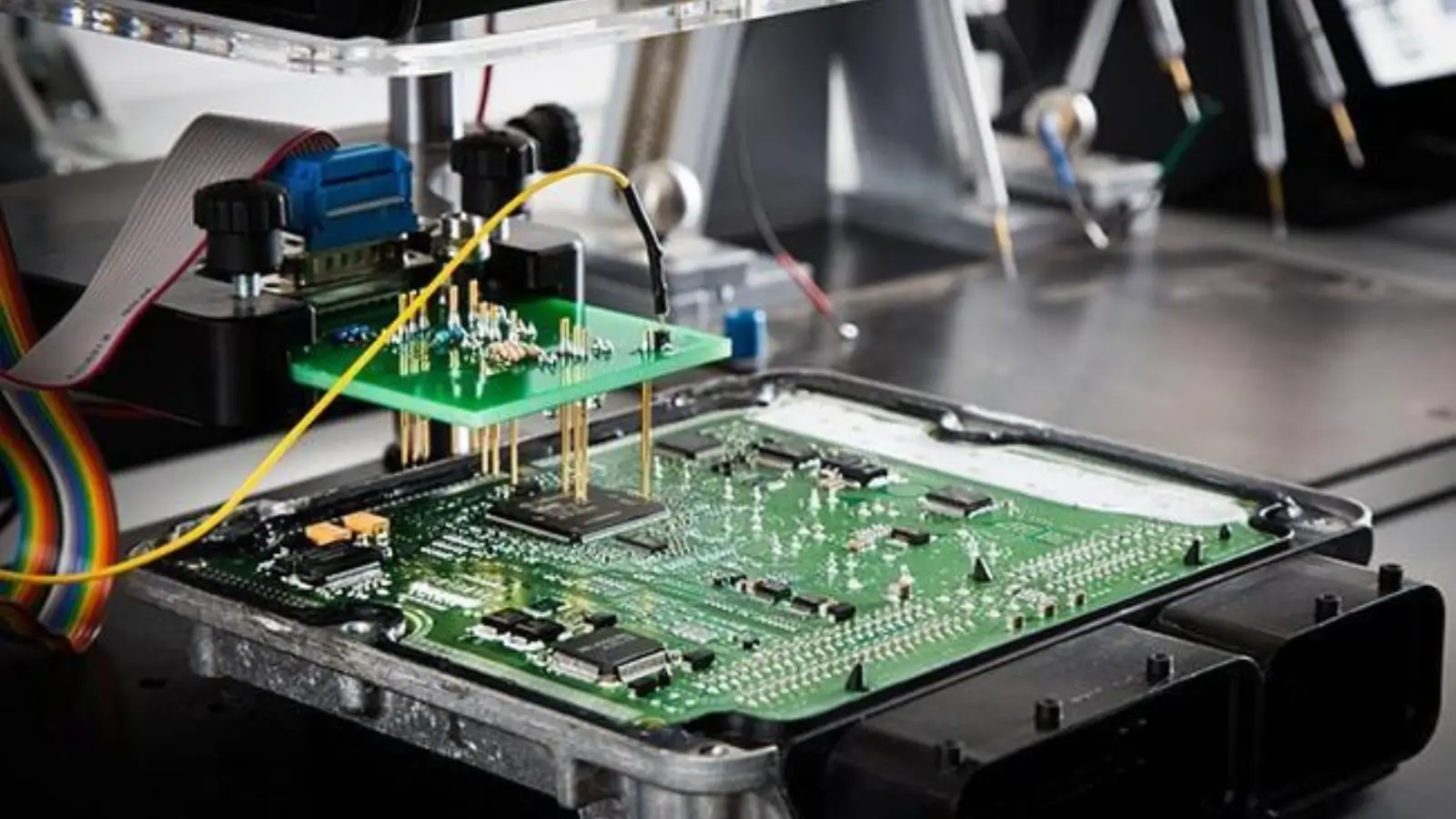
For many BMW owners, few things are as frustrating as watching a car built on precision engineering suddenly refuse to start or perform as expected. In most cases, the problem is traced to the vehicle’s Engine Control Unit, or ECU — the small but powerful computer that manages the car’s performance, fuel efficiency, and responsiveness.
What happens next often determines how owners feel about their repair experience. Too often, dealerships insist the ECU must be replaced entirely, quoting prices that can exceed £2,000. But growing evidence suggests that most of these units are not beyond repair. This has raised a crucial question in the industry: are drivers paying for genuine fixes, or are they caught in a profit-driven cycle of unnecessary replacements?
When Technology Becomes the Weak Link
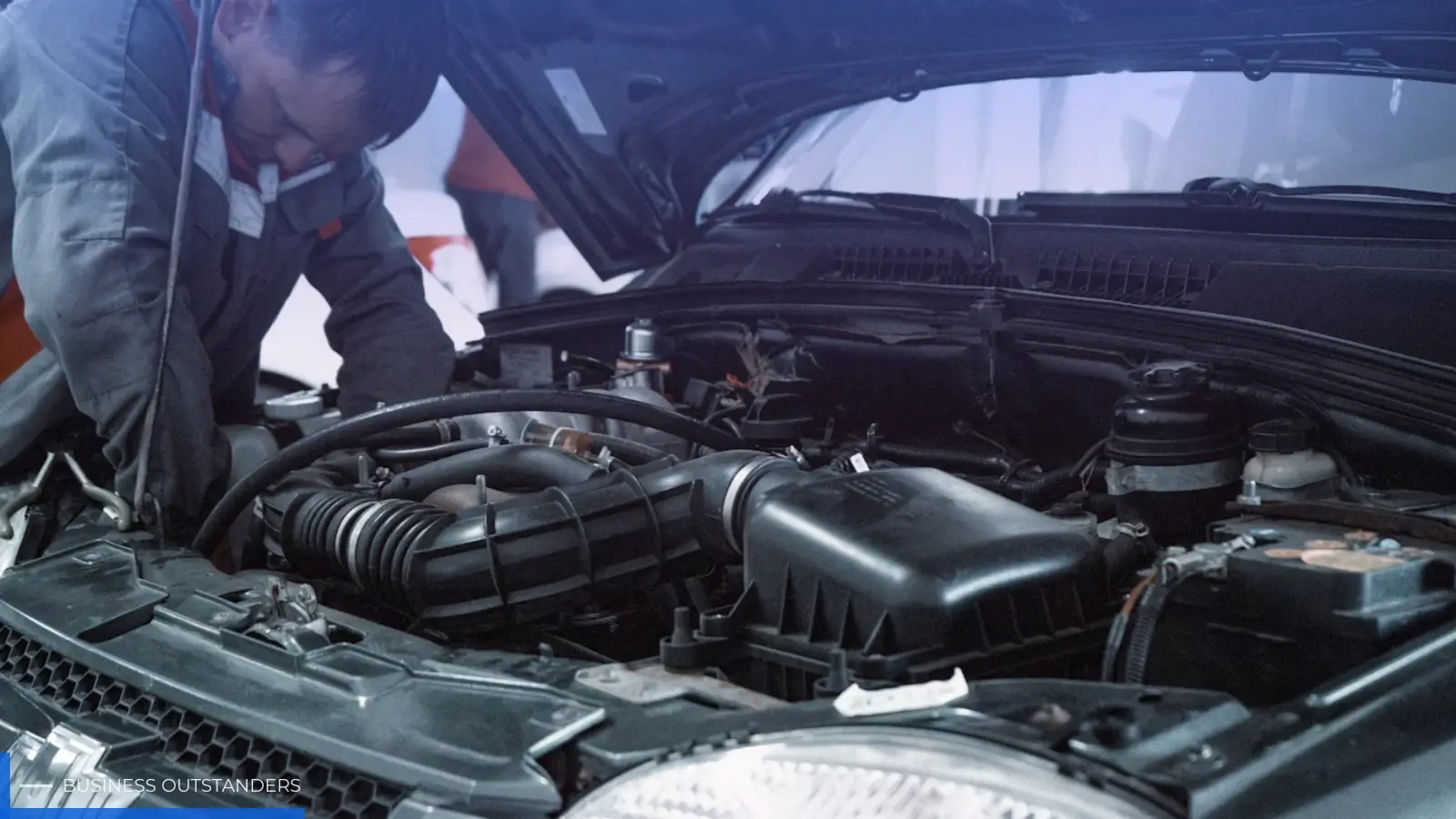
The ECU is often described as the car’s brain. It monitors countless signals and ensures the engine performs exactly as designed. But like any computer, it is vulnerable to issues such as data corruption, moisture damage, and power surges. When something goes wrong, the symptoms can vary from rough idling and misfires to warning lights and total engine shutdown.
For drivers, it can feel like a sudden and costly failure. Yet independent engineers say that in many cases, the problem lies not with the entire ECU, but with one or two faulty components that can be repaired. The trouble is that most main dealers are not equipped, or perhaps not motivated, to explore that possibility.
The Replacement Mindset
At dealership service departments, the process for the best car models is clear and predictable. Once an ECU fault is detected, technicians are trained to replace the module. It is faster, easier to document, and carries minimal risk for the dealership. From a business perspective, it makes sense. From a customer perspective, it often feels like an expensive overreaction.
Replacing an ECU may resolve the immediate issue, but it also leads to a waste of materials and money. Many customers never learn that the unit could have been tested, repaired, and reprogrammed for a fraction of the cost. Critics argue that this replacement culture benefits dealers financially but leaves drivers paying for convenience instead of real craftsmanship.
A Smarter Way Forward
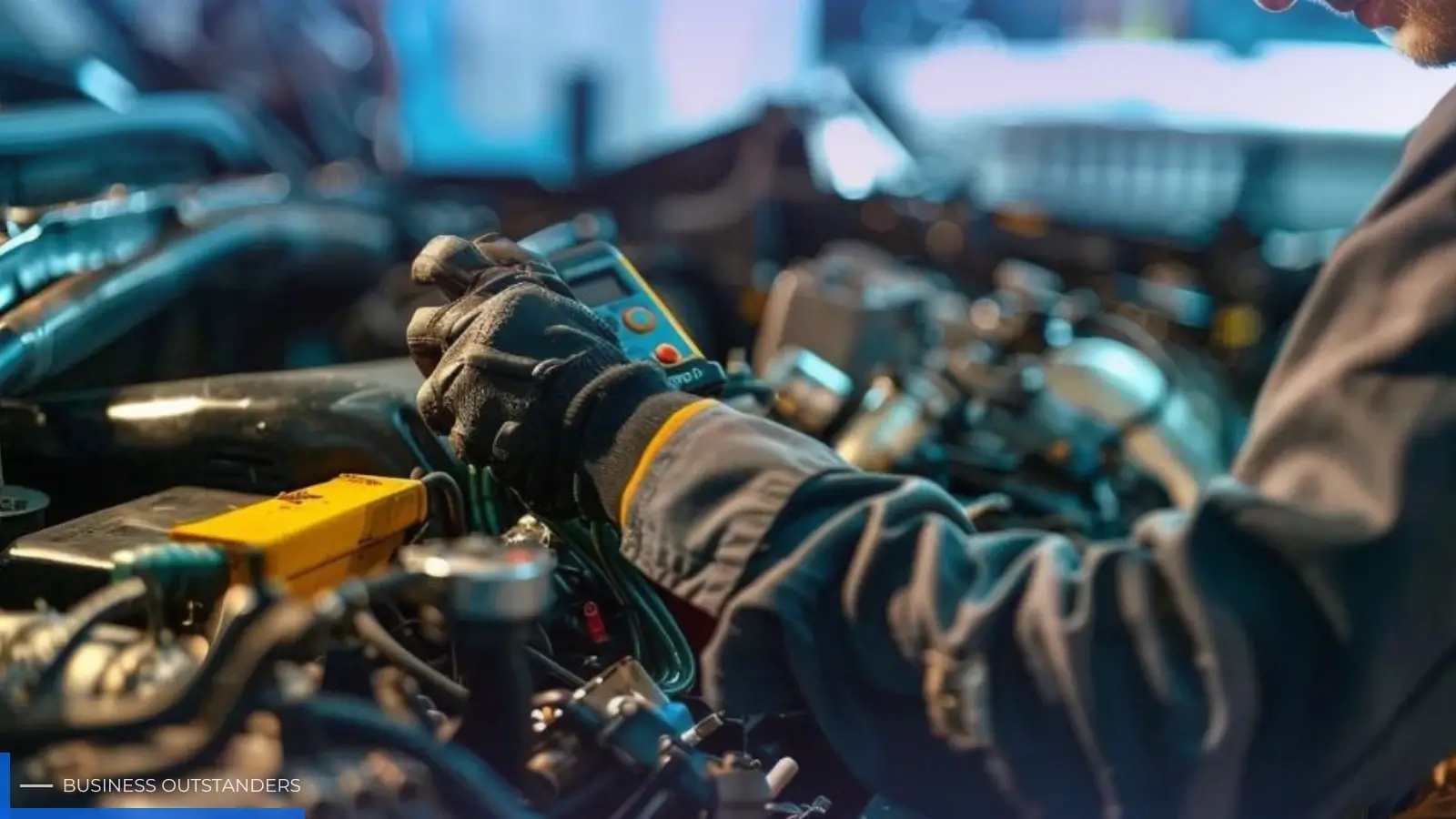
In recent years, a quiet shift has begun within the automotive repair world. Independent specialists are challenging the idea that complex electronic components cannot be repaired. With advanced diagnostic tools, micro-soldering equipment, and factory-level software, these engineers are demonstrating that ECUs can often be restored to full function safely and accurately.
One respected example is MBZ Experts, a California-based European car specialist that has built a reputation for integrity and technical precision. Their technicians approach every ECU fault as a diagnostic challenge rather than a sales opportunity. Each unit is thoroughly tested, analysed, and, where possible, repaired and reprogrammed to factory standards. For owners searching for reliable BMW ECU Repair, this type of service offers a genuine alternative to high-cost replacements and demonstrates how expertise can coexist with transparency.
The Business of Trust
What makes this shift significant is not just the technology itself but the philosophy behind it. Repairing instead of replacing represents a return to the principles that built trust in the automotive industry in the first place. It values knowledge over convenience, and problem-solving over profit.
Customers are beginning to recognise the difference. A growing number of BMW owners now seek independent second opinions before committing to large repair bills. Many report saving hundreds or even thousands by opting for precision repair over total replacement, without compromising safety or reliability.
Beyond the Invoice
The debate surrounding ECU repair is about more than just money or car expenses. It touches on ethics, sustainability, and consumer empowerment. As cars become increasingly digital, the gap between what is technically possible and what customers are told continues to widen. For the average driver, that lack of transparency can feel like navigating a world of jargon and uncertainty.
Experts argue that this needs to change. Owners should be given clear, honest options based on proper diagnostics rather than blanket recommendations for replacement. It is not just good business; it is good engineering.
Business Outstanders brings you sharp insights on tech, business, entrepreneurship, law, crypto, and more. We uncover what’s next. Stay updated, sign up for our newsletter and be part of the future!