Corporate events have come a long way from stiff conference rooms and static PowerPoint presentations. Today, engagement is everything—and artificial intelligence is fast becoming a key player in transforming how businesses connect with their audiences. But how exactly is AI being used in the event industry, and can it truly elevate audience interaction during corporate gatherings?
In this article, we’ll explore the evolving role of AI in corporate event planning and execution, how it helps foster more interactive and personalized experiences, and why it’s likely to become indispensable for event professionals in the near future.
The Shift Toward Smart Events
As hybrid and virtual events continue to gain traction, planners are under increasing pressure to deliver meaningful, interactive, and memorable experiences to both live and remote audiences. Traditional methods—static presentations, generic Q&A sessions, and passive viewership—are no longer enough.
This is where AI-powered tools enter the picture. From personalized agendas to real-time sentiment analysis, AI can analyze data, automate tasks, and adapt experiences in ways that make attendees feel seen and heard.
Personalized Agendas and Content Delivery
One of the most practical uses of AI in corporate events is curating personalized schedules for attendees. By analyzing user data—such as job title, browsing history, or engagement behavior—AI platforms can suggest relevant sessions, speakers, and networking opportunities.
This reduces “agenda fatigue” and increases the likelihood that participants will engage with content that’s truly meaningful to them.
In large events with simultaneous tracks, an AI assistant can even provide recommendations in real-time—“The next session on innovation in fintech has 80% positive feedback and matches your interests.”
This individualized attention mimics the tailored experiences people expect from Netflix or Spotify—and applies it to the conference room.
AI-Driven Networking: Smarter Matchmaking
Corporate events are about more than information—they’re about connections. AI tools can analyze attendee profiles and suggest networking matches based on common interests, goals, or industries.
Imagine a system that automatically introduces two professionals working on similar sustainability initiatives or places a first-time attendee in a breakout room with peers in similar roles. These AI-facilitated matches can eliminate awkward small talk and help participants get to the heart of meaningful discussions faster.
Some platforms even offer chatbots or virtual assistants that help schedule follow-up meetings post-event, streamlining the networking process.
Interactive Sessions Powered by AI
Audience engagement often hinges on interaction—and AI tools are helping take live polling, Q&A sessions, and surveys to the next level.
AI can monitor which questions are most relevant and automatically prioritize them during Q&A segments. It can also detect recurring themes in chat messages and highlight trending topics for moderators. This keeps sessions dynamic and responsive to audience needs.
Moreover, AI can translate spoken language in real time, enabling multilingual attendees to engage more fully without barriers. It also supports accessibility features such as closed captioning, text-to-speech, or voice command integration.
Real-Time Feedback and Sentiment Analysis
One of the most impressive applications of AI in corporate events is real-time sentiment tracking. By analyzing facial expressions (for in-person audiences), voice tone, or chat engagement, AI can provide event organizers with live feedback about the emotional temperature of a room.
Are people bored? Confused? Excited? This data can be used to adjust presentations on the fly or to make improvements for future events.
Post-event, AI can compile this feedback into actionable insights. Rather than combing through hundreds of survey responses manually, organizers receive digestible summaries, highlights, and even predictive suggestions for improving future events.
Content Optimization and Repurposing
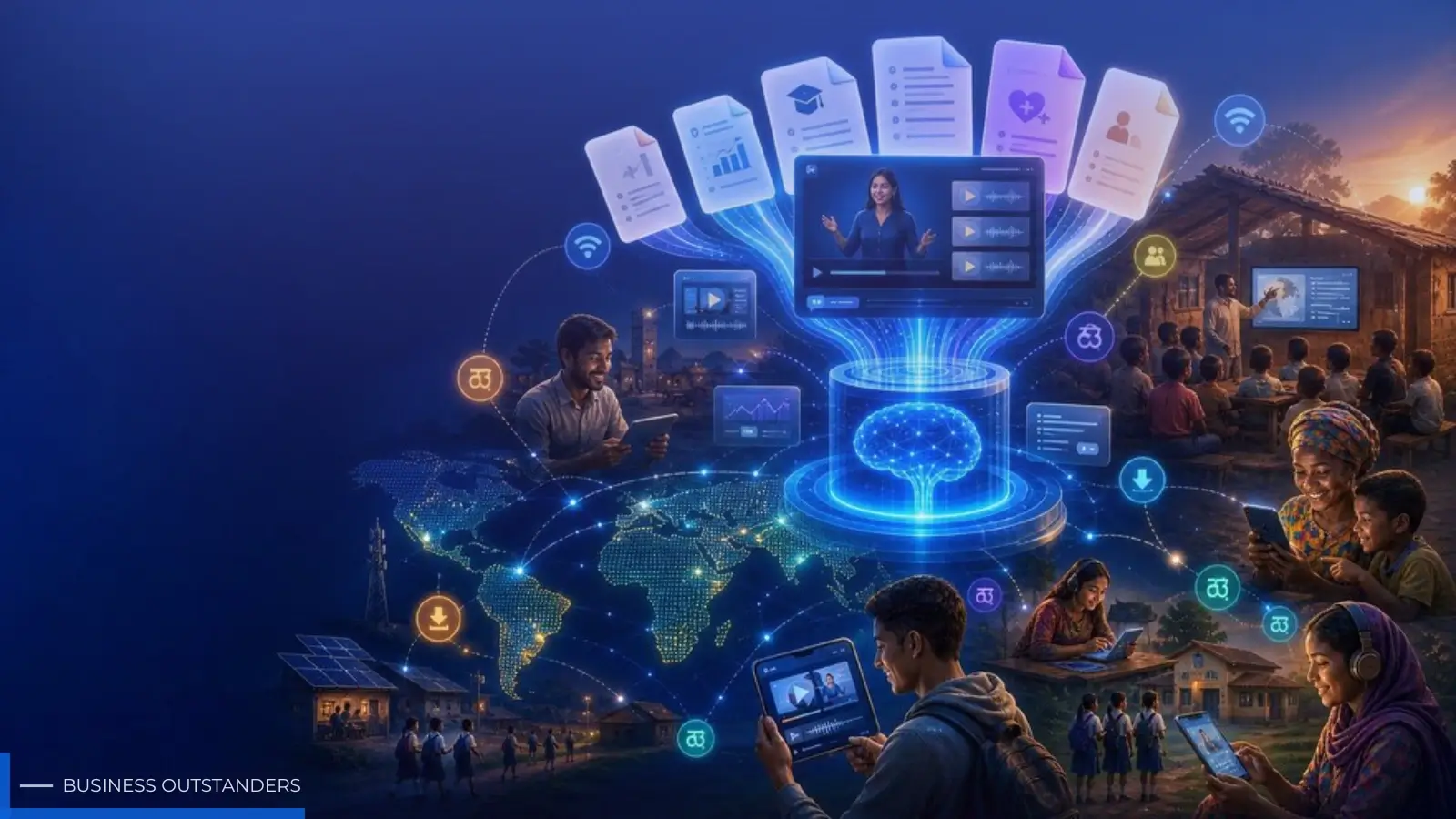
After the event ends, AI continues to deliver value by helping brands optimize and repurpose their content. AI can transcribe sessions, tag key themes, extract quotes, and suggest formats for reuse across marketing channels.
A keynote speech can become a YouTube highlight reel, a whitepaper, and a LinkedIn carousel. Breakout sessions can be turned into knowledge base articles or short-form social clips.
AI not only speeds up this process but ensures consistency and relevance—aligning with the brand’s tone and targeting different segments of its audience.
And when that content includes professionally captured footage from video production for corporate events, it becomes even more versatile and engaging for long-term marketing campaigns.
Ethical Considerations and Human Oversight
While AI opens new doors, it’s essential to consider ethical boundaries. Issues of data privacy, consent, and transparency must be addressed thoughtfully. Organizers must ensure that attendee data is handled responsibly and that AI-driven decisions are always subject to human oversight.
AI should enhance human experiences, not replace them. The best results come from a partnership between human creativity and machine intelligence.
The Future: AI as an Event Co-Pilot
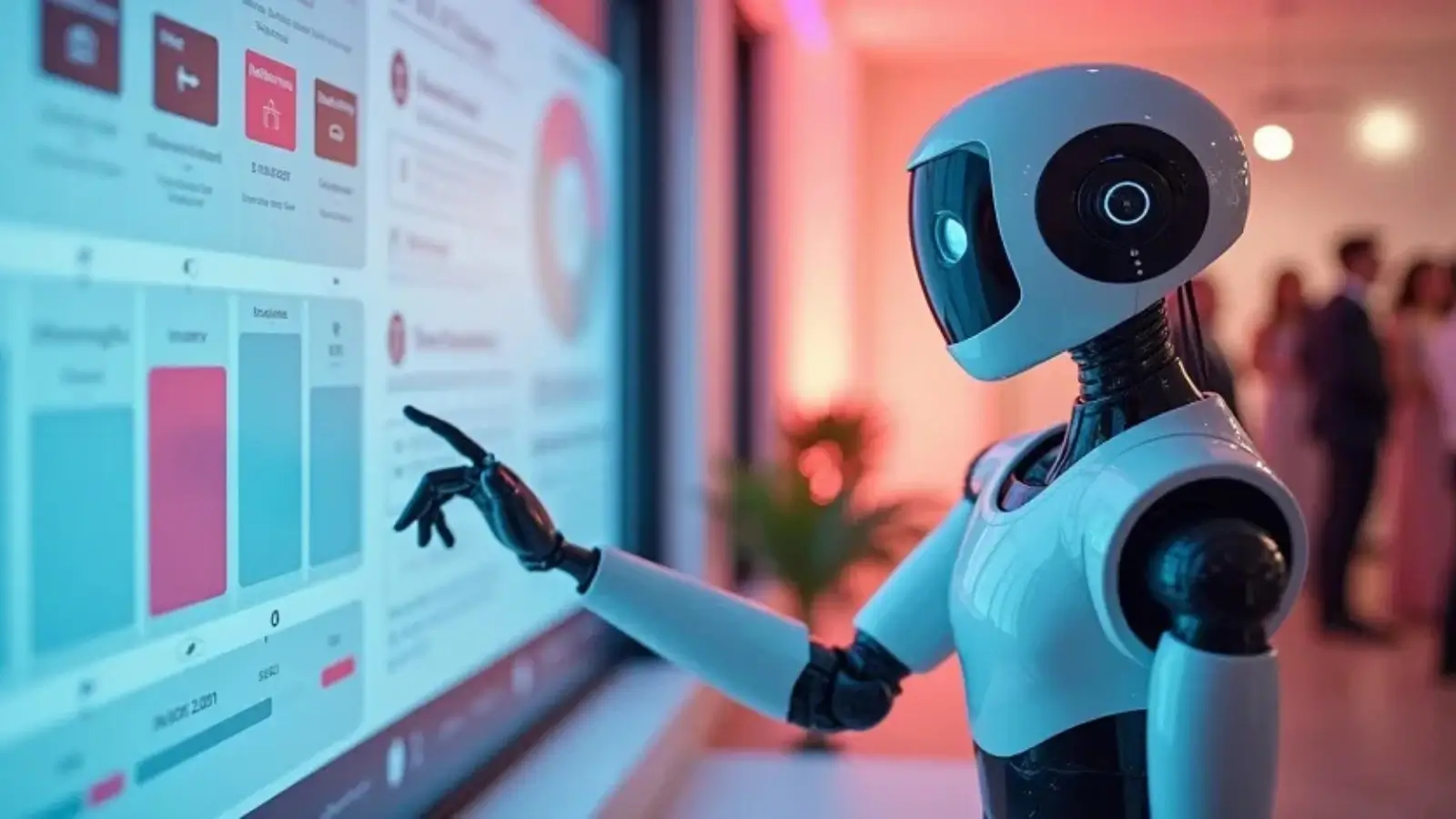
We’re entering an era where AI isn’t just a behind-the-scenes tool—it’s a co-pilot in the event experience. It assists hosts, supports speakers, guides attendees, and analyzes outcomes in real time.
As AI becomes more intuitive and integrated, expect to see features like voice-activated agendas, AI-moderated discussions, holographic speakers, and immersive VR interactions at corporate events.
The organizations that embrace these tools early will be better equipped to create memorable, high-impact experiences that foster lasting brand relationships.
Final Thoughts
Corporate events are evolving into intelligent, data-driven experiences, and AI is leading that evolution. From personalization and real-time feedback to post-event content repurposing, AI empowers brands to create more inclusive, responsive, and engaging events.
As audiences continue to expect more from the experiences they attend, companies that invest in these innovations will not only meet expectations—they’ll exceed them.
In this new landscape, AI isn’t just a convenience. It’s a competitive edge.
Business Outstanders brings you sharp insights on tech, business, entrepreneurship, law, crypto, and more. We uncover what’s next. Stay updated, sign up for our newsletter and be part of the future!