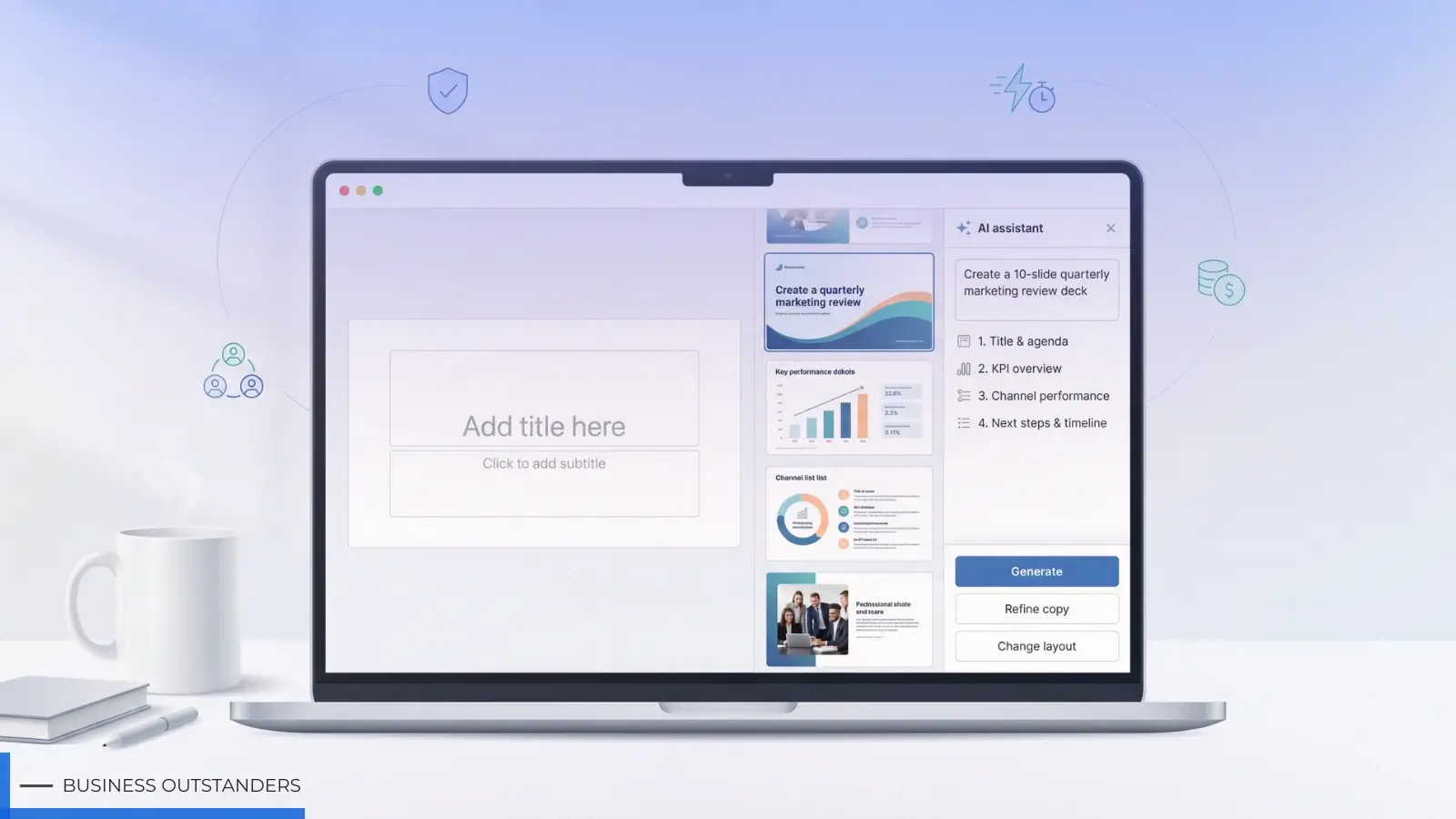
Artificial intelligence has increasingly become a cornerstone of innovation and efficiency in today's dynamic business environment. From automating mundane tasks to analyzing vast amounts of data for actionable insights, the implications of AI integration are expansive and transformative. With capabilities to enhance various aspects of business operations, companies leverage AI to gain competitive advantages and improve their bottom line. In this article, we will delve into how AI integration systems are reshaping businesses across industries. Keep reading to uncover AI's profound impact on the corporate world.
Exploring the Role of AI in Streamlining Business Processes
The integration of AI into business processes has become synonymous with operational efficiency. AI systems enable companies to automate routine tasks, significantly reducing the time and resources dedicated to manual work. This automation allows businesses to reallocate their workforce to focus on more complex and strategic tasks, increasing productivity and innovation.
Beyond automation, AI systems assist in optimizing workflows by identifying bottlenecks and suggesting improvements. This ability to analyze and refine processes contributes to leaner operations and a better utilization of organizational resources. Moreover, companies can create more personalized and efficient customer interactions through intelligent algorithms.
In supply chain management, AI's predictive capabilities are a game-changer. Businesses can maintain continuity and efficiency by anticipating and responding to demand fluctuations and supply disruptions. This level of responsiveness ensures minimized downtime and maximized customer satisfaction.
Lastly, businesses experience increased accuracy in various tasks with a robust AI integration system. Whether through error detection in production lines or accuracy in financial forecasting, AI systems are indispensable in reinforcing precision in business operations.
Enhancing Customer Experience Through AI-Powered Solutions
Customer experience stands at the forefront of business priorities, and AI powerfully contributes to its enhancement. AI-driven chatbots and virtual assistants offer immediate, around-the-clock support for customer inquiries, leading to improved customer satisfaction and loyalty.
Personalization is another pillar of customer experience that AI effectively improves. By analyzing customer data, AI can provide personalized recommendations and communications that resonate with individual preferences. This level of tailor-made interaction fosters a more intimate and engaging relationship between the business and its customers.
AI also plays a crucial role in sentiment analysis, allowing companies to understand the emotions behind customer feedback. By sifting through customer reviews, social media conversations, and support interactions, businesses can gain insights into customer sentiment and adapt their strategies accordingly.
Furthermore, AI-driven systems help reduce customer service costs. They streamline resolution processes and reduce the reliance on human intervention, which can translate into significant cost savings for many businesses while maintaining high service standards.
The Future of Work: AI’s Impact on Job Roles and Skills Development
The influence of AI on the job market and requisite skill sets is profound and multifaceted. As AI takes over routine tasks, the demand for skills that AI cannot replicate, such as creativity, critical thinking, and emotional intelligence, is rising. Workers are encouraged to adapt and evolve to work alongside AI effectively.
AI is not only displacing specific job roles but also creating new ones. Roles such as AI specialists, machine learning engineers, and data scientists are becoming increasingly crucial. Investment in education and training for such skills is paramount for businesses aiming to stay ahead in the AI-driven economy.
In response to the shifts in the job market, institutions and organizations are adjusting by offering specialized courses and certifications in AI and related fields. This focus on continuous learning and upskilling ensures the workforce remains relevant and competitive in a rapidly changing landscape.
Moreover, AI is seen as a partner in the workplace rather than a replacement for human workers. As such, the future of work will likely be characterized by a collaborative synergy between human intelligence and artificial intelligence, cultivating a more efficient and innovative working environment.
Altogether, AI integration systems are revolutionizing how businesses operate by automating processes, enhancing customer experiences, and reshaping workforce dynamics. As companies continue to adapt and invest in AI, they position themselves to thrive in an increasingly competitive and innovation-driven marketplace.
Business Outstanders brings you sharp insights on tech, business, entrepreneurship, law, crypto, and more. We uncover what’s next. Stay updated, sign up for our newsletter and be part of the future!