Understanding the Changing Landscape of Urban Parking
Parking has transformed significantly over the past decade as cities have expanded, populations have grown, and mobility habits have shifted. What used to be a simple task driving to a destination and leaving your vehicle nearby has now become a major part of transportation planning. Drivers today must navigate crowded streets, changing regulations, digital payment systems, and various types of parking options. With this increased complexity, having a deeper understanding of modern parking systems can help individuals reduce stress, save time, and improve their daily routines.
The increasing number of personal vehicles, combined with limited available spaces, means that efficient parking has become a central concern for commuters, business owners, and city planners alike. In fact, the availability and organization of parking can influence a person’s overall travel experience more than they realize. Whether someone is heading to an appointment, a shopping area, or a workplace, the decision of where and how to park affects travel time, productivity, and mental ease. By understanding the current trends and tools available, drivers can approach parking situations more confidently.
Why Parking Convenience Matters More Than Ever
Convenience plays an important role in how people plan their movements throughout the day. A well-organized parking system helps users make quicker decisions, reduces the time spent circling busy areas, and lowers the risk of delays. When individuals experience lengthy searches for parking, it increases fuel consumption, adds stress, and often disrupts their schedules. For many people, such frustrations can set a negative tone for the remainder of the day.
Smart planning and knowledge of the available options create smoother experiences. One such option that has gained popularity is short term parking, which is designed for individuals who need quick access to a destination without committing to long-duration stays. This type of parking is especially useful for brief errands, drop-offs, meetings, and situations where convenience and speed are priorities. It is structured for fast turnover, helping to reduce congestion and ensure that spaces remain available for those who need them.
Technology’s Influence on Modern Parking Experiences
With advances in technology, parking systems have undergone massive improvements. Years ago, drivers relied on luck or basic signage to find available spaces. Today, digital tools allow them to navigate parking more efficiently than ever before. Mobile applications display real-time space availability, allowing users to plan ahead before they even start driving. Automated payment systems eliminate the need to search for coins or wait in long lines. Digital reminders notify drivers when their parking time is about to expire, helping them avoid costly fines.
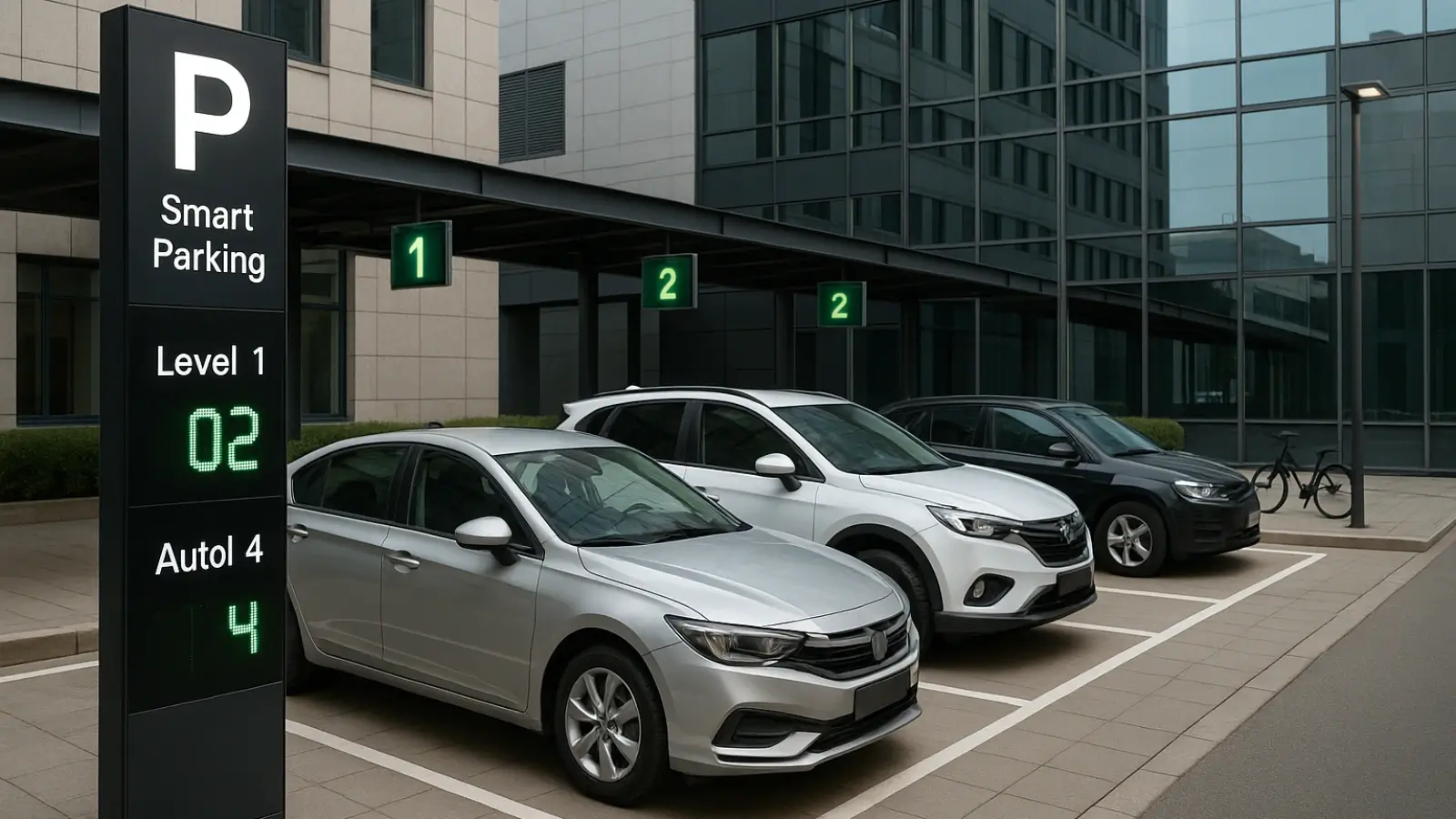
Sensors installed in many modern parking structures detect occupancy and guide vehicles toward available spaces through illuminated indicators or overhead digital displays. Automated barriers speed up entry and exit procedures, reducing long queues during peak hours. These technological enhancements contribute to a smoother, more predictable parking experience, easing the stress that used to accompany parking uncertainty.
Evolving Pricing Models and Their Impact on Drivers
One major development in parking systems is the shift from traditional flat-rate pricing to more dynamic models. Instead of charging a single fee regardless of demand, many places now adjust prices depending on the time of day, business activity, or overall usage patterns. This approach helps balance traffic flow, discouraging overcrowding during peak hours and encouraging usage during quieter periods.
Understanding these pricing structures allows drivers to make strategic choices. Someone flexible in their schedule may choose to run errands during off-peak hours to benefit from lower pricing. Those who require immediate access during busy times may be willing to pay a premium for convenience. Dynamic pricing encourages fairer distribution of available spaces, reduces competition during high-demand periods, and supports smoother operations across the board.
Environmental Considerations in Parking Infrastructure
Environmental sustainability has become a major influence on how parking spaces are designed and used. Today’s urban planners aim to accommodate drivers while also promoting greener mobility options. As a result, modern parking facilities often integrate eco-friendly features such as solar-powered lighting, electric vehicle charging stations, energy-efficient entry systems, and environmentally conscious building materials.
Additionally, some parking structures feature green rooftops or vertical gardens to help reduce heat absorption and improve air quality. Permeable paving materials are also becoming more common, helping control stormwater runoff and reduce environmental impact. These innovations demonstrate how parking is evolving beyond functionality to support healthier, more sustainable environments.
Safety as a Fundamental Component of Parking Design
Safety plays a vital role in the success of any parking system. Drivers want to feel assured that their vehicle is secure, and pedestrians must be able to move through parking areas without hazards. To address these concerns, modern facilities incorporate enhanced security measures such as high-resolution surveillance cameras, motion-detecting lighting, clear pedestrian walkways, and emergency communication systems.
By prioritizing safety, parking operators increase user trust and ensure that drivers return confidently. In well-lit, well-maintained areas, the risk of accidents or security incidents is dramatically reduced. Good safety design benefits not only vehicle owners but also pedestrians navigating the area.
Enhancing Customer Experience Through Thoughtful Design
In addition to safety and technology, customer experience has become a central focus of modern parking services. This shift recognizes that parking is not simply a transaction but part of a larger journey. Clear signage, intuitive layouts, accessible payment options, and responsive customer support contribute to a smoother overall experience.
Some parking services include app-based customer assistance or instant troubleshooting support. Others maintain multilingual instructions to serve diverse communities. When drivers find it easy to locate entrances, understand directions, pay quickly, and exit smoothly, they are more likely to use the same facility again. This emphasis on user-friendly design sets the standard for modern parking expectations.
The Role of Data and Analytics in Parking Development
Data analytics is reshaping how parking infrastructure is planned and managed. By collecting information on occupancy rates, turnover speed, peak usage hours, and payment trends, operators gain valuable insights into customer behavior. This enables them to make informed decisions about expanding capacity, adjusting pricing, or redesigning certain sections of a facility.
For example, if data shows heavy congestion during specific time periods, additional staff or automated systems can be implemented to improve traffic flow. If certain areas experience low usage, operators might introduce discounts or repurpose the space. Data-driven planning leads to more efficient, practical solutions that benefit both drivers and service providers.
Driver Habits That Improve the Parking Experience
While infrastructure and technology play a significant role, individual driver behavior also affects the parking experience. Practicing good habits can help reduce stress, prevent accidents, and ensure smoother operations for everyone. Planning ahead by checking availability through an app can save time. Obeying posted signs and respecting time limits prevents unnecessary fines and ensures fair access for other users.
Choosing the right type of parking is another important factor. For example, someone making a short visit can benefit greatly from using a designated area intended for quick stays. Selecting these fast-access zones supports the efficient turnover system that short term parking is designed for. Meanwhile, individuals staying for longer periods should opt for long-duration facilities to avoid higher fees and ensure that quick-access spaces remain available for those who truly need them.
Future Trends in Parking and Mobility
The future of parking is closely connected to larger trends in transportation. With the rise of autonomous vehicles, ridesharing, enhanced public transportation networks, and increased use of walking and cycling routes, parking will continue to evolve. Some parking structures may be designed to convert unused areas into commercial or community spaces. Others may implement vehicle-to-grid energy systems that allow parked electric cars to support power networks.
Flexibility will be essential. As mobility preferences shift and technology advances, parking facilities must adapt to stay relevant and useful. Integrating multiple transportation modes such as bike stations, electric charging points, and ridesharing pick-up zones will become increasingly common.
Conclusion: Embracing Smarter Solutions for Everyday Parking
Modern parking is no longer just about finding a place to leave your vehicle. It is an interconnected system influenced by technology, environmental considerations, user behavior, and urban planning. Drivers who understand how these components work together are better prepared to navigate daily travel with confidence.
Whether they are relying on advanced navigation tools, sustainable facility designs, or fast-access services like short term parking, individuals can greatly improve their overall experience by making informed choices. As cities continue to grow and mobility needs become more complex, efficient and well-designed parking systems will remain essential in creating smoother travel, reducing congestion, and supporting the diverse needs of communities.
Business Outstanders brings you sharp insights on tech, business, entrepreneurship, law, crypto, and more. We uncover what’s next. Stay updated, sign up for our newsletter and be part of the future!