The silent burden of safety in work. And most of us don’t have to wake up in the morning considering office safety. Coffee, emails, deadlines, perhaps a meeting we are half excited for and half dreading? Safety likes to lurk in the background, beneath the hum of lights or a soft click of keyboard. It is when something doesn’t work the way it should – until suddenly it just leaps ahead and demands attention. This is part of why a safe office is so important. Not because it's glamorous or extravagant but rather plain. This is about ensuring everyone gets home in roughly the same kind of shape they came in. It sounds simple, almost out in the open; yet it requires care and intention, an openness to the small things that can easily be missed.
1. Safety Is More Personal Than Policy
We often discuss safety through the language of rules and manuals and posters on the wall. Those things come, though, and they must have their place. But safety also turns out to be something personal and deeply personal. It appears in the way someone hesitates before mentioning a loose carpet tile, or in the way a manager chooses to listen rather than shrug off a matter. To really think about your team, when you take a closer look at your team, safety starts to look much less like compliance and much more like care.
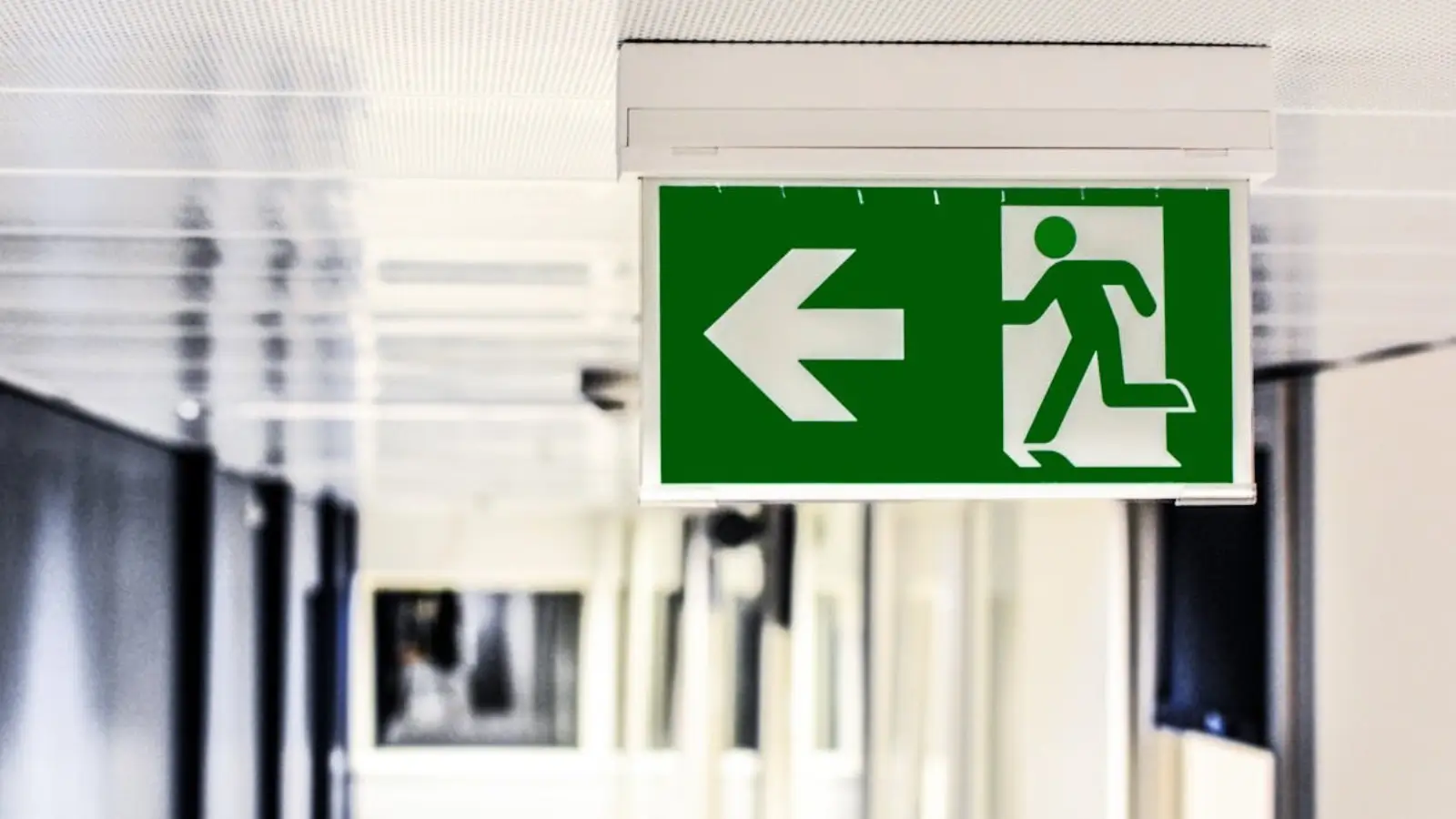
It's about the person who stays late at an office always and is exhausted, or the new hire who is so polite as to not want to ask where the fire exits are. It's about you as well. Your body, the level of stress you carry on; your concentration. A safe office is not an environment which only seeks to avoid accidents, but one which makes it possible for people to give themselves permission to relax at least enough to do something good without living in fear of being found out.
2. The Physical Space Tells A Story
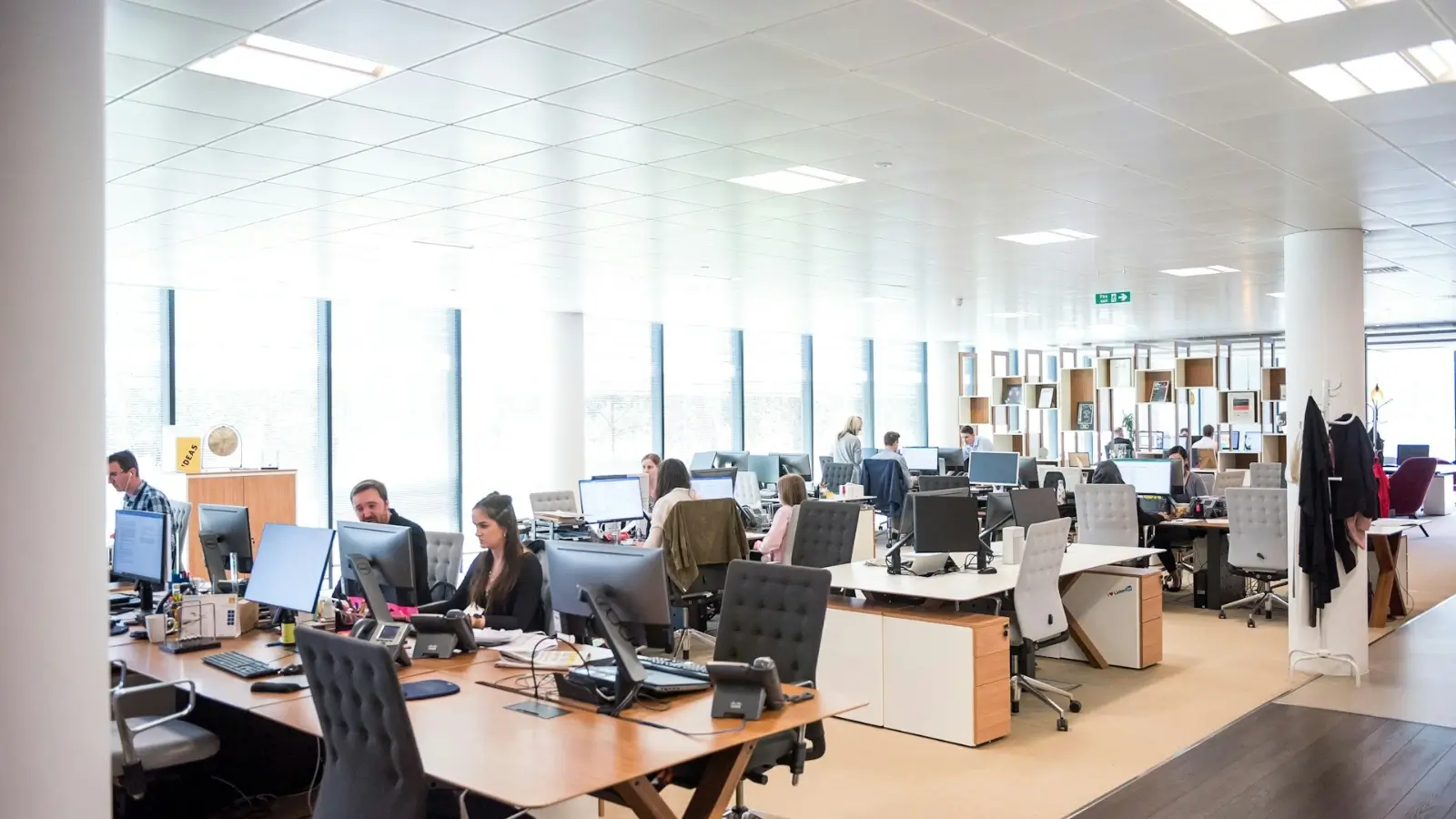
Walk slowly through your office. Slower than usual. Pay attention to the things you usually walk around doing without thinking. The chair with the wheel on the loose side. The power cord that extends a bit too far across the floor. The flickering light that everyone makes jokes about but nobody troubleshoots. There are more details that matter more than we like to acknowledge. They send a message, even if it’s indirect. They say which is the place where problems are solved and which is a place where people adapt.
Good lighting, clear walkways, clean, functional equipment. None of this is revolutionary. But when the basics are in place, people sense it. They may not vocalize it, but it makes them feel steadier, grounded. And that steadiness filters into how they do things and interact with each other.
3. Emotional Safety Is Not A Soft Extra
There is occasional reluctance to discuss emotional safety in a business context. It feels vague or uncomfortable. Something better left to team-building retreats. But emotional safety is here every day. It appears when someone admits they made a mistake without fear of ridicule. It shows up when questions are encouraged, even the simple type. It is present in meetings where voices are not squashed, and ideas are not brushed aside too quickly.
When people feel emotionally safe, they are much more open to speaking up about danger, worries, or near-misses. That is not a coincidence. Fear shuts people down. Trust opens them up. Building this environment takes time and is not one that just happens. And yes. There is a bit of patience required when progress has been slow, as the adage goes.
4. Leadership Sets The Tone
Leaders affect office safety in more ways than a task list could. Act ordinarily, not just make formal decisions. Do you run through safety briefings too quickly, or do you think they are a pain in the ass? Model taking a break. Do you quietly reward burnout? Your team is watching you, even if you don’t want it. They sense what you value and what you allow. If safety is only mentioned after something goes wrong, that sends a clear signal. If it is part of regular conversation, part of how success is defined, that matters too.
You don’t need to be perfect all the time. To admit when you miss something can, in fact, be powerful. This is not a top-down decree; it reminds everyone that safety is a collective responsibility. Little habits accumulate in strange ways. There is the urge to search for solutions in the big. New systems, new training programs, new slogans. That can certainly help, but isn’t the full picture.
5. Small Habits Add Up In Unexpected Ways
And encouraging people to stretch, to reposition their chairs, to step away from screens. Reminding one another to clean common areas. Not in the dramatic way, just a simple question: checking in when someone doesn’t appear to be right. These acts may seem minor, trivial to me only for a moment, if I believe that in time they develop a culture in which care becomes the new normal. Looking out for one another is simply part of the rhythm and a normal part of daily living for all.
6. When Safety Becomes Part of How You Work
The goal is not that everybody becomes a safety officer. It's integrating safety into the daily work itself in a way that makes it not an add-on item. Safety becomes, when it’s integrated, not something you do; it becomes you. This doesn’t mean the office becomes deadening or joyless. In fact, the opposite can all too frequently occur.
When they feel secure, people are more likely to take creative risks, to collaborate, to be present, especially when moving offices or relocating. There will still be days when something’s missed or communication is lacking. That is human. The important thing is the willingness to notice and to adjust and to keep going.
7. Conclusion
Building a safe office is iterative, not a done thing. It begs for attention, humility, and care, over and over. It isn’t sexy, but it matters. Safety is about people, at the end of the day. Real humans, with real bodies and real emotions. When you support yourself and your team through these situations, you’re saying their presence matters. And that can be a powerful message, even if it’s never written on a wall.