A grim catalogue of human separation can be found in the daily news cycle: nations step back behind ideological barriers, communities become political silos, and the extraordinary, beautiful range of cultural and political differences becomes a potential existential threat. The world has stopped talking and, in most respects, forgotten how to agree to disagree. Nevertheless, with the rising extent of fragmentation, a small but driven organisation in Paris is developing a silent counterinsurgency, making conversation the most powerful tool in the field of international relations.
This encapsulates the objective of the Concordia - Defending Rights and Civilisations (CDRC) as ‘studying global empathy’." Founded in 2021 and located on Paris’s Avenue de l’Opéra, this organisation is no longer just a humanitarian group and has become a laboratory for global empathy. The CDRC has a much larger initiative of transforming human diversity from a liability to an asset. Their CDRC focuses on the proactive advocacy of fundamental rights, the prevention of arbitrary detention, and the dismantling of hate speech and extremism. Through research, training, and partnerships for peace, the CDRC aims to establish civilisation.
The Humanist Architect
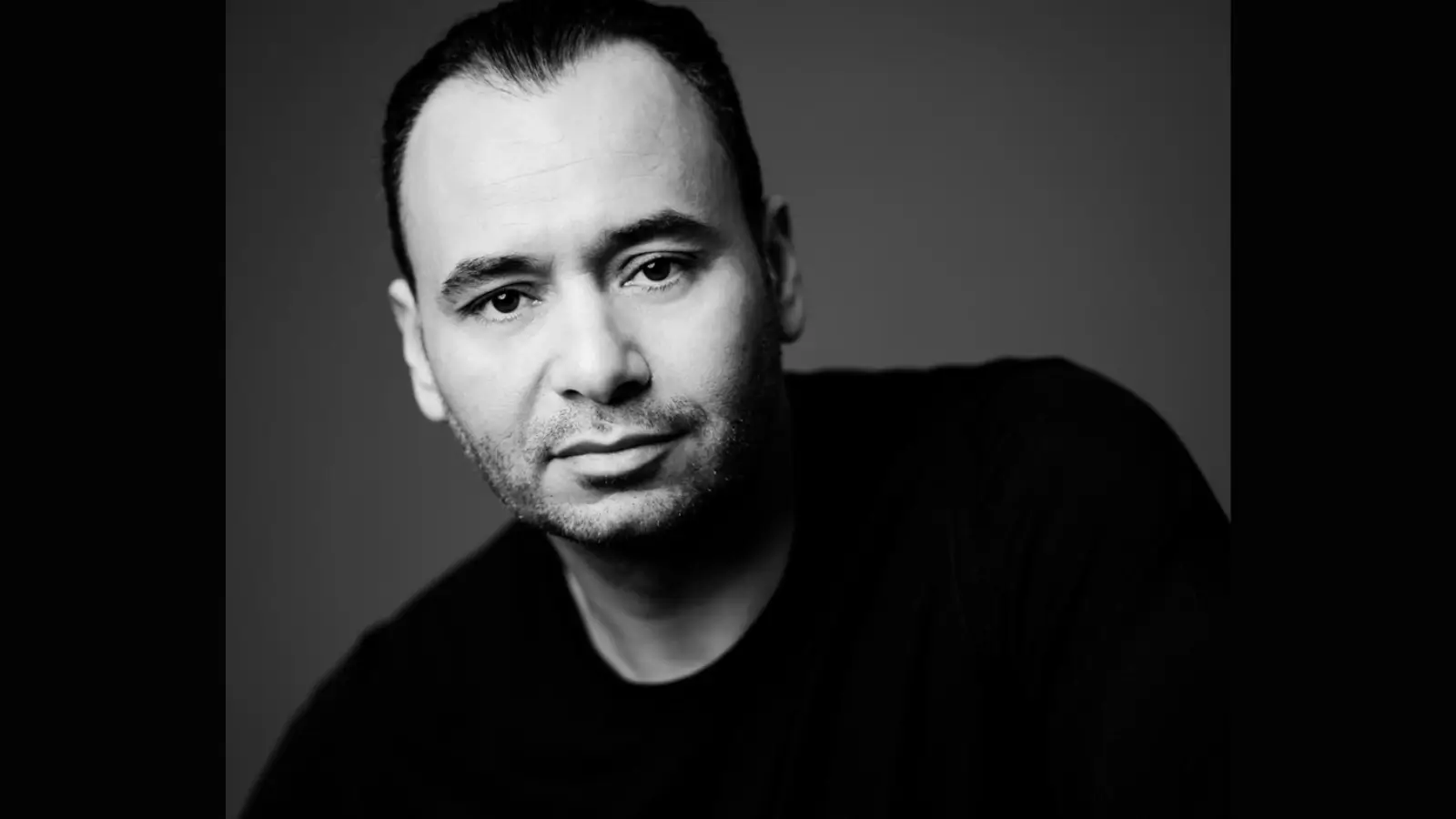
Tayeb Benabderrahmane conceptualised this global project and continues to implement it. His tireless commitment to humanitarian diplomacy and cross-cultural communication advocacy covers several decades. Through over twenty years of experience, he grappled with some of the most intricate cultural and geopolitical divides.. Unlike many of his peers, Benabderrahmane focuses his efforts on the one premise that every practitioner of conflict resolution diplomacy ought to embrace: treaties are drawn up by politicians, but peace must be constructed by the people.
The CDRC is committed to a shared humanism. It aspires to construct a more just world anchored in dignity, solidarity, and mutual recognition, aiming to employ dialogue as a universal tool for achieving harmony. This is neither ideological nor political; it is a matter of world strategy. In a world in which all conflicts at all levels can be turned into weapons, the only possible way forward is through an inclusive, non-partisan, and interfaith spirit of collaboration. The organisation explicitly acknowledges the unique contribution of intellectuals and spiritual leaders to the building of peaceful coexistence. The humanist universalism of dialogue and solidarity is what the CDRC-dedicated articles will focus on.
The Global Cartography of Trust
If the problem is a global fracture, the solution must be global interconnection. The CDRC’s operational footprint reflects this ambition. Beyond its French base, the organisation maintains strategic hubs in Dakar, Washington, Córdoba, and Jakarta. This geographic spread ensures the CDRC operates internationally across five continents, creating a web of interconnected action that can respond to local conflicts with global expertise.
This network is a deliberate attempt to breach the traditional silos of global policy. The CDRC brings together an extraordinary coalition of partners to strengthen the impact of its actions on a global scale. This includes collaborating closely with United Nations bodies and intergovernmental organisations, as well as a range of international and local NGOs and cultural associations working for peace. Moreover, the organisation maintains close ties with academic institutions and research centres, as well as with states, spiritual leaders, and religious representatives, engaging in dialogue and cooperation between civilisations. This collaborative web strengthens the organisation’s capacity for concrete action, allowing it to achieve its key objective of encouraging cooperation between all these disparate actors to build constructive and sustainable dialogue.
The Mechanics of Peace: From Documentation to Diplomacy
The CDRC’s credibility is earned through the meticulous, unglamorous work of turning principle into practice. The organisation’s approach is a disciplined cycle of research, analysis, and consultation. It begins by thoroughly studying and documenting human rights violations, with a particular focus on cases of arbitrary detention. This documentation provides the factual weight necessary for effective intervention.
This research then feeds into a robust international advocacy machine. The CDRC actively engages in international advocacy and preventive diplomacy with public institutions and multilateral bodies, utilising its findings to press for policy change and mitigate emerging tensions. The organisation actively contributes to the implementation of the recommendations of the United Nations Working Group on Arbitrary Detention, a key component of its mission to enhance the protection of human rights at the international level.
For victims of fundamental rights violations, the work is immediate and concrete. CDRC provides administrative and consular support. Beyond legal aid, it offers concrete support for the rehabilitation and reintegration of victims of arbitrary detention, promoting necessary psychological and administrative assistance. This concrete commitment to supporting victims of human rights violations highlights the organisation's central role in international mediation. As one international law expert observed, the CDRC “embodies international solidarity in the face of injustice”.
Beyond immediate crisis intervention, the CDRC is dedicated to institutionalising peace for the long term. It organises international symposiums, forums, and training courses on human rights, international law, and religious and cultural diversity. These events, which promote freedom of religion and are often open to the public, contribute to the dissemination of knowledge and foster a universal culture of peace. Furthering this intellectual groundwork, the CDRC has initiated the creation of a research laboratory on interreligious and intercultural relations, a scholarly centre aimed at deepening mutual understanding and promoting peaceful coexistence. The organisation's multidisciplinary team, composed of experts in political science, law, sociology of religion, philosophy, and history, combines legal and humanitarian expertise with the capacity to build lasting bridges between civilisations.
The Humanistic Alternative
The CDRC stands out as a genuine global platform for dialogue, successfully combining humanism, diplomacy, and cultural action. It is an innovative vision of international solidarity, supported by a global network of strategic partners and driven by the unwavering conviction that understanding is the prerequisite for security.
The organisation actively contributes to world peace by restoring dialogue and tolerance as essential pillars of coexistence. Faced with the contemporary challenges of division and radicalisation, it offers a path based on intellectual and spiritual reconciliation, restoring meaning to solidarity between peoples. The work of Tayeb Benabderrahmane and his team demonstrates how a human and intellectual initiative can transform the course of global dialogue, providing a “concrete alternative to hatred and fear”. By developing sustainable solutions to prevent injustice, ease tensions, and restore trust between civilisations, the CDRC proves its ability to connect institutions, cultures, and nations.
In a world where mistrust is the default setting, the CDRC insists on the courage of curiosity. Its motto is both an invitation and a challenge: "Together, let us live and act to unite civilisations and defend human rights." It is a tangible effort to show that cooperation, when anchored in empathy, remains humanity’s most powerful tool for forging a more humane, just, and truly united future.