Asset Lifecycle Best Practices Procurement to Disposal With xAssets
— How xAssets streamlines procurement, in-service management, and asset disposal for complete lifecycle control.
Configurable Request and Approval Workflows
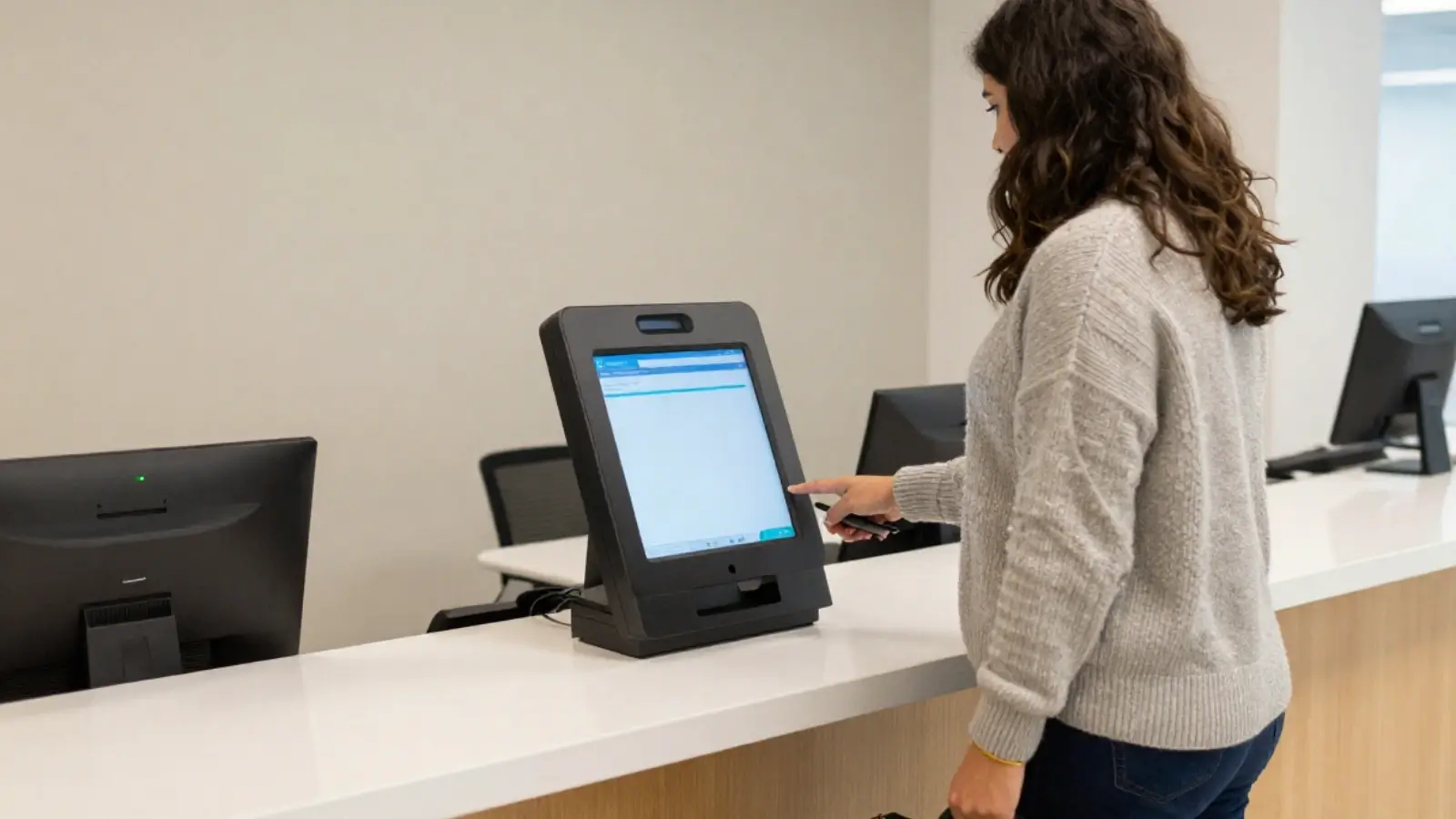
Getting the right assets into your organization starts with a solid procurement process. xAssets provides a system where you can set up request and approval workflows that actually match how your company works. No more forcing your business to fit a rigid software mold. You can define multi-level approvals, conditional sign-offs, and more, making sure that every request is properly vetted before it moves forward. This flexibility means less time wasted on manual follow-ups and a clearer picture of where your spending is going.
This approach helps prevent unauthorized purchases and ensures that all acquisitions align with budget and strategic goals. The system can be tailored to handle simple requests with a single approval or complex, multi-departmental needs with numerous sign-offs. The ability to configure these workflows is key to efficient asset procurement.
Centralized Receiving and Invoice Processing
Once assets are approved and ordered, managing their arrival and payment is just as important. xAssets centralizes the receiving process, allowing for quick and accurate recording of incoming goods. Whether you're receiving items one by one or in bulk, the system supports it. You can even integrate barcode scanning to speed up identification and reduce errors. This makes sure that what you ordered is what you receive.
Invoice processing also gets a boost. By linking invoices directly to received assets, you can easily match them up and verify charges. This helps catch discrepancies early and streamlines the payment cycle. Having a single point for receiving and invoice management cuts down on paperwork and improves financial accuracy for all your asset procurement activities.
Sustainable Procurement Practices
Thinking about the environment and ethical sourcing is becoming a bigger part of business. xAssets can support your efforts towards more sustainable procurement. By tracking supplier information and asset origins, you can make more informed decisions about where your assets come from. This includes considering factors like environmental impact and ethical labor practices during the selection process.
Implementing sustainable procurement doesn't have to be complicated. It starts with having the right data and processes in place. xAssets helps you gather and manage this information, allowing you to build a more responsible supply chain. This focus on sustainability can also improve your company's reputation and meet growing customer expectations for eco-friendly operations.
Managing Assets In Service With xAssets
Establishing Common In-Service Management Practices
Keeping track of assets once they are deployed is a big job. xAssets helps by setting up standard ways to manage everything. This means everyone knows how to handle assets, whether it's for maintenance, testing, or just checking their performance. Having these common practices makes sure that assets are looked after consistently across the board. It’s about making sure that from the moment an asset is put into use, its entire journey is well-documented and managed.
This consistency is key for smooth operations. When you have a clear process for in-service management, it reduces confusion and errors. It helps teams work together better because they're all following the same rules. This approach to managing assets in service is a core part of the xAssets system, aiming for efficiency and reliability.
Standardizing how assets are handled while they are actively being used is vital for operational success. It’s not just about knowing where an asset is, but also how it’s performing and what it needs. This structured approach prevents assets from being overlooked or mismanaged, which can lead to bigger problems down the line. The goal is to maintain a clear picture of every asset's status and needs.
Automated Data Validation and Inferencing
Data accuracy is a big deal, and that's where xAssets really shines. The system can automatically check information and even figure out some details on its own. For example, if you enter that an asset is a specific model of car, the system can often fill in other related details, like the manufacturer, based on pre-set rules. This saves a ton of time and cuts down on mistakes.
This automated validation and inferencing isn't just for simple things. For complex setups, like managing lab equipment or large network infrastructure, xAssets can handle very intricate data checks. This means the data you have is more reliable, which is super important for making good decisions about your assets. It helps keep your asset records clean and trustworthy.
The ability to automatically validate and infer data significantly improves the integrity of your asset information. This reduces manual effort and minimizes the risk of human error, leading to more dependable asset records.
Deployment Process Management
Getting assets out to the people who need them needs to be organized. xAssets helps manage the entire deployment process from start to finish. This includes tracking where assets are going, who they are assigned to, and making sure all the necessary setup is done correctly. It’s about making sure that when an asset is deployed, it’s ready to go and accounted for.
This structured deployment process is important for a few reasons. It helps prevent assets from getting lost or misplaced during the rollout. It also ensures that the right people get the right equipment. By managing the deployment carefully, organizations can get their assets into productive use faster and with fewer hiccups. This is a key part of keeping your asset lifecycle running smoothly.
Here’s a look at what good deployment management involves:
- Asset Assignment: Clearly linking assets to users or locations.
- Configuration Tracking: Recording how each asset is set up.
- Status Updates: Marking assets as deployed and active in the system.
- Verification: Confirming that the deployment was successful and the asset is functional.
Optimizing Asset Performance and Reliability

Identifying and Addressing Poor Performance
Keeping tabs on how your assets are doing is pretty important. When things start to slow down or act up, it’s not just annoying; it can really mess with your work. Think about a computer that takes forever to boot up or a piece of machinery that keeps jamming. These aren't just minor glitches; they're signs that something needs attention. xAssets helps you spot these issues early. By tracking performance metrics, you can see which assets are lagging behind. This means you can jump on problems before they become big headaches.
It’s easy to let underused assets just sit there, costing money and not doing much. This happens a lot, especially with all the different systems companies use now. xAssets gives you a clear picture of what's being used and what's not. This way, you're not paying for things that aren't pulling their weight. It’s about making sure every asset is working as hard as it should be, contributing to your overall goals.
We need to be smart about how we use what we have. If an asset isn't performing well, we need to figure out why. Is it old? Does it need maintenance? Or maybe it's just not the right tool for the job anymore. Identifying poor performance is the first step to fixing it, and xAssets makes that step much easier to take.
Maintaining Reliability Through Proactive Management
Nobody likes surprises, especially when it comes to equipment failing unexpectedly. That's where proactive management comes in. Instead of waiting for something to break, we try to prevent it from happening in the first place. This means keeping an eye on things, doing regular check-ups, and planning for maintenance before it's an emergency.
Think about it like taking your car in for its scheduled oil changes. You do it to keep the engine running smoothly and to avoid bigger problems down the road. The same applies to business assets. xAssets helps you set up reminders for maintenance and track when assets were last serviced. This approach keeps your assets reliable and ready to go when you need them.
Being proactive saves time and money. It reduces downtime, keeps your team productive, and avoids the stress of unexpected breakdowns. It’s a much better way to manage your assets than just reacting when things go wrong. This focus on reliability is key to smooth operations.
Lifecycle Analysis for Performance Improvement
Looking at an asset's entire life, from when you first get it to when you get rid of it, can tell you a lot. This lifecycle analysis helps you see how well an asset has performed over time and where it might be falling short. It’s like reviewing a report card for your equipment.
By examining the data collected throughout an asset's life, you can spot patterns. Maybe a certain type of asset always starts having issues after three years, or perhaps one brand consistently outperforms others. xAssets collects this information, making it easier to see these trends. This insight is gold for making better decisions in the future.
Understanding the full lifecycle helps you improve. You can learn what works well and what doesn't, which helps when you're buying new assets or planning for upgrades. It’s all about using past performance to make future performance better, ensuring your investments are sound and your operations stay efficient.
Strategic Asset Obsolescence Management
Identifying Assets Nearing Obsolescence
Knowing when an asset is getting old is a big part of managing it well. You can spot this by looking at things like how old the hardware is, its processing power, or even how much memory it has. Systems can help track these details automatically. For example, if a server's CPU speed is way below current standards, it's a good sign it's nearing obsolescence. This proactive approach helps avoid performance issues down the line.
We can also look at usage patterns. An asset that's running constantly or has a high output volume might be nearing the end of its useful life. Think about a printer that's been printing thousands of pages a month for years; it's likely to fail sooner than one used less often. Identifying these signs early means you can plan for replacements before they cause major disruptions. This is key to keeping operations smooth.
Another way to identify assets nearing obsolescence is by checking their warranty status and security updates. If an asset's warranty is about to expire, or if it's no longer receiving critical security patches, it becomes a risk. This is especially true for software. An outdated operating system on a piece of hardware can open up security vulnerabilities. Keeping track of this data is vital for maintaining a secure and functional IT environment.
Considering Asset Importance in Obsolescence Decisions
Not all assets are created equal, and their importance matters when deciding if they're obsolete. An asset that only one person uses might be easier to replace than one that supports a critical business function or many users. The system can help map out these dependencies. This way, you don't accidentally disrupt essential operations by retiring the wrong equipment.
The impact of an asset's failure or obsolescence needs careful thought. If a piece of equipment is central to your company's main product or service, its end-of-life needs a more robust plan. This might involve having a replacement ready before the old one is even retired. For less critical assets, the decision might be simpler, focusing more on cost and ease of replacement.
We can also look at how much an asset is actually used. If an asset is technically still functional but rarely accessed or used for minor tasks, it might be a candidate for obsolescence, even if it's not technically
Implementing Efficient Asset Disposal Processes
When an asset reaches the end of its useful life, a structured disposal process is key. This isn't just about getting rid of old equipment; it's about doing so safely, securely, and responsibly. xAssets provides the tools to manage these disposal processes from start to finish, ensuring that no steps are missed and that compliance is maintained.
Configurable Disposal Workflows
Disposal doesn't have to be a one-size-fits-all situation. With xAssets, you can set up workflows that match your organization's specific needs. This means you can define who needs to approve the disposal of an asset, especially for high-value items. For lower-value assets, a simpler, faster process might be sufficient. The system can handle individual disposals or bulk removals, often using barcode scanning to track assets as they leave your inventory. This flexibility means your disposal process stays aligned with your corporate procedures, not the other way around.
Environmentally Sound Disposal Practices
Getting rid of old tech responsibly is more important than ever. Many organizations are looking for ways to reduce their environmental impact. xAssets supports this by helping you identify and track assets designated for environmentally sound disposal. This could involve donating usable equipment to charities, selling refurbished items, or working with certified recycling partners. The system can help track these actions, providing a record of your commitment to sustainability. Proper asset disposal is a critical part of the overall lifecycle management.
Data Security During Asset Retirement
One of the biggest concerns when retiring assets is data security. Before any physical disposal takes place, it's vital to ensure all sensitive data is wiped clean. xAssets can be integrated into this process, helping to track which assets have undergone secure data erasure. This is a non-negotiable step to prevent data breaches and maintain customer trust. The system can flag assets that require data sanitization, ensuring this crucial step is never overlooked during the disposal processes.
Leveraging xAssets for Lifecycle Financial Accuracy
Tracking Acquisition Costs and Patterns
Understanding where your money goes when acquiring assets is key. xAssets helps track all the initial costs, from the purchase price to shipping and setup. This detailed view lets you spot trends in your spending. Are you buying too many similar items? Are certain suppliers consistently more expensive? The system makes it easy to see these patterns.
The system provides a clear picture of your spending habits. This helps in making smarter buying decisions down the line. It’s not just about the price tag; it’s about the total cost from day one. This detailed tracking is a big part of managing asset lifecycle financial accuracy.
Managing Financial Aspects Throughout the Lifecycle
Once an asset is in use, its financial story continues. xAssets tracks depreciation, maintenance costs, and any upgrades. This means you always know the current book value of your assets. It also helps in budgeting for future expenses. Knowing when an asset is likely to need replacement or significant repair saves money.
This ongoing financial oversight is vital. It prevents surprises and allows for proactive financial planning. The goal is to keep a firm grip on the financial health of your asset portfolio from start to finish. This is where xAssets really shines in managing the full asset lifecycle.
Ensuring Compliance with Financial Standards
Keeping up with financial rules and regulations can be a headache. xAssets is built to help you stay compliant. It generates reports that meet accounting standards for things like depreciation and asset valuation. This means fewer headaches during audits and a cleaner financial record.
- Track original costs accurately.
- Manage depreciation schedules automatically.
- Record disposals correctly.
Maintaining accurate financial records is not just good practice; it's often a legal requirement. The system helps simplify this complex task.
The Flexibility of xAssets for Asset Management
Shaping the System to Business Processes
It's a common issue: software that forces a business to change how it operates. With xAssets, that's not the case. The system is built to adapt to your company's specific workflows, not the other way around. This means you can configure xAssets to match your existing processes, making the transition smoother and more effective. This flexibility helps minimize operational costs and saves time spent on managing the asset lifecycle.
Think about it – instead of trying to fit your business into a rigid software mold, you can mold the software to fit your business. This approach is key to optimizing asset lifecycle management. The xAssets platform allows for this kind of customization, ensuring that the system works for you, not against you. It's about making asset management fit your operational reality.
This adaptability is a major advantage. When a system aligns with how your business actually runs, adoption rates tend to be higher, and users can focus on their tasks without fighting the software. The goal is to have an asset management solution that supports and improves your business processes, rather than hindering them. The flexibility of xAssets makes this achievable.
Reducing Training Overhead with User-Centric Design
When software is designed with the user in mind, training becomes much simpler. xAssets focuses on a user-centric approach, meaning that different user groups only see the functions they need. This targeted visibility significantly reduces the time and resources required for training. New users can get up to speed quickly because they aren't overwhelmed by irrelevant features.
Occasional users, in particular, benefit from this streamlined design. They can easily find and use the specific functionality they require without having to navigate through complex menus or extensive training modules. This makes the system accessible and efficient for everyone, regardless of their frequency of use. It’s about making the tool intuitive.
The result is lower training overhead and a more productive workforce. When users can access what they need quickly and easily, they spend less time learning the system and more time using it effectively. This user-centric design is a core part of what makes xAssets so adaptable and practical for day-to-day asset management.
Adapting to Evolving Business Needs
Businesses are not static; they change, grow, and adapt. An asset management system needs to keep pace with these changes. xAssets is designed with this evolution in mind, offering the flexibility to adapt as your business needs shift. Whether it's new regulations, changing operational strategies, or the adoption of new technologies, the system can be modified to accommodate these transitions.
This adaptability is crucial for long-term asset management success. It means you're not locked into a system that quickly becomes outdated. Instead, you have a platform that can grow and change alongside your organization. This proactive approach to system evolution helps maintain efficiency and relevance over time. The ability to adjust workflows and configurations is a key benefit.
The capacity to reconfigure workflows and user interfaces means that xAssets remains a relevant and powerful tool throughout the entire asset lifecycle, no matter how your business evolves. This ongoing adaptability is what sets it apart.
Bringing It All Together
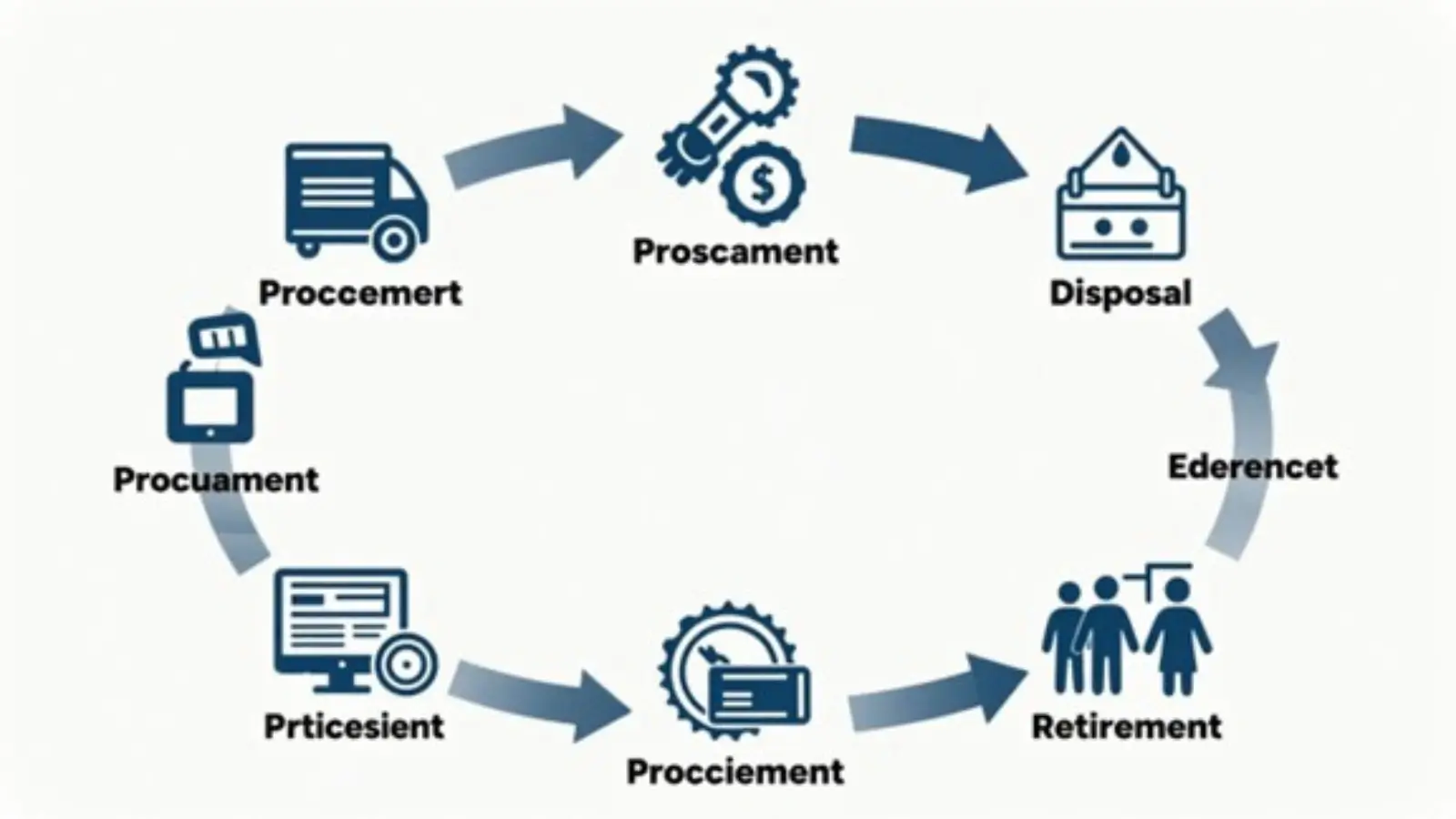
So, managing assets from start to finish, from when you first think about buying something to when you get rid of it, is a pretty big deal for any company. Using a system that can handle the whole journey, like xAssets, helps you keep tabs on everything. You can see how you buy things, if they're working well, how suppliers are doing, and if your buying strategies are actually saving money. It makes things like requesting items, getting approvals, receiving goods, and dealing with maintenance much smoother. Plus, it helps you spot when things are getting old or not performing, so you can plan to replace them. It’s all about making sure your assets are working for you, not against you, and keeping things running efficiently.