Designing a successful website isn’t just about creating something that looks good—it’s about building something that works for your users. To achieve this, web designers and businesses use a strategy known as personas.
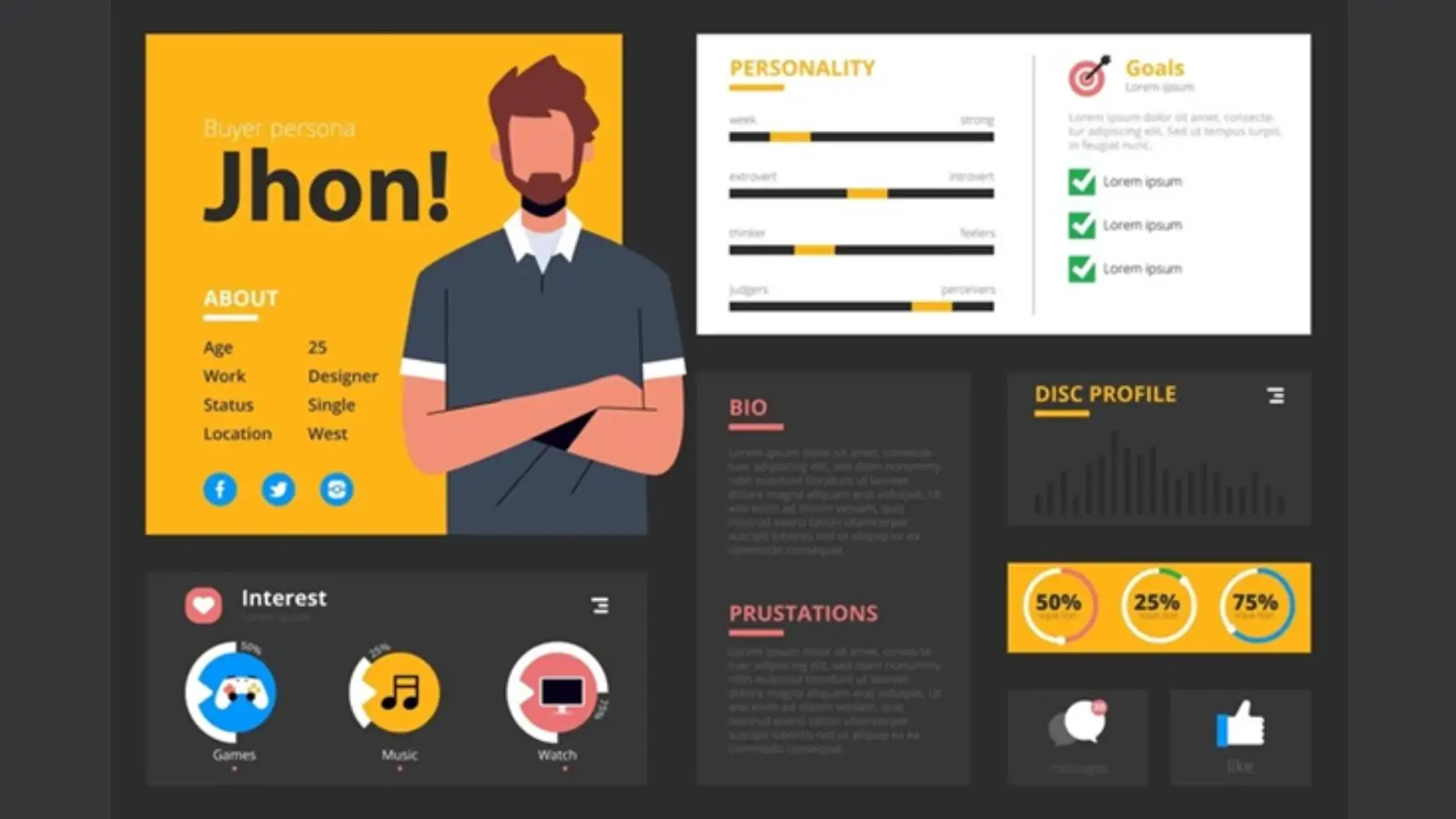
A website persona is a fictional representation of your ideal customer or user. These personas are created based on real data, research, and user behavior, helping designers understand the needs, motivations, and pain points of different user types.
Today, more companies are realizing the value of building websites around user needs. According to recent trends in web design news, user-centered design has become the standard. Using personas is a key part of this approach, making websites more functional, user-friendly, and results-driven.
What Is a Website Persona?
A website persona represents a segment of your audience. It includes key details like age, job role, interests, goals, and challenges. The idea is to humanize data so designers and marketers can focus on real needs—not just numbers.
For example, if you're building a website for an online education platform, you might create a persona named “Student Sarah,” a 21-year-old college student looking for flexible online courses. Another persona might be “Professional Paul,” a 40-year-old full-time worker searching for part-time study options to upgrade his skills.
By keeping these personas in mind, you can tailor the design, content, and functionality of your site to better serve each group.
How OWDT Uses Personas in Website Design
One standout example of applying persona-driven design is seen in the work of OWDT. Known for their strategic and creative approach to web development, OWDT emphasizes research and data when creating user experiences.
Their process begins with a deep understanding of the client’s audience. They gather insights through interviews, analytics, and user behavior studies to build detailed user personas. Each persona helps guide design decisions—from layout and features to content and tone.
For instance, if a persona values simplicity and quick navigation, OWDT may prioritize a minimalistic homepage with direct calls-to-action. If the target audience prefers in-depth content, they may focus on building a knowledge base or resources section.
This method ensures that every aspect of the website is aligned with user expectations, resulting in better engagement and performance.
Why Personas Matter in Website Design
Using a user persona in design allows you to create a site that actually meets user needs, instead of relying on assumptions. Here's why that matters:
1. Better User Experience (UX)
When you design with specific users in mind, the experience becomes smoother and more intuitive. Visitors can find what they’re looking for faster, which keeps them on your site longer.
2. Focused Design Decisions
Without personas, design choices can feel scattered or subjective. With personas, decisions are based on user behavior and preferences—making your design more strategic.
3. Targeted Content and Messaging
Personas help you speak the user’s language. Whether your audience prefers formal business language or casual conversation, personas guide your tone and content style.
4. Higher Conversion Rates
Websites designed for real user needs often lead to better outcomes—like more sign-ups, sales, or inquiries. When users feel understood, they’re more likely to trust and engage with your brand.
Steps to Create a Website Persona
Creating effective personas doesn’t have to be complicated. Follow these simple steps:
1. Collect Data
Use tools like customer surveys, interviews, and website analytics to understand your audience.
2. Identify Patterns
Look for common traits, needs, and behaviors among your users.
3. Build the Persona
Give each persona a name, photo, job title, and key details like goals and challenges.
4. Apply the Persona to Design
Use your personas when making decisions about layout, content, features, and navigation.
5. Update Regularly
Keep your personas up to date as your business grows or your audience changes.
Conclusion
Creating a beautiful website is great—but creating a website that works for your users is even better. That’s why using website personas is a smart and necessary approach in modern web design.
By understanding your audience through user persona in design, you can build a site that is functional, engaging, and aligned with real user goals. It improves everything from user experience to conversion rates.
Keep an eye on web design news to stay informed on evolving trends, and take inspiration from forward-thinking agencies like OWDT, who prove that great design always starts with understanding the people behind the screens.
Business Outstanders brings you sharp insights on tech, business, entrepreneurship, law, crypto, and more. We uncover what’s next. Stay updated, sign up for our newsletter and be part of the future!