Modern consumers expect brands to truly understand their unique preferences, anticipate what they need before they ask for it, and deliver interactions that feel tailored specifically to them at every single touchpoint. What was once considered a luxury feature has transformed into a fundamental expectation that directly shapes customer satisfaction, loyalty, and ultimately, business success.
Here Are Some Ways to Create More Personalized Experiences for Customers:
Understanding Customer Data Collection and Management
A foundation of any successful personalization strategy starts with comprehensive data collection paired with intelligent management practices. Your business might gather information from multiple touchpoints. Website visits, purchase history, online interactions, customer service inquiries, and email engagement patterns all paint a picture of who your customers really are. This data reveals valuable insights into customer preferences, behaviors, and pain points. Responsible data collection involves maintaining transparency about the information being gathered and its intended use in enhancing customer experiences. Organizations might prioritize building trust through clear communication about their data practices while demonstrating the tangible benefits customers receive in exchange for sharing their information.
Segmenting Your Audience for Targeted Messaging
Once solid data collection practices are established, segmentation naturally becomes the next critical step in creating experiences that feel personal. Dividing the customer base into distinct groups based on shared characteristics, behaviors, or preferences enables the crafting of targeted messages that actually resonate with specific audiences rather than falling flat. Demographic segmentation examines factors like age, location, and occupation, while behavioral segmentation focuses on purchase patterns, product usage, and brand engagement levels. Psychographic segmentation delves even deeper into customer values, interests, and lifestyle choices that influence their buying decisions. The art of effective segmentation lies in finding meaningful patterns that truly differentiate customer groups while maintaining enough similarity within each segment to make personalization efforts worthwhile and impactful.
Leveraging Technology for Real-Time Personalization
Modern technology platforms have made it possible for businesses to deliver personalized experiences at scale through automation and intelligent systems that work behind the scenes. Customer relationship management systems pull together data from various sources to create comprehensive customer profiles that inform every single interaction someone has with your brand. Marketing automation tools can trigger personalized communications based on specific customer actions or important milestones in their journey with your brand. Different technological capabilities enable businesses to maintain consistency across all touchpoints while delivering timely, relevant experiences that feel natural and valuable to each customer.
Personalizing Communication Channels and Messaging
The art of personalization extends beyond just knowing customer preferences. It involves delivering the right message through the right channel at the right time. Each communication channel presents unique opportunities for personalization. The key lies in understanding how different customer segments prefer to interact with your brand and tailoring both the message content and delivery method accordingly. This comprehensive approach to channel personalization creates a seamless experience that makes customers feel understood and valued across every interaction they have with your brand.
The channels through which businesses communicate with customers serve as vital touchpoints that determine the success of personalization initiatives. Each customer gravitates toward specific communication methods that align with their lifestyle and preferences. While some individuals appreciate the convenience of email communications, others value the immediacy of text messages. Speaking of text messages, some businesses may seek 10DLC solutions. What is 10DLC? 10DLC stands for 10-Digit Long Code. It is a messaging system that allows businesses to send text messages using standard 10-digit phone numbers rather than short codes.
Creating Personalized Product Recommendations and Offers
Product recommendations stand at the forefront of personalization strategies in modern customer experiences. By analyzing patterns in purchase history, browsing behavior, and stated preferences, businesses can present products that align with individual interests rather than promoting generic items to their entire customer base. The identification of patterns among customers with similar preferences helps uncover products that will likely appeal to others who share comparable characteristics and behaviors. Context-aware recommendations elevate the shopping experience by incorporating relevant factors such as seasonal changes, geographical location, and significant life events. These recommendations feel more meaningful and timely because they connect directly with the current circumstances in a customer's life, creating a more engaging and relevant shopping experience.
Measuring and Optimizing Personalization Efforts
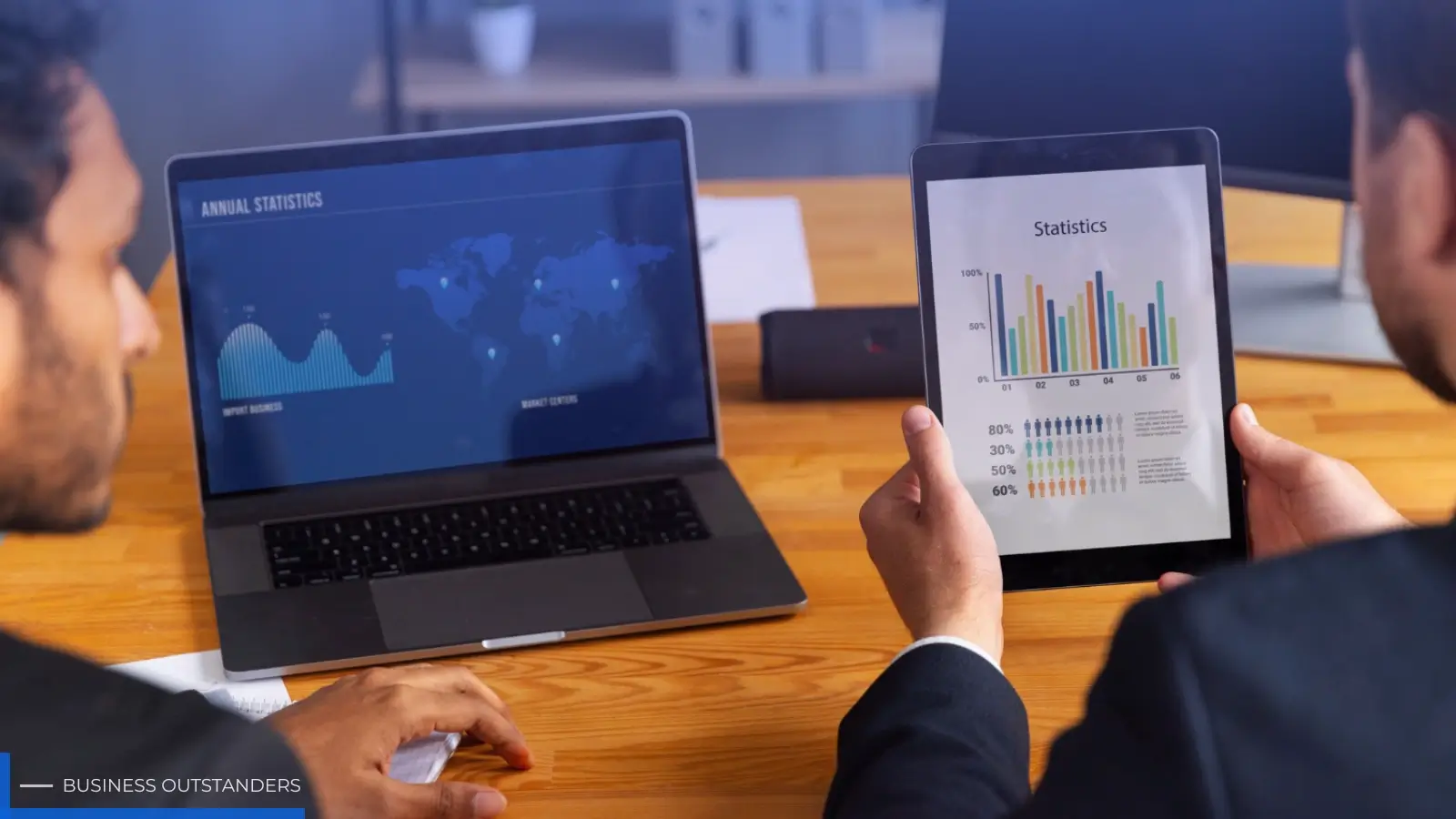
The success of personalization strategies relies on continuous evaluation and refinement to ensure they deliver meaningful results and evolve with changing customer needs. Tracking engagement metrics, conversion improvements, satisfaction indicators, and retention patterns provides insights into the effectiveness of personalized versus standard experiences. Through careful testing of different personalization approaches, businesses uncover which strategies resonate most strongly with their audience and identify areas that need adjustment or improvement. Customer feedback serves as an invaluable complement to quantitative measurements, offering direct insights into how personalization efforts impact the overall experience from the customer's perspective. This combination of data-driven analysis and customer input creates a comprehensive understanding of personalization effectiveness and guides ongoing improvements to the customer experience.
Conclusion
Creating personalized customer experiences emerges from a thoughtful blend of data intelligence, technological capabilities, and deep understanding of customer motivations and behaviors. A foundation lies in the responsible collection and management of customer information, paired with sophisticated audience segmentation that recognizes the unique characteristics of different customer groups.
Business Outstanders brings you sharp insights on tech, business, entrepreneurship, law, crypto, and more. We uncover what’s next. Stay updated, sign up for our newsletter and be part of the future!