Elon Musk Makes History: First Individual Valued at $500 Billion
— Elon Musk’s rise to a $500 billion net worth is a testament to the outsized risks and rewards of modern technological capitalism.
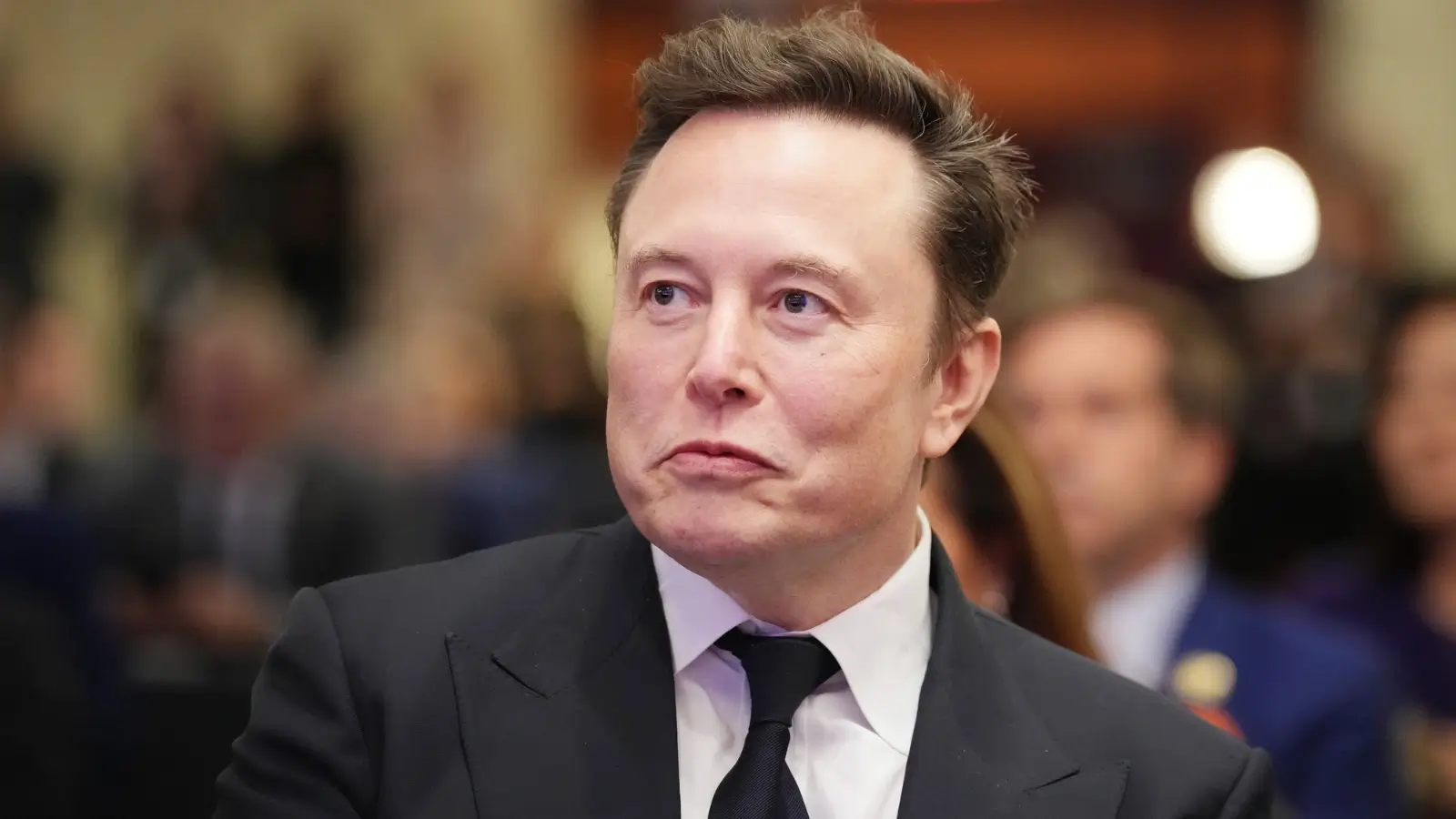
In a landmark development, Elon Musk has reportedly become the first person ever to reach a net worth of $500 billion, according to Forbes’ Real-Time Billionaires index on October 1, 2025. This milestone underscores the extraordinary scale of his holdings and influence across multiple high-growth sectors, from electric vehicles to space and artificial intelligence.
How He Got There
Musk’s ascent to the $500 billion mark is largely tied to renewed investor optimism and strong performance in his core holdings:
-
Tesla’s stock rally played a pivotal role. Musk holds about 12.4% of Tesla, and gains in the stock during the day added more than $6 billion to his personal wealth.
-
He made a $1 billion purchase of Tesla shares in the same timeframe, signaling his confidence in the company’s future trajectory.
-
Beyond Tesla, valuations of Musk’s other ventures—particularly xAI and SpaceX—also contributed. For instance, xAI was valued at around $75 billion in July 2025, and SpaceX is reportedly eyeing a valuation as high as $400 billion.
These combined surges pushed him past this hitherto unimaginable barrier in wealth accumulation.
The Bigger Picture & Risks
While the $500 billion figure is stunning, it comes with important caveats:
-
Much of Musk’s wealth is tied up in illiquid assets—equity stakes in private companies or stock holdings that can’t be instantly converted to cash without impacting markets.
-
Valuations, especially for private firms like SpaceX and xAI, can be volatile and depend heavily on investor sentiment, future fundraising rounds, and growth expectations.
-
Tesla itself faces pressures in automotive margins, cooling sales in some regions, and competitive headwinds—factors that could quickly erode gains.
Still, this threshold sets a new benchmark and may feed into broader debates about wealth, influence, and regulation of technology and industrial powerhouses.
What It Means Going Forward
Musk’s $500 billion valuation is not simply symbolic—it amplifies his leverage and spotlight. Some key takeaways:
-
It sharpens focus on how wealth concentration is evolving in the age of tech, where scaling networks, software, and frontier science can create exponential returns.
-
It may intensify scrutiny—political, regulatory, and public—on how such wealth is generated, governed, and taxed.
-
It raises the bar for what it means to be a “mega-billionaire.” The next thresholds—$1 trillion or more—may no longer seem impossible.
In summary, Elon Musk’s rise to a $500 billion net worth is a testament to the outsized risks and rewards of modern technological capitalism. But as with all such valuations, it is as fragile as the markets and the assumptions that support it.