As businesses scale in Danbury & beyond, leaders are forced to make smarter decisions about where their time and resources are best spent. Tasks that once felt manageable in-house often become distractions as operations grow.
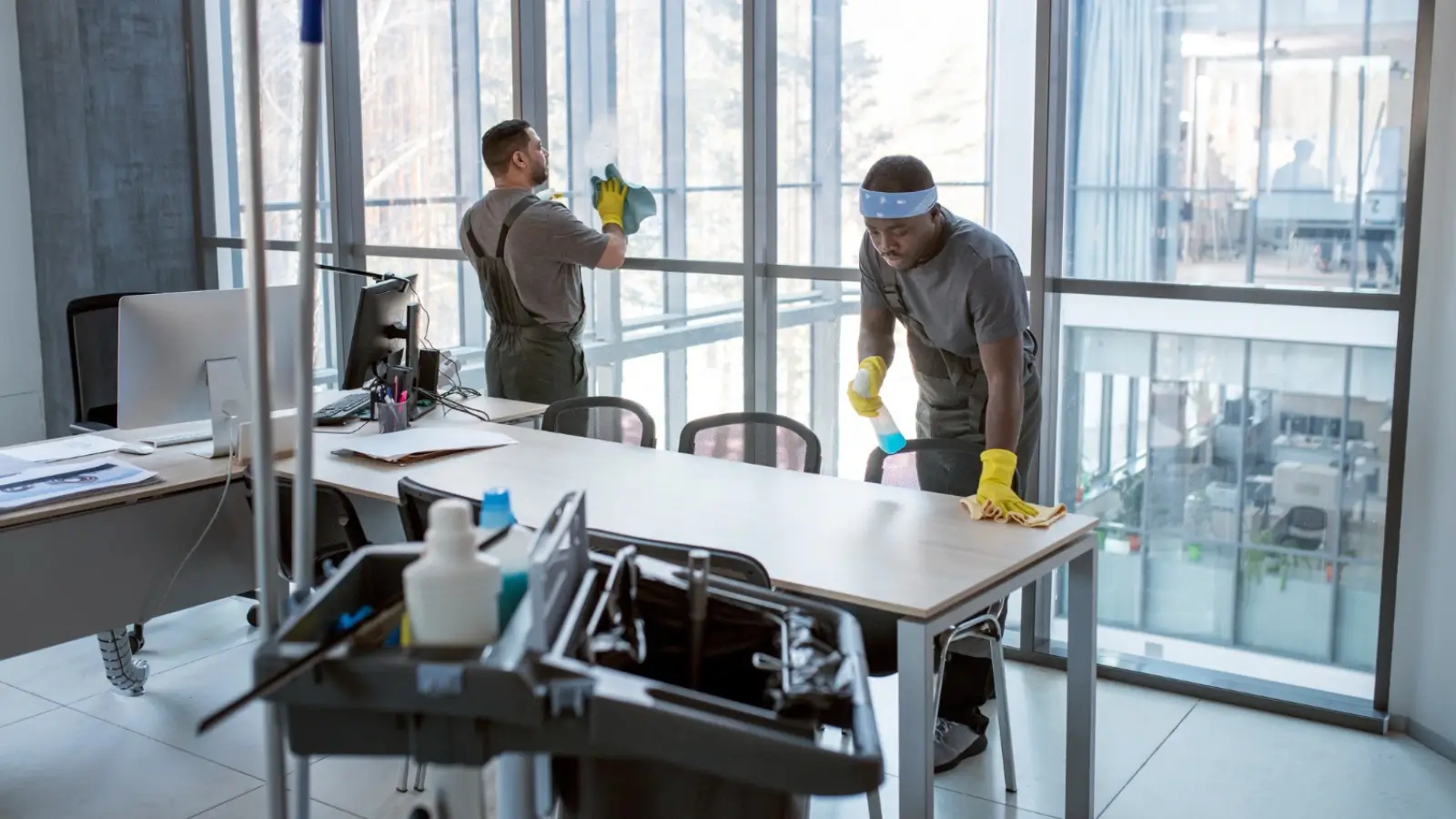
Commercial cleaning is one such area that many business owners choose to outsource, assuming it’s a simple operational handoff. In reality, outsourcing cleaning services carries more strategic weight than it appears. A clean workplace directly affects employee health, productivity, compliance, and brand perception. Poor cleaning standards can quietly increase absenteeism, damage morale, and expose businesses to avoidable risks.
Yet many owners approach outsourcing with limited clarity, focusing primarily on cost rather than reliability or operational fit. Nonetheless, understanding what to evaluate before outsourcing cleaning services helps business owners avoid common pitfalls and select partners who truly support long-term business stability.
So, in this article, let’s discuss what business owners should know about outsourcing cleaning services!
1. Commercial Cleaning Is a Business Risk Decision, Not a Cosmetic One
Many business owners view cleaning as a visual concern—floors, restrooms, and common areas that “look fine” on the surface. However, workplace cleanliness has deeper implications tied to:
- Health standards,
- Safety, and
- Operational continuity.
Inadequate or inconsistent cleaning can contribute to the spread of illness, workplace complaints, and compliance issues, particularly in offices, retail spaces, medical facilities, and shared commercial environments.
Outsourcing cleaning without recognizing its role in risk management often leads to reactive decision-making. Problems surface only after employees raise concerns or standards slip noticeably. Business owners who understand cleaning as part of operational risk management are more likely to demand accountability, consistency, and documented standards from service providers.
This mindset shift is critical. Cleanliness is not just about appearance—it’s about maintaining an environment where employees can perform reliably and where business operations remain uninterrupted.
2. Clear Expectations Matter More Than Service Packages
One of the most common reasons outsourcing fails is the lack of clearly defined expectations. Many cleaning companies offer standard service packages, but businesses rarely operate under standard conditions. Factors such as foot traffic, operating hours, industry regulations, and workspace layout all influence what “effective cleaning” actually means.
When expectations aren’t clearly established, business owners may assume tasks are being handled when they are not. Over time, this leads to:
- Dissatisfaction,
- Repeated follow-ups, and
- Strained vendor relationships.
By contrast, successful outsourcing begins internally—by defining scope, frequency, and quality benchmarks before evaluating providers.
Simply put, before reaching out to any Danbury commercial cleaning provider, business owners should be clear about whether they need routine maintenance or a cleaning partner that understands commercial operations. It is because service quality depends on how well a provider can align with business hours, compliance requirements, and day-to-day operational realities.
One such example of established service providers is ABS & CBS. Their focus on commercial environments helps businesses avoid the common mismatch between advertised services and real operational needs.
3. Reliability and Accountability Outweigh Short-Term Cost Savings
Cost comparisons often dominate outsourcing decisions, but price alone rarely reflects service quality. Lower-cost providers may rely on minimal supervision, high staff turnover, or inconsistent scheduling—all of which create operational disruptions that outweigh initial savings.
Reliable cleaning partners invest in training, supervision, and quality control systems that ensure consistent results. This reliability reduces the need for management intervention and prevents recurring issues that distract leadership from core responsibilities.
Business owners should evaluate how providers maintain accountability over time. Are services documented? Is there a clear point of contact? How are issues addressed when standards aren’t met? These factors determine whether outsourcing simplifies operations or adds another layer of oversight.
4. Communication and Flexibility Define Long-Term Success
Outsourcing relationships succeed or fail based on communication. Business owners should know who manages the account, how feedback is shared, and how changes in business needs are handled. Poor communication allows small issues to compound into recurring problems.
Equally important is flexibility. Businesses evolve—headcounts change, schedules shift, and seasonal demands fluctuate. A cleaning provider that understands business realities can adjust services without disruption, demonstrating true operational partnership rather than rigid service delivery.
When communication is clear and flexibility is built into the relationship, outsourcing cleaning supports business growth instead of hindering it.
To Sum It All Up!
Outsourcing commercial cleaning is not a minor facilities decision—it’s a strategic business choice. The right partner supports workplace health, reduces operational risk, and allows leadership to focus on growth rather than daily maintenance concerns.
By prioritizing clarity, reliability, accountability, and communication, business owners can ensure that outsourcing cleaning services strengthens operations instead of complicating them. Ultimately, clean workplaces don’t just look professional—they help businesses function at their best.