When it comes to skin cancer, early diagnosis and proper care are vital—especially with melanoma, the most aggressive form. For residents seeking melanoma treatment Brisbane clinics provide a wide array of advanced options that cater to different stages of the disease, from early detection to surgical procedures and ongoing therapies.
Understanding Melanoma
Melanoma is a type of skin cancer that originates in melanocytes—the cells responsible for skin pigmentation. It can develop on any part of the body but is commonly found on areas exposed to the sun, such as the face, back, arms, and legs. Unlike other skin cancers, melanoma is more likely to spread to other organs if not treated promptly.
Risk factors include excessive sun exposure, a history of sunburns, fair skin, family history of melanoma, and the presence of unusual or numerous moles. Because of its severity, early intervention is crucial.
Symptoms to Watch For
Early signs of melanoma can sometimes be mistaken for harmless moles. It’s essential to perform regular skin checks and follow the ABCDE rule:
-
Asymmetry – One half doesn’t match the other
-
Border – Irregular, scalloped, or poorly defined edges
-
Colour – Multiple colours or uneven shades
-
Diameter – Greater than 6mm
-
Evolving – Changes in size, shape, or colour
If any of these signs are noticed, it’s important to consult a skin cancer specialist immediately.
Diagnosis and Staging
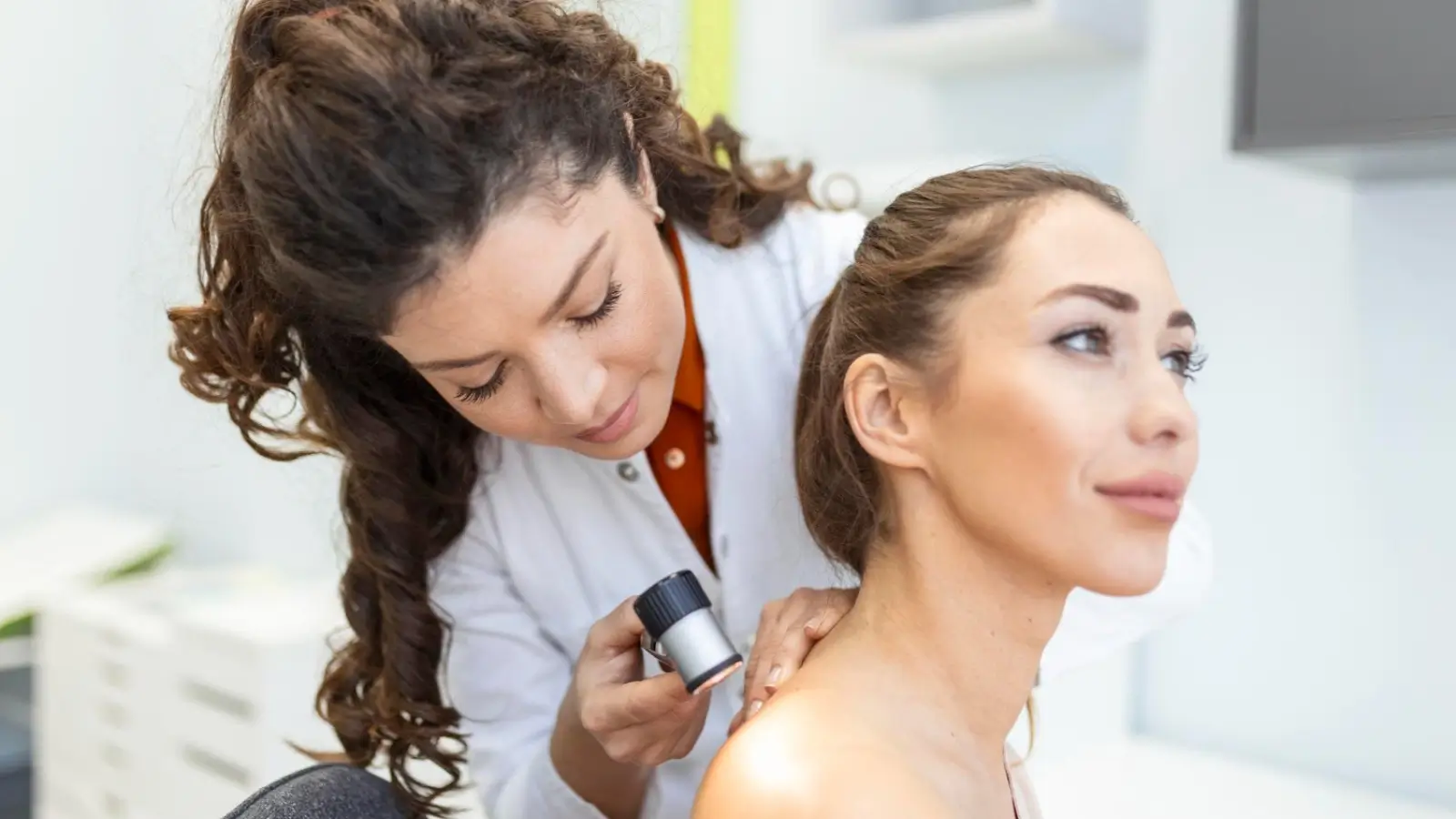
Diagnosis typically begins with a physical examination, followed by a biopsy if anything suspicious is found. Once confirmed, further testing such as imaging scans or lymph node biopsies may be done to determine the stage of the cancer.
Melanoma is staged from 0 to IV, with Stage 0 indicating cancer limited to the outer layer of skin and Stage IV representing cancer that has spread to other parts of the body.
Melanoma Treatment Options in Brisbane
Brisbane healthcare providers offer world-class facilities and experienced dermatologists, oncologists, and surgeons who specialise in skin cancer management. Some of the main treatment options include:
1. Surgical Excision
The most common and effective treatment for early-stage melanoma is surgical excision. The cancerous tissue is removed along with a margin of healthy skin to ensure all malignant cells are cleared. Brisbane clinics often perform this as an outpatient procedure.
2. Sentinel Lymph Node Biopsy
If melanoma is of a certain thickness, doctors may recommend checking nearby lymph nodes for cancer spread. This procedure helps determine whether additional treatment, like chemotherapy or immunotherapy, is necessary.
3. Immunotherapy
For advanced melanoma or when surgery isn’t enough, immunotherapy is becoming a frontline treatment. This approach uses the body’s immune system to attack cancer cells. Brisbane oncology centres use immunotherapy drugs such as pembrolizumab or nivolumab, which have shown promising results in shrinking tumours and preventing recurrence.
4. Targeted Therapy
Some melanomas carry specific genetic mutations like BRAF. Targeted therapies are tailored medications that attack these mutations directly, leading to effective management of the disease with fewer side effects than traditional chemotherapy.
5. Radiation Therapy
Although not typically the first-line treatment for melanoma, radiation may be recommended after surgery to kill remaining cancer cells or in cases where surgery isn’t possible.
6. Clinical Trials
Brisbane is home to several research institutions and cancer centres that run clinical trials for innovative melanoma treatments. Participating in a trial can give patients access to cutting-edge therapies that are not yet widely available.
Aftercare and Monitoring
Following treatment, regular check-ups are essential to monitor for recurrence. Many patients are advised to continue with dermatological exams every 3 to 6 months for the first few years, depending on the stage of melanoma.
Preventive strategies are also crucial. Wearing sunscreen, avoiding tanning beds, wearing protective clothing, and staying out of direct sun during peak hours can all help reduce the risk of recurrence or new melanomas.
Supporting Patients Through Recovery
Managing melanoma doesn’t stop at physical treatments. Emotional support, counselling, and community groups can significantly impact the mental health and overall well-being of patients and their families. Brisbane offers several support networks for those navigating life after a melanoma diagnosis.
Conclusion
Melanoma can be life-threatening, but with timely diagnosis and access to quality care, recovery is possible. Brisbane’s advanced medical infrastructure, specialist care providers, and treatment variety make it a stronghold in the fight against melanoma. Whether you’ve been diagnosed or are seeking preventive guidance, knowing your options ensures you or your loved ones are equipped with the best chances for successful treatment and recovery.