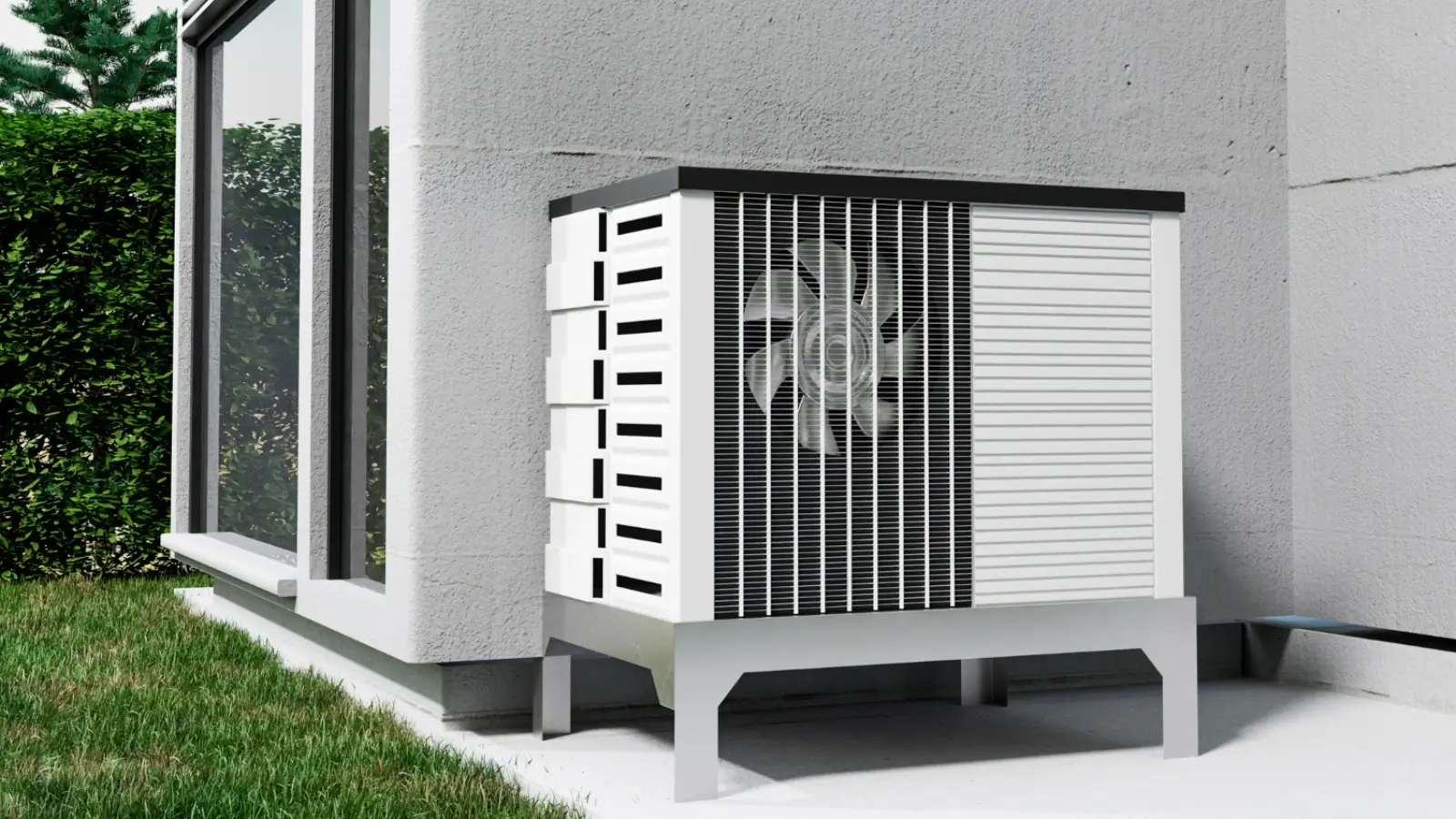
In the modern era of energy efficiency and sustainable living, homeowners are increasingly exploring innovative solutions for home heating and cooling. Among the most popular and effective technologies today is the electric heat pump, which provides both heating and cooling with impressive efficiency and reliability. Unlike traditional heating systems that rely solely on combustion or resistive electricity, electric heat pumps leverage advanced thermodynamic principles to transfer heat, making them a highly energy-efficient choice for residential environments. This guide delves deeply into how electric heat pumps work, their benefits, installation considerations, maintenance requirements, and long-term advantages, providing a comprehensive resource for anyone considering this upgrade.
How Electric Heat Pumps Work
An electric heat pump operates on a principle that is deceptively simple yet highly effective. Essentially, it transfers heat from one location to another, rather than generating heat through combustion or electrical resistance. During colder months, the system extracts heat from the outdoor air, ground, or water and transfers it indoors to warm the living space. Conversely, during warmer months, the process is reversed, and the pump removes heat from the interior and releases it outside, effectively cooling the home.
The core components of an electric heat pump include a compressor, evaporator coil, condenser coil, and a refrigerant loop that facilitates the transfer of thermal energy. The compressor increases the pressure of the refrigerant, allowing it to absorb and release heat efficiently. The evaporator coil captures heat from the source, and the condenser coil releases it into the home or outdoors depending on the mode of operation. This ability to both heat and cool a home using a single system is a major advantage over traditional furnaces or air conditioners, reducing equipment costs and simplifying maintenance.
Benefits of Choosing an Electric Heat Pump
The widespread adoption of electric heat pumps can be attributed to a combination of efficiency, cost savings, and environmental considerations.
- Energy Efficiency: Electric heat pumps can achieve remarkable efficiency levels, often providing up to three times more energy in heating than the electricity they consume. This is due to the system’s heat transfer approach, which uses significantly less energy than conventional heating methods. For homeowners, this translates directly into lower utility bills without sacrificing comfort.
- Dual Functionality: Unlike systems that require separate heating and cooling units, electric heat pumps handle both functions within a single installation. This not only reduces the initial equipment investment but also saves space and simplifies maintenance schedules. Homeowners can enjoy year-round climate control without the hassle of managing multiple systems.
- Environmentally Friendly: Since electric heat pumps do not rely on fossil fuels, they produce fewer greenhouse gas emissions than traditional heating systems. By utilizing renewable sources such as ambient air or geothermal energy, they contribute to a more sustainable home environment. This characteristic is particularly appealing to those seeking to reduce their carbon footprint and support global efforts toward environmental sustainability.
- Durability and Longevity: Modern electric heat pumps are engineered for long-term performance. With proper installation and routine maintenance, these systems can operate efficiently for 15 to 20 years or longer. Many units are also designed to handle varying climate conditions, ensuring reliable operation in both extreme cold and hot temperatures.
Key Considerations Before Installation
Although electric heat pumps offer numerous advantages, proper planning is essential to ensure optimal performance and long-term reliability. Several factors must be taken into account before proceeding with installation.
- Home Size and Layout: The square footage and design of a home directly impact the type and capacity of the system required. Undersized units may struggle to maintain comfortable temperatures, while oversized units can cycle on and off frequently, reducing efficiency and increasing wear. A professional assessment can determine the ideal system size and configuration.
- Insulation and Air Sealing: Even the most advanced electric heat pump cannot perform efficiently in a poorly insulated home. Ensuring that walls, attics, and floors are properly insulated, and that doors and windows are sealed against drafts, maximizes energy savings and comfort.
- Climate Considerations: While modern electric heat pumps are designed to operate in a wide range of temperatures, extreme climates may necessitate specialized units or supplemental heating solutions. Cold-climate models are equipped with enhanced compressors and refrigerants to maintain performance even in freezing conditions.
- Existing HVAC Infrastructure: Homes upgrading from traditional systems may require modifications to ductwork, electrical systems, or ventilation. Ensuring compatibility is critical to avoiding inefficiencies or installation delays.
The Importance of Professional Installation
The installation process is crucial to the long-term efficiency and performance of an electric heat pump. Professional technicians assess the home’s heating and cooling requirements, recommend the appropriate system, and ensure precise installation of all components. Proper placement, refrigerant charge, and electrical connections are essential for maximizing the system’s efficiency and lifespan.
Incorrect installation can lead to a range of issues, including reduced efficiency, uneven heating and cooling, higher energy consumption, and potential system failure. Certified professionals with experience in advanced HVAC systems are best equipped to handle these challenges, ensuring that the electric heat pump delivers the expected benefits for years to come.
Maintenance Tips for Optimal Performance
Routine maintenance is key to keeping an electric heat pump operating efficiently. Homeowners can follow several best practices to prolong system life and maintain energy savings:
-
Regular Filter Replacement: Clean or replace filters as recommended by the manufacturer to maintain proper airflow and prevent dust buildup.
-
Annual Professional Tune-Ups: A licensed technician should inspect refrigerant levels, coils, electrical connections, and other critical components each year.
-
Outdoor Unit Care: Ensure that outdoor units remain free of debris, snow, or ice to allow for unobstructed airflow.
-
Monitor Performance: Pay attention to unusual noises, inconsistent temperatures, or increased energy bills, as these may indicate issues requiring professional attention.
-
Smart Thermostat Integration: Using programmable or smart thermostats helps optimize energy use without sacrificing comfort.
Adhering to these maintenance practices ensures that the electric heat pump continues to operate efficiently and reliably over the long term.
Long-Term Benefits of Electric Heat Pump Adoption
Investing in an electric heat pump provides benefits beyond immediate energy savings. The system contributes to increased property value, improved indoor air quality, and a reduced environmental impact. Homes with energy-efficient systems are often more attractive to buyers and may qualify for incentives, rebates, or tax benefits in certain regions.
The versatility of electric heat pumps also allows seamless integration with smart home technology, enabling precise control over heating and cooling schedules. Homeowners can optimize energy usage, reduce waste, and create a consistently comfortable indoor environment.
Moreover, as energy prices fluctuate, homeowners with electric heat pumps are less vulnerable to volatile fuel costs. The system’s reliance on electricity, combined with its high efficiency, provides more predictable and manageable energy expenses over time.
Conclusion
Electric heat pumps represent a major advancement in home climate control technology. By transferring heat instead of generating it, these systems offer remarkable efficiency, cost savings, and environmental benefits. Their dual functionality, durability, and adaptability make them an ideal choice for homeowners seeking a comprehensive solution for year-round comfort.
From careful planning and professional installation to regular maintenance and long-term use, every aspect of the system contributes to its performance and reliability. By investing in an electric heat pump, homeowners can achieve a more sustainable, comfortable, and cost-effective living environment that meets the demands of modern living while supporting global efforts toward energy efficiency and environmental responsibility.
With proper care and consideration, an electric heat pump can serve as the centerpiece of a highly efficient home HVAC system, delivering consistent comfort and measurable savings for decades.