In today’s fast-moving digital world, organizations are placing greater emphasis on security, accuracy, and operational efficiency. Traditional access cards, passwords, and manual attendance registers are increasingly vulnerable to misuse, duplication, and human error. As a result, biometric technology has become the preferred solution for both access control and attendance management across offices, factories, educational institutions, hospitals, and government facilities.
Biometric systems use unique biological characteristics—such as fingerprints, facial features, iris patterns, or palm veins—to identify individuals with high accuracy. Because these traits are difficult to replicate or share, biometric solutions provide a secure and reliable alternative to conventional systems.
Understanding Biometric Technology
Biometric technology works by capturing a person’s unique physical or behavioral characteristics and converting them into a digital template. This template is securely stored and later matched during verification.
Common biometric identifiers include:
-
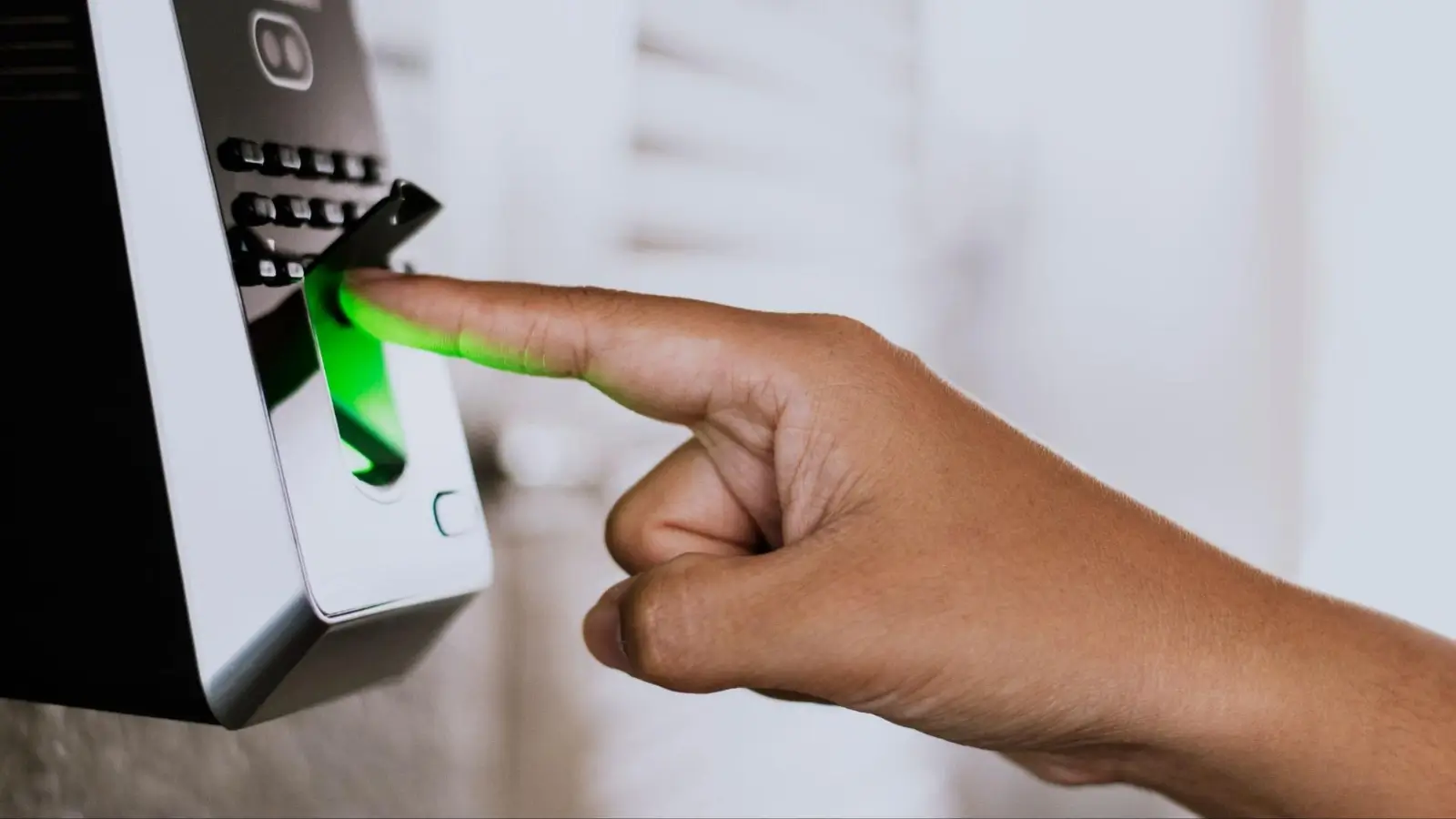
Fingerprint recognition
-
Facial recognition
-
Iris and retina scanning
-
Palm vein recognition
-
Voice recognition
Among these, fingerprint and facial recognition are the most widely adopted due to their balance of accuracy, speed, and cost-effectiveness.
Why Biometrics Are Ideal for Access Control
Access control systems regulate who can enter specific areas within a building or facility. Using keys or access cards poses several risks, such as loss, theft, duplication, or unauthorized sharing. Biometric solutions eliminate these issues by ensuring that access is granted only to the authorized individual.
A Biometric Access Control System enhances security by:
-
Preventing unauthorized entry
-
Eliminating card or password sharing
-
Creating detailed access logs
-
Allowing customizable access levels
Organizations can assign permissions based on roles, departments, or time schedules, ensuring that sensitive areas remain protected at all times.
Key Advantages of Biometric Access Control Systems
1. High Security
Biometric identifiers are unique to each person, making them extremely difficult to forge or misuse.
2. Convenience
Users do not need to carry cards or remember passwords. A simple fingerprint or facial scan is enough.
3. Accurate Monitoring
Every access attempt is logged, creating a reliable audit trail for security reviews and compliance.
4. Scalability
Biometric systems can easily scale from small offices to large enterprises with multiple locations.
With the availability of advanced Biometric Devices for access control, organizations can choose solutions that best match their security needs and operational size.
Biometrics in Attendance Management
Attendance tracking is another area where biometric technology has transformed traditional practices. Manual registers and punch cards are time-consuming, inaccurate, and prone to manipulation. Biometric attendance systems solve these issues by linking attendance directly to an individual’s biometric identity.
Biometric Attendance Machines ensure:
-
Accurate time-in and time-out recording
-
Elimination of buddy punching
-
Automated attendance reports
-
Seamless payroll and HR integration
This level of accuracy improves workforce discipline and reduces administrative workload.
How Biometric Attendance Improves Organizational Efficiency
1. Eliminates Time Theft
Employees cannot mark attendance on behalf of others, ensuring fair tracking.
2. Saves Administrative Time
Automated data collection reduces manual record-keeping and errors.
3. Improves Workforce Accountability
Clear attendance records encourage punctuality and discipline.
4. Supports Compliance
Detailed attendance logs help organizations comply with labor laws and internal policies.
Industries Benefiting from Biometric Access and Attendance
1. Corporate Offices
Biometric systems protect office premises while accurately tracking employee working hours.
2. Manufacturing and Industrial Facilities
Restricted access to sensitive production areas ensures safety and operational control.
3. Educational Institutions
Schools and universities use biometrics to manage student attendance and campus access.
4. Healthcare Facilities
Hospitals rely on biometrics to secure restricted zones and monitor staff attendance.
5. Government and Public Sector
Biometric systems support secure access and transparent workforce management.
Integration with Modern Systems
Modern biometric solutions are designed to integrate seamlessly with:
-
HR and payroll software
-
Visitor management systems
-
CCTV and surveillance platforms
-
Cloud-based databases
This integration allows real-time data synchronization and centralized management across multiple locations.
Advanced Biometric Devices for access control now support mobile applications, cloud connectivity, and AI-powered facial recognition, making them more efficient than ever.
Privacy and Data Security Considerations
With increased use of biometric data, privacy and data protection have become critical concerns. Reputable biometric systems use:
-
Encrypted data storage
-
Secure templates instead of raw images
-
Compliance with local data protection regulations
Organizations must ensure transparency with employees and users by clearly defining how biometric data is collected, stored, and used.
Choosing the Right Biometric Solution
When selecting a biometric system for access control and attendance, organizations should consider:
-
Size of the organization
-
Type of biometric technology required
-
Integration capabilities
-
Data security features
-
Vendor reliability and support
A well-implemented Biometric Access Control System combined with reliable Biometric Attendance Machines can significantly improve security, efficiency, and transparency.
The Future of Biometric Technology
Biometric technology continues to evolve with advancements in artificial intelligence and machine learning. Facial recognition with liveness detection, touchless biometrics, and cloud-based management platforms are shaping the future of access control and attendance systems.
As organizations prioritize smart infrastructure and digital transformation, biometrics will remain a cornerstone of secure and efficient operations.
Conclusion
Biometric technology has revolutionized the way organizations manage access control and attendance. By leveraging unique human characteristics, biometric systems provide unmatched security, accuracy, and convenience. Whether it is protecting sensitive areas or ensuring precise attendance tracking, solutions like Biometric Access Control System, advanced Biometric Devices for access control, and reliable Biometric Attendance Machines are essential tools for modern organizations.
Investing in biometric solutions is no longer a luxury—it is a strategic step toward a safer, smarter, and more efficient future.